
 11

If you look at the wrists of the people around you today, there is a very high chance you will see a smartwatch. Over the last decade, we have watched these devices evolve from simple step-counters into powerful mini-computers. They tell us when to stand up, how well we slept, and even if our heart rhythm is irregular. The smartwatch has undeniably changed how we interact with technology and our own bodies. But if you think the smartwatch is the final stop in wearable technology, you are in for a surprise.
As a tech journalist who has tested hundreds of gadgets over the years, I can tell you that the next wave of wearables is already here. And it looks very different from what we are used to. The future of wearable technology is moving away from glowing screens on our wrists. Instead, it is becoming smaller, more specialized, and almost invisible.
We are entering an era where technology blends seamlessly into our daily lives. You will not need to tap a screen or look at an app to get the information you need. The next generation of devices will gather data quietly in the background and offer help exactly when you need it. Let us dive into the three biggest innovations shaping the future of wearables: smart rings, AI smart glasses, and health-tracking patches.
For a long time, the biggest complaint about smartwatches has been their size. They can feel heavy during a workout, look out of place at a formal event, and be incredibly uncomfortable to wear to bed. Enter the smart ring. These tiny devices wrap advanced sensors around your finger, offering a comfortable and stylish alternative to wrist-based wearables.
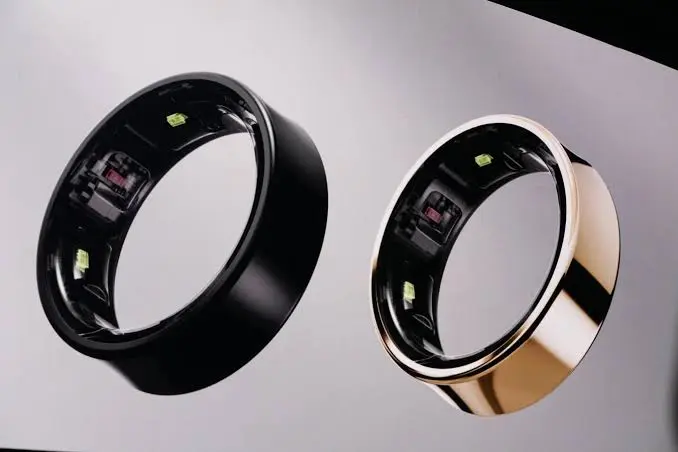
The finger is actually one of the best places on the human body to measure heart rate and blood oxygen levels. The blood vessels here are close to the surface, which allows the tiny sensors inside the ring to get a highly accurate reading. Companies like Oura have led this market for a few years, but with major players like Samsung entering the space with their Galaxy Ring, this category is about to explode.
Smart rings are designed for people who want the benefits of health tracking without the constant distraction of notifications. There is no screen to look at. You just wear it, live your life, and check the companion app on your phone when you want to see your data. It is the ultimate “set it and forget it” gadget. As the technology improves, we are seeing these rings do much more than just track sleep. They are becoming tools for making payments, unlocking smart doors, and even controlling other devices with simple finger gestures.
Do you remember the early days of smart glasses? They were heavy, looked strange, and had terrible battery life. Most people did not want to wear a computer on their face. But the industry has learned from those early mistakes. Today, the focus is on creating glasses that look exactly like normal, stylish eyewear, but with powerful Artificial Intelligence (AI) hidden inside the frames.
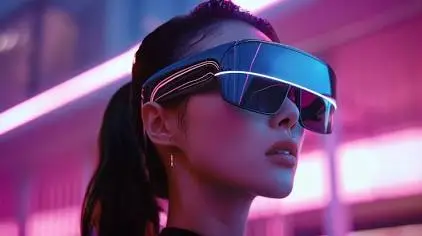
The integration of AI is what makes these new glasses so exciting. Devices like the latest Meta Ray-Bans have shown us that you do not necessarily need a digital screen projected into your eyes to make glasses “smart.” Instead, they use built-in cameras and microphones connected to advanced AI assistants. You can look at a famous landmark and simply ask out loud, “What building is this?” The AI will recognize what you are looking at and whisper the answer into your ear using tiny speakers built into the arms of the glasses.
But the future holds even more potential. Imagine traveling to a foreign country and having your glasses instantly translate street signs into your native language, projecting the translated text subtly onto the lens. Imagine cooking a meal and having the glasses highlight the next ingredient you need. AI smart glasses are designed to keep your head up and your hands free. Instead of staring down at your smartphone, the digital world will naturally layer perfectly over the physical world. This is not just a new gadget; it is a totally new way to interact with the internet.
While rings and glasses are exciting for everyday consumers, the most important revolution in wearable tech is happening in the medical and health space. We are moving from devices we wear like jewelry to devices that stick directly onto our skin: health-tracking patches, often called bio-wearables.

For years, people with diabetes have used Continuous Glucose Monitors (CGMs). These small patches feature a tiny, painless needle that sits just under the skin to monitor blood sugar levels 24/7. This technology has completely transformed diabetes care. Now, the tech industry is asking: what if we use this same patch technology to track other things for everyday people and athletes?
The future of health-tracking patches is all about moving from reactive healthcare to proactive health optimization. Soon, these flexible, water-resistant stickers will be able to analyze your sweat to tell you exactly when you are dehydrated and what electrolytes you need to drink. They will monitor your cortisol levels to warn you when you are too stressed. They could even track lactate buildup in muscles during exercise, helping athletes train perfectly without risking injury.
Because they maintain constant contact with your skin and bodily fluids, these patches provide a level of deep, medical-grade data that a smartwatch simply cannot match. They represent a future where you never have to guess what your body needs. Your personal invisible clinic will simply send a notification to your phone telling you to drink a glass of water, take a deep breath, or eat a specific snack.
As we look beyond the smartwatch, a clear theme begins to emerge: the best technology is the technology you do not notice. The goal is no longer to strap a glowing screen to every part of our bodies. Instead, the tech industry is working hard to weave smart sensors into the objects we already wear and use every day.
Whether it is a stylish ring quietly monitoring your sleep, a classic pair of glasses whispering a translation into your ear, or a tiny patch keeping your hydration perfectly balanced, the wearables of tomorrow are designed to be frictionless. They will demand less of our attention while providing far more value. The smartwatch was an amazing first step, but the true wearable revolution is just beginning. Get ready for a future where technology is always with you, always helping, but rarely seen.