

 11
11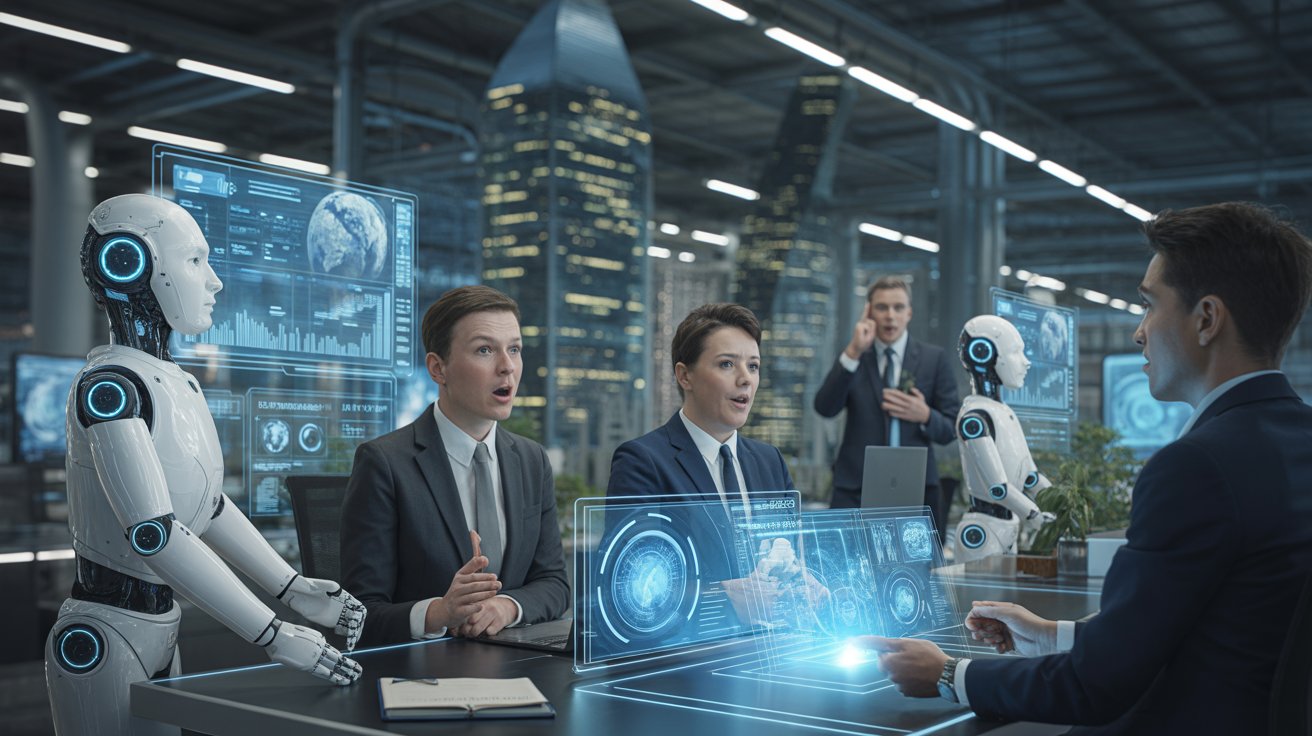
Artificial Intelligence, commonly known as AI, is no longer a futuristic idea. In 2026, it has become a powerful force that is transforming industries, workplaces, and careers across the world. From healthcare to banking, and from education to entertainment, AI is reshaping how people work every single day. While some workers fear losing jobs, others are discovering exciting new opportunities created by this technological revolution.
So, how exactly is Artificial Intelligence changing jobs in 2026? More importantly, what does this mean for workers, businesses, and students preparing for the future? Let’s explore the reality behind the AI revolution.
Over the last few years, AI tools have evolved rapidly. Today, businesses use AI for customer service, content creation, data analysis, cybersecurity, automation, and even hiring employees. As a result, companies are becoming faster, smarter, and more efficient.
For example, AI-powered chatbots now handle customer questions within seconds. Similarly, smart software can analyze thousands of documents in minutes — something that once required entire teams of workers.
Because of this shift, workplaces in 2026 look very different compared to just five years ago.
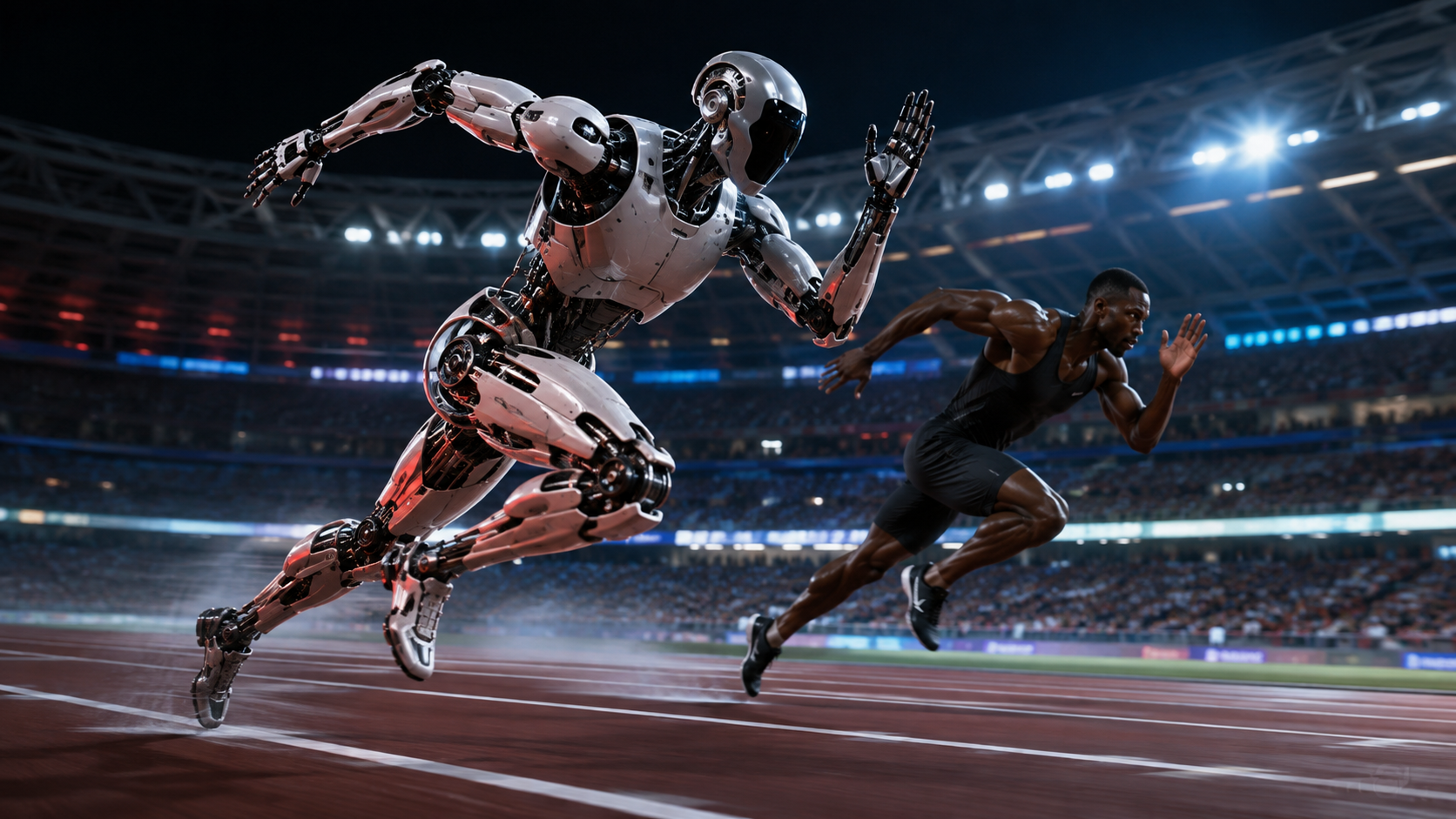
One of the biggest concerns people have is job replacement. Indeed, some traditional jobs are disappearing because machines can now perform repetitive tasks more efficiently.
For instance, many supermarkets now use self-checkout systems powered by AI. Likewise, companies are replacing manual data processing with automated software.
However, this does not mean humans are becoming useless. Instead, the job market is evolving.
One of the biggest concerns people have is job replacement. Indeed, some traditional jobs are disappearing because machines can now perform repetitive tasks more efficiently.
For instance, many supermarkets now use self-checkout systems powered by AI. Likewise, companies are replacing manual data processing with automated software.
However, this does not mean humans are becoming useless. Instead, the job market is evolving.
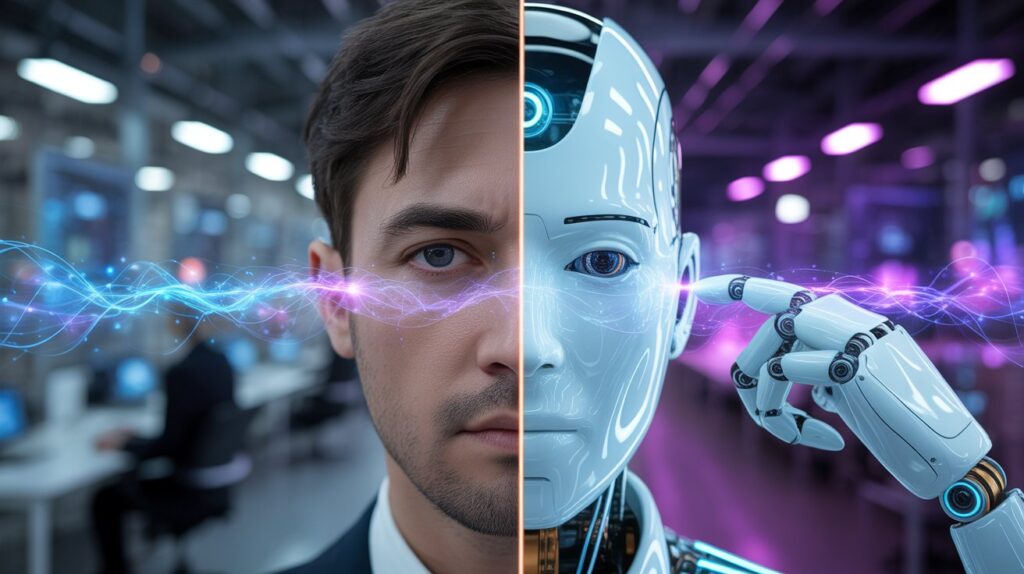
Interestingly, while AI removes certain jobs, it also creates entirely new careers. In fact, experts believe AI-related jobs are among the fastest-growing opportunities in 2026.
Moreover, businesses now need workers who understand both technology and human communication. Therefore, creative and analytical skills are becoming more valuable than ever.
Although AI is powerful, it still cannot fully replace human creativity, emotions, and decision-making. Machines can process information quickly, but they struggle with empathy, leadership, and emotional understanding.
As a result, employers in 2026 highly value skills such as:
For example, teachers, therapists, designers, and managers still play essential roles because human connection remains important.
Consequently, workers who improve these soft skills are more likely to succeed in the AI-driven future.
AI is helping doctors detect diseases faster and more accurately. Smart systems can now analyze medical scans, predict health risks, and recommend treatments. Nevertheless, human doctors are still needed to care for patients emotionally and ethically.
Teachers are using AI tools to create personalized learning experiences. Students can now receive instant feedback and customized lessons based on their learning styles.
Banks use AI to detect fraud, manage risks, and improve customer service. Additionally, AI-powered financial advisors are helping people make smarter investment decisions.
Content creators now use AI for video editing, scriptwriting, image generation, and social media management. However, originality and storytelling still depend heavily on human creativity.
Self-driving technology continues to grow in 2026. Although fully autonomous vehicles are still developing, AI is already improving traffic management and logistics worldwide.
Another major trend in 2026 is the combination of AI and remote work. Employees now use AI assistants to schedule meetings, summarize emails, create reports, and organize tasks automatically.
Because of these tools, remote teams can work more efficiently than before. Furthermore, freelancers and small businesses can compete globally using affordable AI software.
In many ways, AI acts more like a digital assistant rather than a complete replacement for workers.
Despite the benefits, AI also brings serious challenges.
Many workers worry that automation will replace their roles. Consequently, governments and companies are investing more in training programs and digital education.
AI systems collect massive amounts of data. Therefore, protecting personal information has become a major issue worldwide.
Not everyone has the technical skills needed for modern AI-powered jobs. Because of this, learning new digital skills is becoming essential for career survival.
The good news is that people can adapt to the AI revolution successfully. In fact, lifelong learning is now one of the most valuable habits in 2026.
Most importantly, workers should focus on adaptability. Technology changes quickly, and flexible individuals are more likely to thrive.
Experts predict that AI will continue transforming the global workforce over the next decade. Nevertheless, history shows that technological revolutions often create more opportunities than they destroy.
Just as the internet changed careers in the early 2000s, AI is shaping a new generation of jobs today. Therefore, people who embrace learning and innovation will likely benefit the most.
Rather than fearing AI, many professionals now see it as a powerful tool that can increase productivity, improve creativity, and unlock new possibilities.
Artificial Intelligence is changing jobs in 2026 faster than ever before. While automation is replacing repetitive work, it is also opening doors to exciting new careers and industries. At the same time, human creativity, emotional intelligence, and critical thinking remain irreplaceable.
Ultimately, the future belongs to people who are willing to adapt, learn, and grow alongside technology. AI is not just changing the workplace — it is redefining what it means to work in the modern world.





One thought on “10 Powerful Ways AI Is Transforming Jobs and Careers in 2026”