
 11
11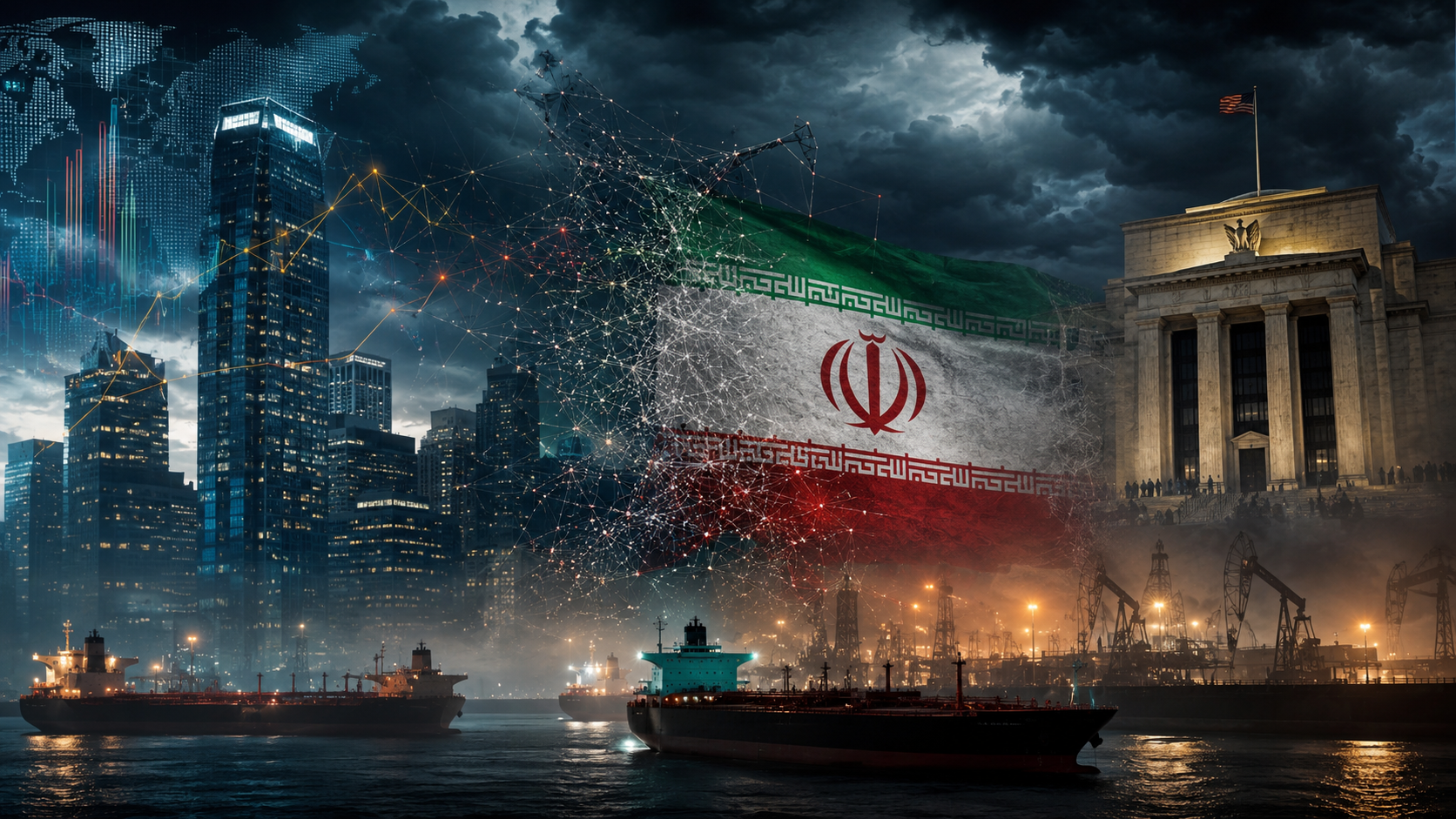
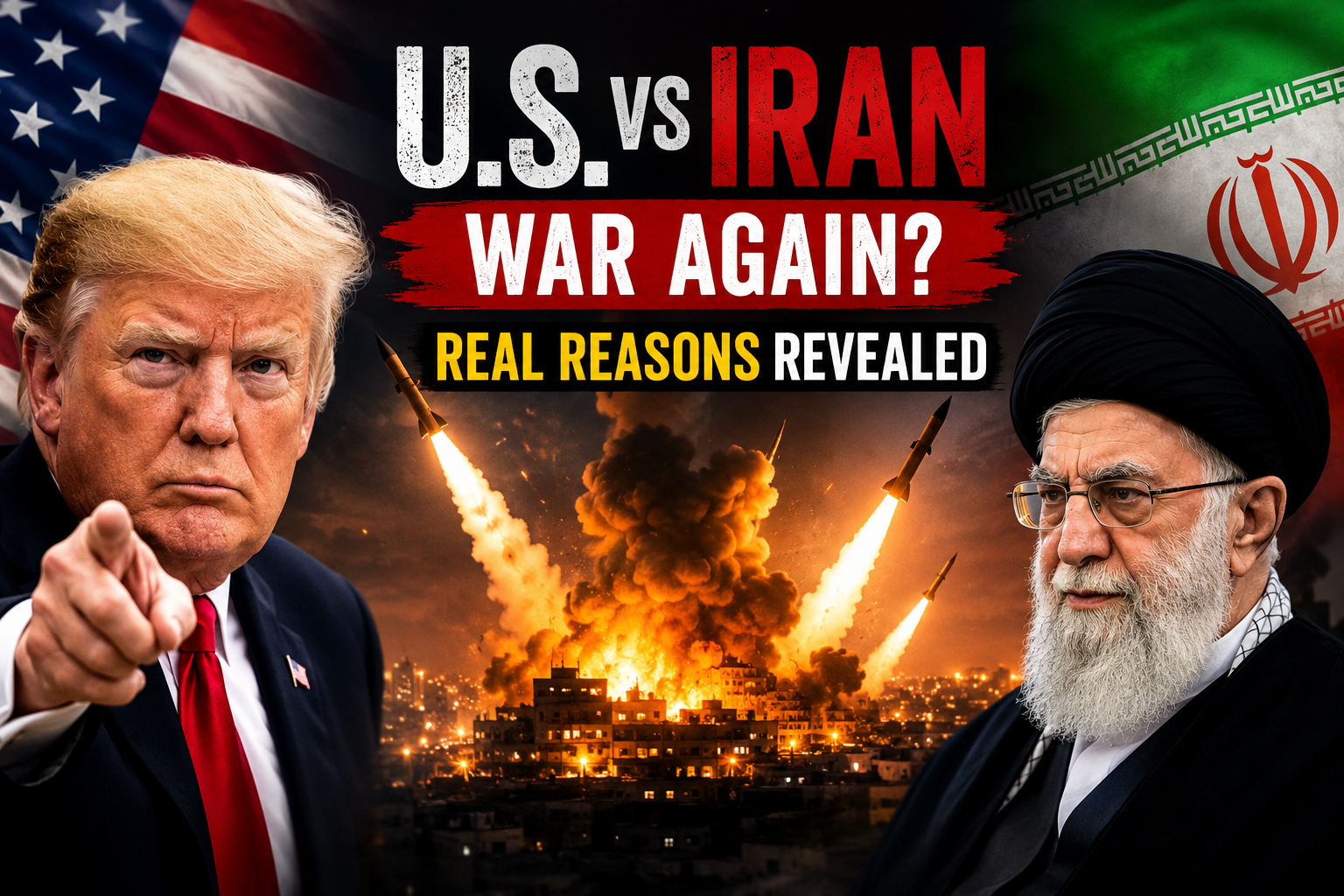
The United States has launched a dramatic new economic pressure campaign against Iran, escalating Washington’s effort to isolate Tehran from the global economy and cut off the financial networks that continue to support the Iranian government.
The campaign, officially called “Operation Economic Outcast,” represents one of the most aggressive economic offensives announced against Iran in recent years. The Trump administration says its objective is clear: sever Iran’s remaining economic lifelines and increase pressure on the countries, companies, financial institutions and networks that continue doing business with Tehran. However, this is more than another ordinary round of sanctions. Washington is signaling that the pressure campaign could extend far beyond Iran itself, potentially affecting international businesses and governments that provide economic connections to Tehran.
The announcement immediately raised serious questions across global markets and diplomatic circles. Can economic pressure force Iran to change its behavior? Or could the campaign create another dangerous confrontation across the Middle East and global energy markets?
On August 24, 2026, the U.S. administration announced Operation Economic Outcast, describing it as a broad campaign designed to isolate Iran economically and financially. According to the White House, the strategy aims to target Iran’s international financial connections and restrict revenue sources that Washington believes help sustain the Iranian government. The campaign includes expanded pressure on sectors such as digital assets, technology, gold, aviation and shipping.
In other words, Washington is attempting to close the economic escape routes that Iran has relied upon to reduce the impact of previous sanctions. U.S. officials have described the campaign as a sustained financial offensive rather than a single sanctions announcement. The administration has also indicated that additional measures could follow. This makes the strategy particularly significant.
Instead of simply sanctioning individual Iranian companies, the United States is attempting to create a much wider deterrent: countries, companies and financial institutions may have to reconsider whether economic relationships with Iran could expose them to American penalties. That approach could dramatically increase the cost of doing business with Tehran.
The new campaign comes during an extremely tense period in relations between Washington and Tehran. U.S. officials have increasingly argued that economic pressure can achieve strategic objectives while avoiding—or at least delaying—another major military escalation. Consequently, sanctions are once again becoming a central instrument of American foreign policy.
Treasury Secretary Scott Bessent described the campaign as an effort to intensify pressure on Iran’s global economic connections. Reports indicate that the initial measures targeted dozens of individuals, entities and vessels connected to Iranian economic and procurement networks. The strategy is built around a powerful calculation: If Iran cannot easily sell, transfer, transport or protect its economic resources, its strategic options may become increasingly limited. That is the central theory behind the new pressure campaign.
Nevertheless, the strategy also carries enormous risks. Iran has spent years developing alternative trade networks, financial arrangements and regional partnerships designed to reduce dependence on Western financial systems. Therefore, isolating Tehran completely could prove far more difficult than imposing sanctions on paper.
One of the most important aspects of Operation Economic Outcast is its focus on multiple sectors rather than one single industry. The White House identified several critical economic areas targeted by the new sanctions pressure:
These sectors are strategically important because modern sanctions enforcement increasingly involves tracking not only traditional banks and oil companies, but also alternative financial systems, international transportation networks, and complex commercial intermediaries.
Digital assets have become an increasingly important issue in international sanctions enforcement. Governments around the world are concerned that cryptocurrency platforms and other digital financial systems could potentially be used to move funds outside traditional banking channels. Therefore, targeting digital financial networks could become a major part of Washington’s attempt to reduce Iran’s financial flexibility.
Technology restrictions could make it more difficult for sanctioned entities to obtain advanced equipment, industrial components, and specialized services. This pressure can become particularly significant when international supply chains involve multiple companies across several countries. A single transaction may involve manufacturers, shipping companies, insurers and financial institutions. Consequently, economic sanctions can create a powerful domino effect.
Gold has historically provided governments and financial institutions with an alternative store of value during periods of economic instability. Targeting gold-related transactions could therefore be intended to reduce Iran’s ability to rely on alternative forms of wealth transfer.
Aviation networks can play a crucial role in international trade, logistics and financial connectivity. Restrictions affecting aircraft, aviation services or related companies could increase pressure on transportation networks connected to Iran.
Perhaps most importantly, shipping remains essential for global trade. Oil, industrial products and other goods must move through international ports and maritime networks. Therefore, pressure on shipping could become one of the most consequential elements of the campaign. Iran’s economy cannot operate entirely within its borders. International trade requires ships, ports, insurers, financial institutions, and companies operating across multiple jurisdictions. That makes maritime networks a major battleground in economic sanctions enforcement.
Perhaps the most explosive element of the new campaign is that Washington’s message appears directed not only at Iran. It is also directed at those who continue economic relationships with Tehran. This could place additional pressure on international companies and governments attempting to maintain commercial connections with Iran.
The strategy is often described as a form of secondary pressure. Rather than only penalizing the original target, a government may threaten consequences against third parties that help the targeted country maintain access to international markets. This is where Operation Economic Outcast could become geopolitically complicated. Major countries may have different interests regarding Iran.
Some governments could decide that maintaining commercial relationships with Tehran is strategically important. Others may reduce their economic engagement to avoid potential exposure to U.S. sanctions. That uncertainty alone can create what economists sometimes describe as a chilling effect. Businesses do not always need to be directly sanctioned to withdraw. Sometimes, the possibility of future penalties is enough.
China remains one of the most important countries to watch. Iran’s ability to maintain international economic relationships depends heavily on whether major trading partners are willing to continue doing business despite American pressure.
Reports surrounding the announcement have highlighted the importance of countries with significant economic connections to Iran, particularly as Washington considers how aggressively it can expand enforcement without creating wider economic confrontations. This creates a delicate geopolitical equation. The United States wants to increase pressure on Iran. However, aggressively targeting major economies could create diplomatic and economic consequences that extend far beyond the Middle East.
A sanctions campaign that successfully isolates Iran could strengthen Washington’s negotiating position. But a campaign that triggers widespread resistance could encourage countries to build alternative financial and trade systems. That is the paradox at the heart of economic warfare. The stronger the pressure becomes, the greater the incentive for targeted countries and their partners to search for alternatives.
Iran has consistently argued that it can survive and adapt to economic pressure. Iranian officials have recently emphasized the need to develop strategies capable of overcoming sanctions and reducing dependence on the U.S. dollar and Western financial systems. This means Tehran is unlikely to simply accept the new campaign without attempting to respond.
Possible responses could include:
However, adapting to sanctions is not the same as escaping their economic consequences. Even when countries develop alternative trade routes, economic isolation can still increase costs, reduce investment, and limit access to global markets. That is precisely why Washington believes sustained financial pressure can eventually create political leverage.
The answer is potentially yes. Iran is located near one of the world’s most strategically important energy regions. Any escalation involving Iranian oil exports, shipping routes, or regional transportation networks could influence global energy markets.
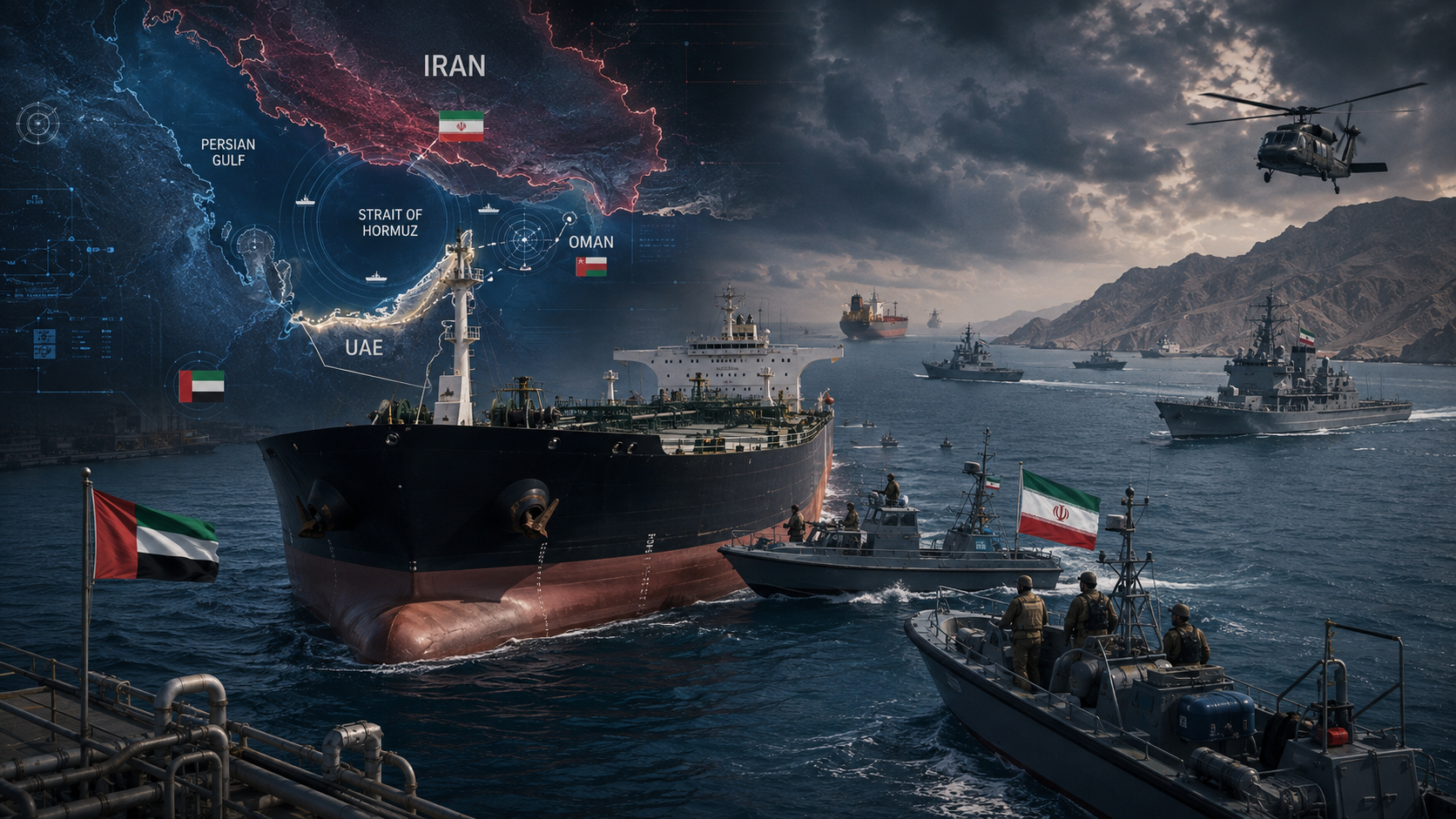
The Strait of Hormuz remains particularly important because a significant portion of global energy trade moves through the region. Recent reports have also highlighted tensions surrounding oil exports and shipping security, adding another layer of uncertainty to an already volatile geopolitical environment. Therefore, the economic campaign against Iran is not just a regional issue.
It could affect:
Even the possibility of disruption can influence markets. This is why investors, governments, and energy companies will be watching Iran’s response extremely closely.
Military conflict is expensive, unpredictable, and politically dangerous. Economic pressure, by comparison, allows governments to impose costs without immediately deploying additional military forces. However, sanctions are not painless or risk-free. Economic pressure can produce unintended consequences. For example, it can encourage targeted countries to strengthen relationships with rival powers. It can also accelerate efforts to create alternative payment systems and trade networks outside Western financial structures.
Still, the United States retains enormous influence because of the central role of the American financial system and the U.S. dollar in global commerce. That influence gives Washington a powerful ability to restrict access to markets, banks, and international financial services. Operation Economic Outcast appears designed to maximize that advantage. The campaign is essentially attempting to transform America’s financial influence into sustained geopolitical pressure.
This may ultimately be the most important question. The United States has used economic sanctions against Iran for decades. Sometimes sanctions have increased pressure sufficiently to encourage negotiations. However, economic pressure has not always produced the political outcomes Washington expected. Iran has demonstrated an ability to endure prolonged isolation.
Therefore, the success of the new campaign will depend on several critical factors.
A sanctions program is only as effective as its enforcement. If companies believe penalties are unlikely, they may continue risky transactions.
This could be the decisive issue. If major economies continue supporting commercial relationships with Iran, complete isolation may remain difficult.
Iran has experience operating under sanctions. Its ability to adapt could reduce the effectiveness of new restrictions.
This remains unpredictable. Economic pressure can create incentives for negotiation. However, it can also increase political hostility and encourage retaliation.
Operation Economic Outcast represents a major test of U.S. financial influence. The campaign is built on the belief that access to international markets remains one of the most powerful forms of geopolitical leverage. Washington is effectively presenting Iran with an increasingly stark choice: accept greater economic isolation or change its strategic behavior. But the outcome is far from guaranteed.
Iran has powerful incentives to resist. Its trading partners have their own national interests. And global markets remain highly sensitive to disruptions involving Middle Eastern energy routes.
Furthermore, the campaign could reshape relationships far beyond Iran. Countries around the world may now have to calculate the economic cost of maintaining relationships with Tehran. That could create new diplomatic tensions between Washington and governments that do not want to fully align with U.S. sanctions policy.
The United States has launched a powerful new economic offensive designed to isolate Iran and cut off its remaining financial lifelines. Through Operation Economic Outcast, Washington is targeting critical sectors and warning that entities maintaining economic connections with Tehran could face growing consequences. The campaign is ambitious.
It is aggressive. And it could have consequences far beyond Iran. For Washington, the strategy is a test of whether financial power can achieve what years of sanctions and military confrontation have struggled to accomplish: force a fundamental change in Iran’s strategic calculations. For Tehran, the challenge is equally enormous.
Iran must now demonstrate whether it can continue maintaining economic connections despite an expanding American pressure campaign. And for the rest of the world, the consequences could be felt through oil markets, shipping routes, international trade and an increasingly fractured global financial system. One thing is certain:
Operation Economic Outcast has opened a new chapter in the confrontation between the United States and Iran—and the economic battle may now become just as consequential as the military and diplomatic struggle that came before it.