

 11
11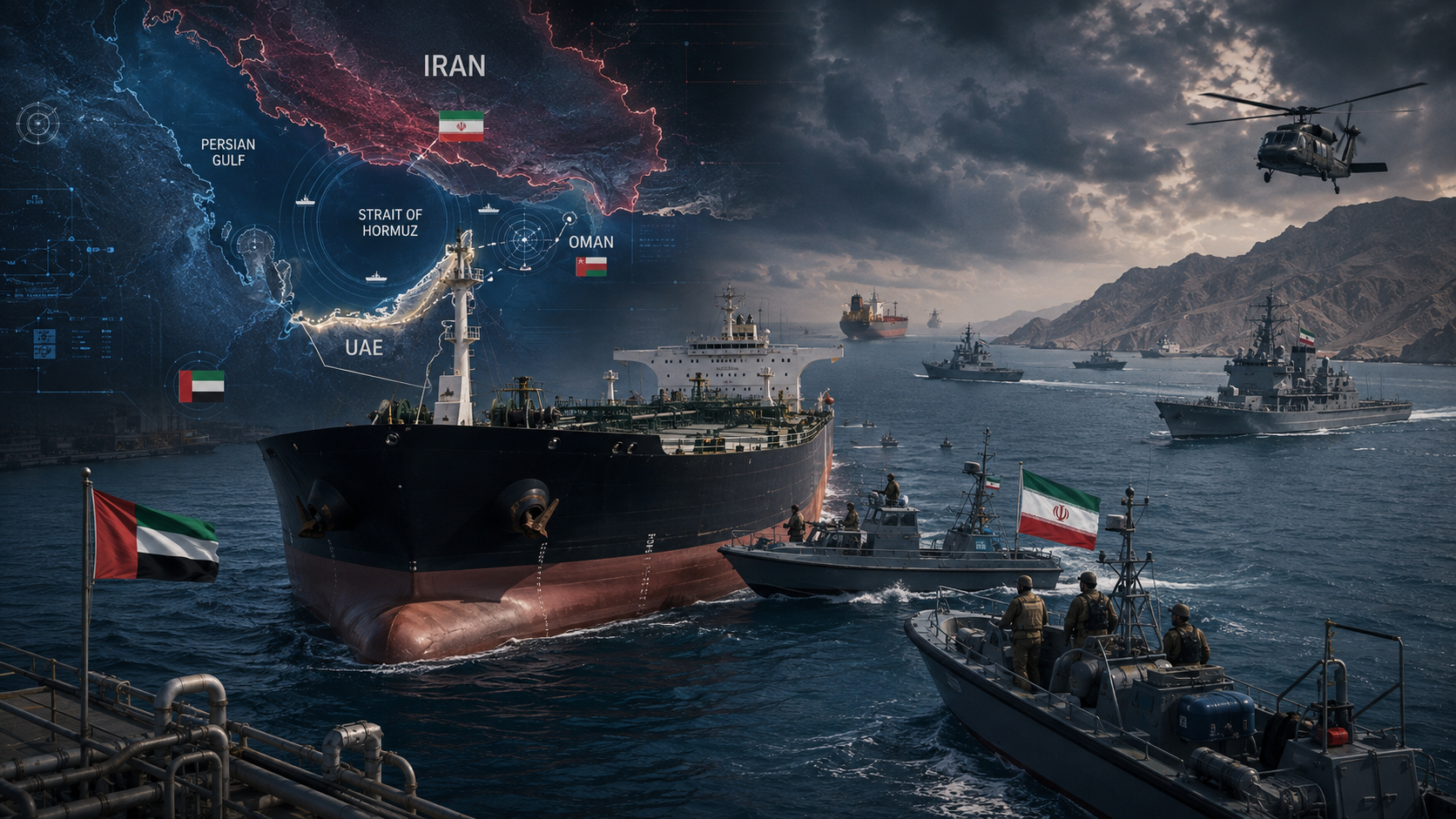
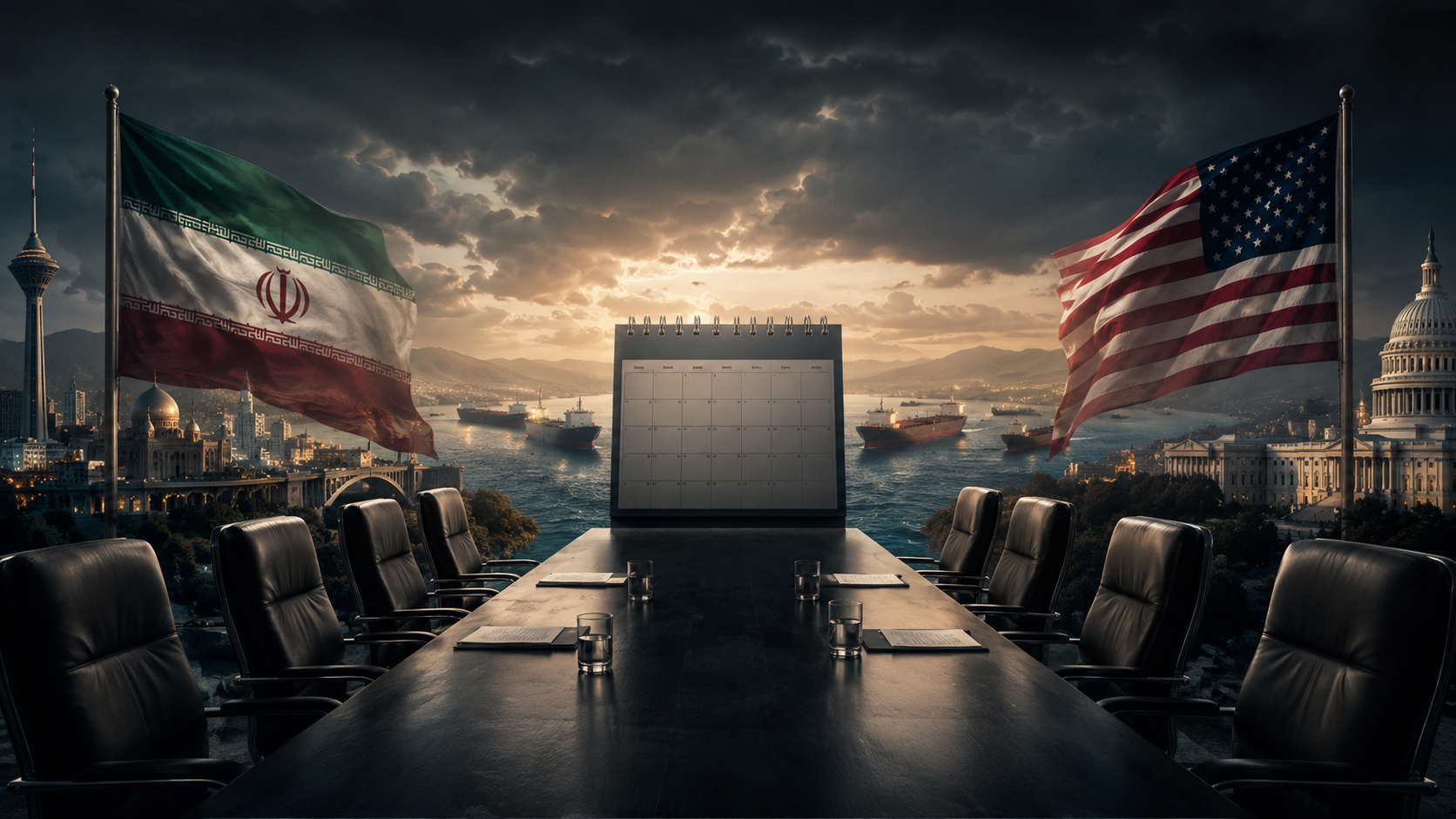
The Strait of Hormuz has become the latest pressure point in an already dangerous confrontation between Iran, the United States and Gulf states.
Iranian authorities have claimed that their forces detained a tanker linked to the United Arab Emirates while it was attempting to pass through the strategic waterway. Reports first emerged on August 17, with Iranian media saying the vessel had been stopped over alleged violations of Iran’s rules for navigating the strait. More recent reports say the tanker has been diverted toward Iran’s southern port of Bandar Abbas.
The claim comes after several attacks involving UAE-linked vessels in the same waterway, making the latest incident more than an isolated maritime dispute.
It also arrives at a particularly sensitive moment. Iran and the United States are making competing claims about who controls the Strait of Hormuz, while commercial shipping through the passage has fallen sharply. Reuters reported on August 19 that only six commodity vessels transited the strait on Tuesday, compared with nine the previous day and a recent average of about 11 daily transits.
For the UAE, Iran’s alleged seizure of another vessel raises serious questions about maritime security. For Tehran, meanwhile, the incident appears to fit into a broader effort to assert control over traffic passing through a waterway that Iran considers central to its national security.
The bigger concern is what happens next.
According to reports from Iranian media, an oil tanker linked to a UAE-based company was stopped while transiting the Strait of Hormuz.
Early reports placed the detention near Iran’s southern waters, with some accounts saying the vessel was near Qeshm Island. Iranian authorities reportedly accused the tanker of failing to follow designated navigation rules, including requirements concerning the northern route through the strait.
By August 19, reports indicated that the tanker had been diverted toward Bandar Abbas, Iran’s major port on the Persian Gulf.
That development matters because a vessel merely being stopped for questioning is very different from one being taken toward an Iranian port.
However, it is important to distinguish between what Iran has claimed and what has been independently confirmed.
The seizure has been widely reported, but the available reporting has not provided a complete independent account of the incident, including all details surrounding the tanker, its crew and the precise circumstances of the detention. For that reason, describing the incident as an Iranian-claimed seizure is more accurate than presenting every Iranian allegation as an established fact.
That distinction matters in a conflict where competing narratives are becoming almost as important as the military developments themselves.
The Strait of Hormuz is one of the world’s most strategically important maritime chokepoints.
It connects the Persian Gulf with the Gulf of Oman and the wider Arabian Sea. Its narrow geography means that ships carrying enormous quantities of oil and gas have relatively limited options when entering or leaving the Gulf.
Before the current crisis, roughly one-fifth of global crude oil and liquefied natural gas shipments moved through the waterway.
That makes every incident involving commercial vessels potentially significant.
A tanker being delayed for several hours might seem like a relatively small event.
But when multiple vessels are attacked, detained or forced to change course, shipping companies begin reassessing the risks.
Insurance costs can rise.
Crews can become reluctant to enter the area.
Oil companies may delay cargoes.
And traders can start pricing the possibility of a longer disruption into energy markets.
That is why the latest tanker incident is being watched far beyond Iran and the UAE.
The reported seizure follows a series of incidents involving UAE-linked commercial vessels.
On August 14, the UAE accused Iran of attacking two tankers operated by the Abu Dhabi National Oil Company (ADNOC) while they were transiting the Strait of Hormuz. The UAE said there were no injuries and described the attacks as a serious violation of freedom of navigation.
Reuters also reported that the UAE had accused Iran of attacking an ADNOC vessel, describing it as the third attack involving ADNOC vessels within a week. Abu Dhabi called for the attacks to stop and demanded the reopening of the strategic waterway.
Iran did not immediately accept responsibility for those accusations.
That creates a difficult environment for commercial shipping.
Even when an attack does not sink a ship or cause casualties, uncertainty itself can become a weapon.
A shipping company does not necessarily need to know exactly who is responsible before deciding that a route has become too risky.
The latest seizure claim needs to be understood within the larger struggle over control of the Strait of Hormuz.
Iran has repeatedly insisted that it maintains significant control over the waterway and has challenged U.S. claims that the strait is operating normally.
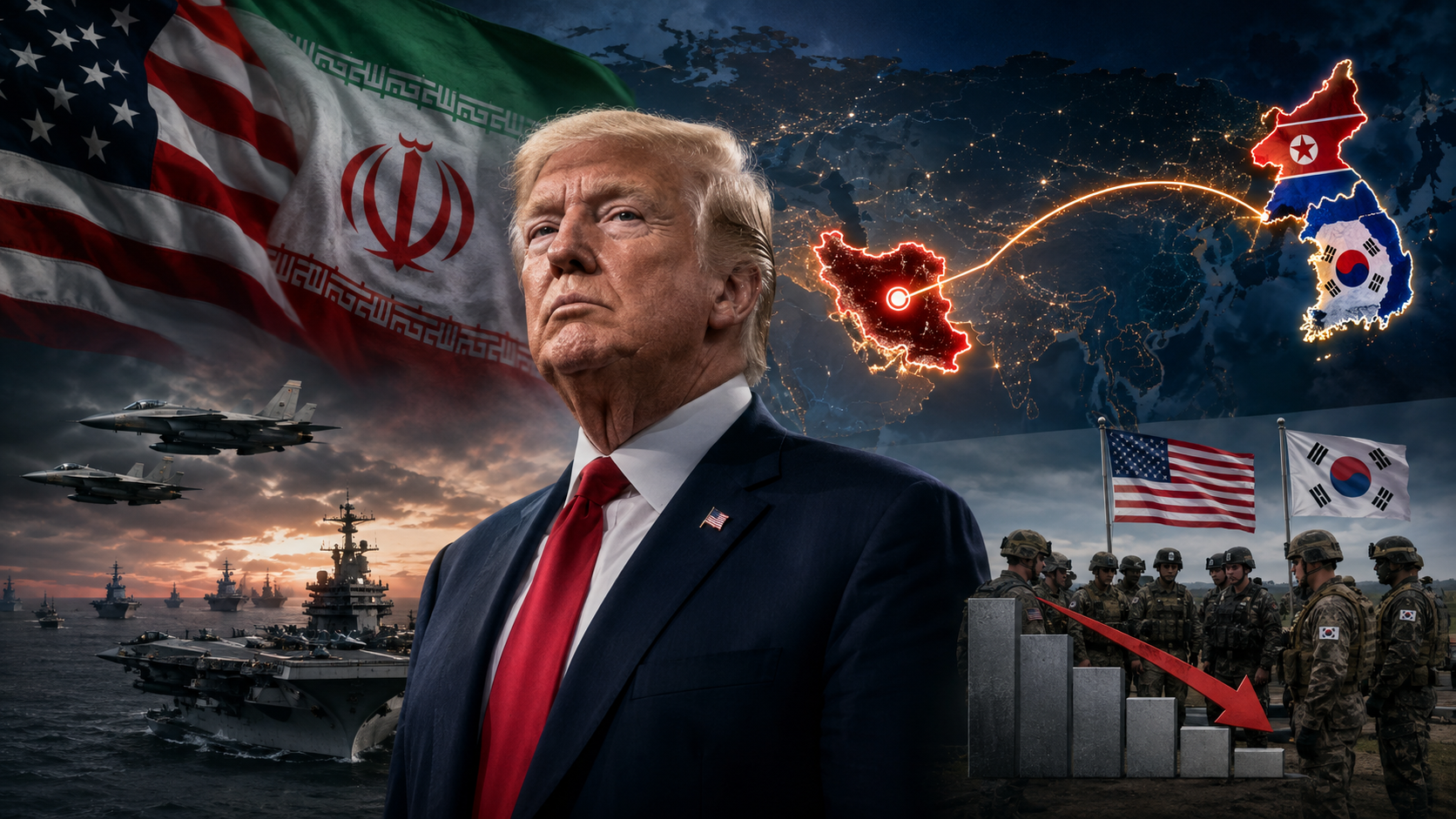
Reuters reported last week that Iranian officials had declared the strait to be under Iranian control, while President Donald Trump had made a competing claim that the United States had control of the area. Iranian military officials have also said that vessels cannot simply pass through without complying with Iranian directives.
The disagreement is not simply about geography.
It is about who gets to determine the rules for maritime traffic.
The United States has opposed Iranian efforts to use control over the strait as economic leverage. Iran, meanwhile, sees the waterway as one of its most powerful strategic pressure points.
That leaves commercial shipping caught between two competing military and political positions.
The UAE has tried to protect its commercial interests while avoiding becoming a direct participant in the wider U.S.-Iran confrontation.
That is becoming harder.
The Emirates depend heavily on maritime trade and energy exports. Disruption in the Strait of Hormuz therefore creates a direct economic and security problem for the country.
The recent incidents involving ADNOC vessels have already demonstrated that UAE-linked shipping can become exposed to the wider conflict.
Now, the reported detention of another UAE-linked tanker raises the stakes further.
For Abu Dhabi, the issue is not simply whether one tanker can eventually be released.
It is whether commercial vessels connected to the UAE can safely use one of the world’s most important shipping routes.
That is a much bigger question.
The danger lies in escalation.
A tanker is a commercial asset, not a military target. When such vessels become part of a confrontation between governments, the consequences can spread quickly.
There are several possible outcomes.
The tanker could eventually be released following negotiations or clarification over its route.
If that happens, the incident may remain a relatively contained confrontation.
If Iran continues stopping ships it believes have violated its navigation requirements, shipping companies may become increasingly reluctant to use the northern corridor of the strait.
If another commercial vessel is attacked, damaged or seized, pressure on the UAE and its allies to respond could increase.
That would make an already fragile maritime environment even more dangerous.
Reduced shipping through Hormuz could place additional pressure on oil prices, freight rates and energy markets.
None of these outcomes is inevitable.
But the longer the confrontation continues, the harder it becomes to separate maritime incidents from the broader military crisis.
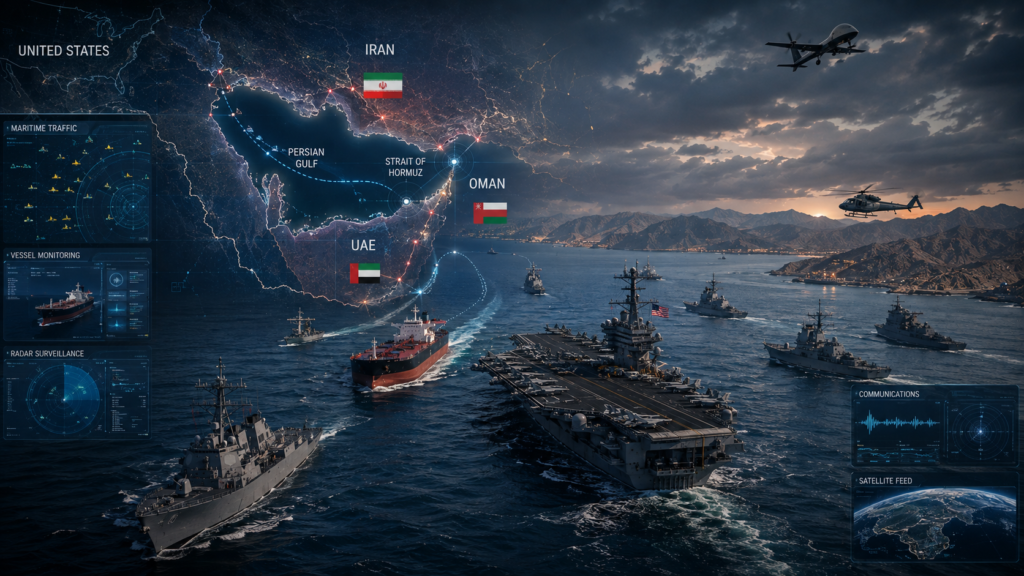
US Military Strategy in the Middle East: Naval Power
The latest numbers show why the situation is attracting so much attention.
Reuters reported on August 19 that only six commodity vessels passed through the Strait of Hormuz on Tuesday. One very large crude carrier entered from the Omani side, while two tankers and three other vessels exited.
That is a dramatic reduction from normal traffic.
The problem is not necessarily that every ship has been physically prevented from crossing.
Risk itself can reduce traffic.
When shipping companies cannot predict whether a vessel will be inspected, attacked, detained or forced to change route, they may decide that waiting is safer.
That creates a form of economic pressure even without a complete blockade.
And Hormuz is particularly difficult to replace.
Alternative routes exist, but they cannot simply absorb the entire volume of energy that normally passes through the strait.
One of the most confusing parts of the current crisis is that Washington and Tehran are offering sharply different descriptions of the waterway.
Trump has claimed that the strait is open and safe, while Iranian officials have continued to describe it as closed or subject to Iranian control.
The actual shipping data paints a more complicated picture.
Some vessels are still moving.
But traffic remains far below normal levels.
That distinction is important.
A waterway does not have to be completely empty to be effectively disrupted.
If only a small fraction of normal commercial traffic is willing to pass, global energy markets can still feel the consequences.
From Tehran’s perspective, maritime pressure can serve several purposes.
First, it demonstrates that Iran retains the ability to influence shipping through the strait despite U.S. military pressure.
Second, it sends a warning to countries whose commercial or strategic interests are closely connected to the United States.
Third, it gives Iran another bargaining tool in negotiations over the future of Hormuz.
But there is also a significant downside.
Aggressive action against commercial vessels risks alienating Gulf states that may otherwise prefer diplomacy over confrontation.
The UAE has already condemned attacks on its vessels. Continued incidents could push Abu Dhabi toward closer security cooperation with Washington and other partners.
That could ultimately make the regional environment even more hostile to Tehran.
The tanker dispute is also unfolding against a wider deterioration in UAE-Iran relations.
The UAE recently accused Iran of launching ballistic missiles toward Emirati territory and subsequently suspended trade and financial dealings with Iran, according to reporting from the Financial Times. Tehran denied responsibility for the missile attack.
That means the tanker seizure is not happening in isolation.
There are now several overlapping disputes:
Each issue makes the others harder to resolve.
Oman occupies a particularly important position in this dispute because it sits on the southern side of the Strait of Hormuz and has historically maintained channels with both Iran and Western governments.
That gives Muscat a potential diplomatic role at a time when direct communication between Washington and Tehran has become increasingly difficult.
But Oman is also exposed to the maritime consequences.
Reuters reported that a major crude carrier entered Hormuz from the Omani side amid the continuing uncertainty.
If commercial traffic increasingly relies on Omani approaches to navigate the crisis, Muscat could become even more important to the future of regional shipping.
At the same time, pressure on Oman to influence Iran could create its own diplomatic complications.
The biggest international concern is energy.
Hormuz is critical to global oil and gas flows, and any prolonged disruption can influence prices even when actual supply losses remain limited.
Markets react to expectations.
If traders believe the waterway will remain unstable for weeks or months, they may price greater risk into oil contracts.
That can affect fuel prices, transportation costs and inflation in countries far away from the Persian Gulf.
The result is a chain reaction:
Maritime risk → higher shipping costs → energy uncertainty → higher commodity prices → broader economic pressure.
That is why an incident involving one tanker can attract attention from governments, oil companies and financial markets around the world.
It could, but much will depend on what happens next.
If the tanker is released and the UAE and Iran avoid further confrontation, tensions could stabilize temporarily.
If additional vessels are detained, however, the situation could become much harder to contain.
The UAE has already demonstrated that it is willing to publicly challenge Iran over attacks on its commercial vessels. The United States, meanwhile, has made control and safe navigation through Hormuz a central part of its broader confrontation with Tehran.
That combination creates a dangerous equation.
A single maritime incident could become politically significant far beyond the vessel itself.
Several developments will reveal where the crisis is heading.
The first question is whether the tanker remains in Iranian custody and whether officials provide a clearer explanation for the detention.
Abu Dhabi’s diplomatic or security response could determine whether the incident remains limited or becomes part of a larger confrontation.
If vessel movements through Hormuz continue declining, markets are likely to treat the situation as a sustained shipping crisis rather than a series of isolated incidents.
Any new American move involving naval forces or maritime escorts could change the risk calculation for commercial shipping.
If Tehran attempts to formalize or expand requirements for vessels using the strait, the dispute could move from individual ship incidents toward a much broader confrontation over maritime access.
Iranian authorities and Iranian media have claimed that their forces detained a tanker linked to the UAE while it was transiting the Strait of Hormuz. Later reports said the vessel was being diverted toward Bandar Abbas.
Reports citing Iranian sources said the vessel had failed to comply with Iranian navigation requirements while using the northern route through the Strait of Hormuz. The full circumstances of the detention remain subject to competing accounts.
The UAE has accused Iran of attacking several ADNOC-linked vessels in the Strait of Hormuz in recent weeks. Iran has not accepted all of those accusations.
The strait is a major global energy chokepoint through which a large share of the world’s seaborne oil and LNG shipments traditionally pass. Any prolonged disruption can affect energy markets and shipping costs.
The situation is disputed. Iran says the waterway remains under its control or effectively closed, while Trump has claimed it is open. Shipping data indicates that some vessels continue to transit, but traffic is significantly below normal levels.
Yes. Even if the tanker itself represents only a small portion of global oil transportation, repeated attacks or detentions can increase fears about wider disruption through Hormuz, potentially putting upward pressure on energy prices.
The reported Iran seizure of a UAE-linked tanker in the Strait of Hormuz is significant because it comes at a moment when maritime security in the Persian Gulf is already under extraordinary pressure.
This is not simply a story about one tanker.
It is about a strategic waterway where Iran says it has the right to enforce its rules, while the United States insists on freedom of navigation and continued commercial access. The UAE, meanwhile, is increasingly caught between those competing positions as vessels connected to its energy industry face growing risks.
The numbers already show the impact. Commercial traffic through Hormuz has fallen sharply, even though the waterway has not become completely empty.
That is perhaps the clearest warning sign.
Shipping does not need to stop completely for a global crisis to begin.
If vessels continue being attacked, detained or diverted, the economic consequences could spread well beyond the Gulf. Oil markets, insurance costs, freight rates and consumer prices could all feel the pressure.
For now, the most important question is whether this tanker incident remains a contained confrontation or becomes another step in a much larger escalation between Iran, the UAE and the United States.
The answer may depend not only on what happens to the detained vessel, but on whether the major powers can prevent the Strait of Hormuz from becoming the place where every unresolved disagreement turns into a maritime confrontation.

One thought on “Iran Seizes UAE Tanker in Strait of Hormuz | Latest Update”