

 11
11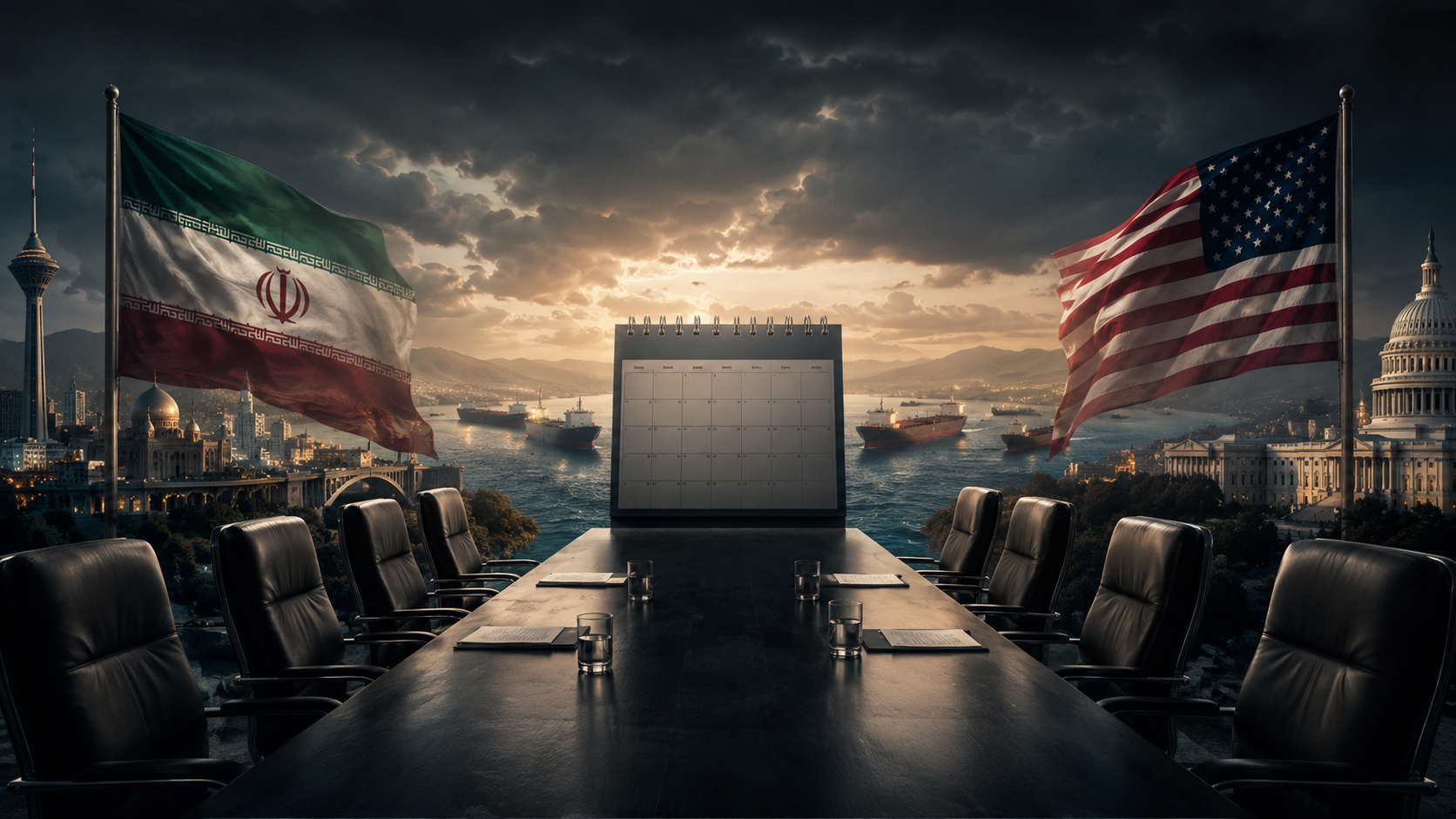
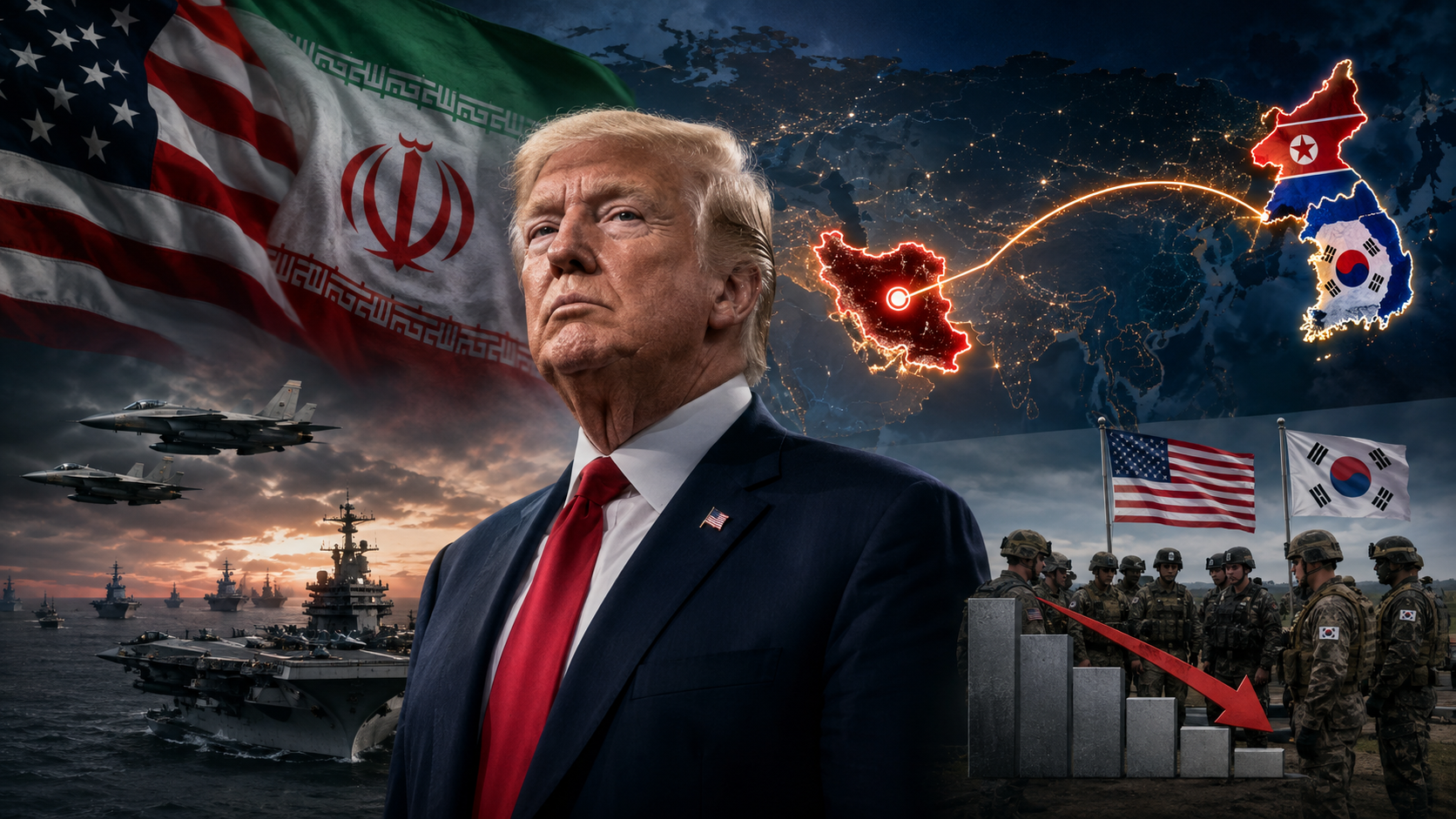
Iran has sent one of its strongest signals yet that it does not expect a diplomatic breakthrough with the United States while President Donald Trump remains in office. According to recent statements from an adviser to Iranian Parliament Speaker Mohammad Bagher Ghalibaf, Tehran should wait out Trump’s presidential term rather than pursue a new agreement with his administration, potentially putting negotiations on hold until January 20, 2029.
The development represents a major setback for efforts to reduce tensions between Washington and Tehran. It also raises wider questions about the future of the Iran nuclear issue, the Strait of Hormuz, sanctions, oil markets, and Middle East security.
However, the statement should be understood carefully. The comments came from an adviser to Iran’s parliamentary speaker and reflect a powerful political position inside Tehran, but they do not necessarily mean that every channel of communication between Iran and the United States has been permanently closed.
Still, the message is significant: Iran appears increasingly unwilling to make a major deal with Trump during his current term.
The central issue is trust.
Iran and the United States have spent years moving between confrontation and diplomacy. Previous negotiations produced temporary openings, but disagreements over Iran’s nuclear program, American sanctions, regional security and military pressure have repeatedly pushed the two sides apart.
The current crisis has made that mistrust even deeper.
Iranian officials have repeatedly argued that negotiations under pressure cannot produce a durable agreement. From Tehran’s perspective, accepting a deal while facing military and economic pressure could make the country appear to be negotiating from weakness.
An adviser to Ghalibaf reportedly argued that Iran should not sign an agreement with Trump and should instead wait until his term is over.
That approach reflects a broader calculation: Iran may believe that the political environment in Washington could change after 2028.
Rather than accepting Trump’s terms today, Tehran could wait for a future U.S. administration that it believes may be more willing to offer sanctions relief or security guarantees.
The phrase does not necessarily mean that Iran intends to have absolutely no contact with Americans for the next two and a half years.
Diplomatic relationships are rarely that simple.
Even when formal negotiations stop, countries can continue communicating through:
The more important message is that Iran does not currently see a major Trump-era agreement as politically or strategically desirable.
The reported strategy has been described as avoiding both a full-scale deal and unnecessary escalation while managing the confrontation over time.
That could create a prolonged period of what analysts might describe as “neither war nor peace.”
The latest standoff cannot be separated from the history of the Iranian nuclear dispute.
The 2015 nuclear agreement, formally known as the Joint Comprehensive Plan of Action, created limits on Iran’s nuclear activities in exchange for sanctions relief.
For a period, the agreement provided a diplomatic framework for managing one of the world’s most sensitive nuclear disputes.
But the United States withdrew from the agreement during Trump’s first presidency in 2018 and restored sanctions against Iran.
That history remains central to Tehran thinking.
From Iran’s perspective, a major concern is whether another agreement would survive a future change in Washington.
If Iran signs a deal with Trump in 2026 or 2027, Iranian policymakers may worry that a later American president could reverse or weaken the agreement.
That creates a fundamental problem:
How can two governments negotiate a durable agreement when each side doubts the other side’s ability or willingness to maintain its commitments?
The latest position follows several rounds of negotiations and mediation attempts.
Earlier diplomatic efforts included talks involving American and Iranian officials as well as third-party mediators. The Islamabad talks in April 2026 were particularly important because Pakistan played a role in bringing the two sides together.
Those discussions attempted to address several major issues, including the conflict, Iran’s nuclear program and the strategically important Strait of Hormuz.
The talks ultimately failed to produce a comprehensive agreement.
That failure reinforced the argument among Iranian hardliners that negotiations with Washington under intense pressure may not deliver acceptable results.
At the same time, Washington has continued demanding major concessions from Tehran.
The United States has linked diplomacy to issues including Iran’s nuclear capabilities, missiles, regional armed groups and access through the Strait of Hormuz.
With both sides maintaining fundamentally different positions, the diplomatic space has narrowed considerably.
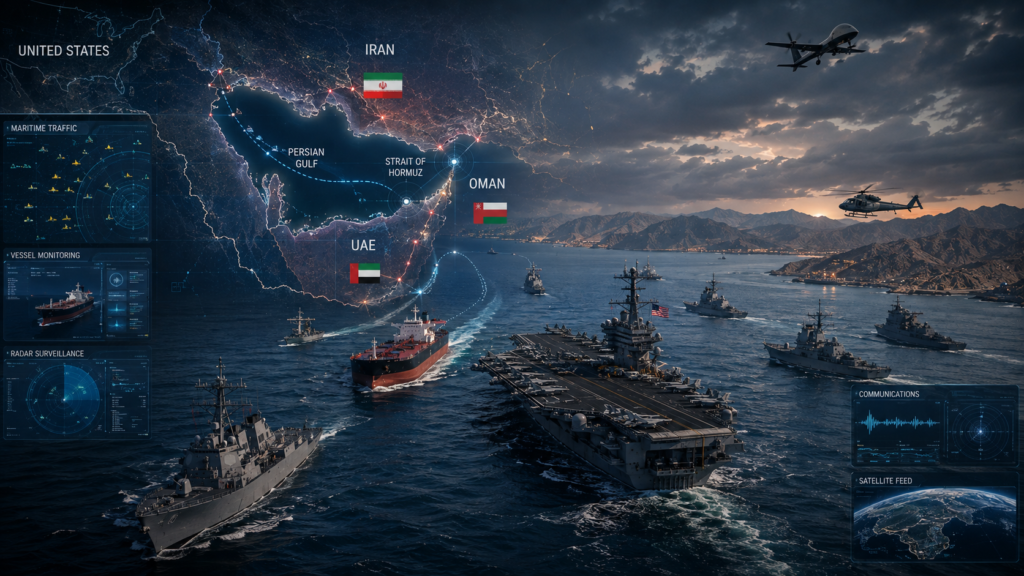
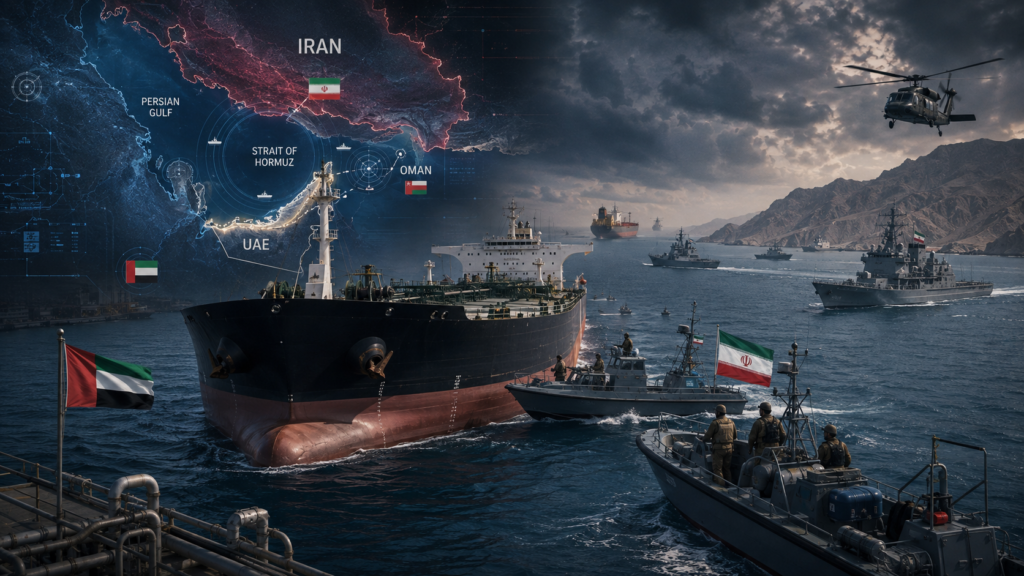
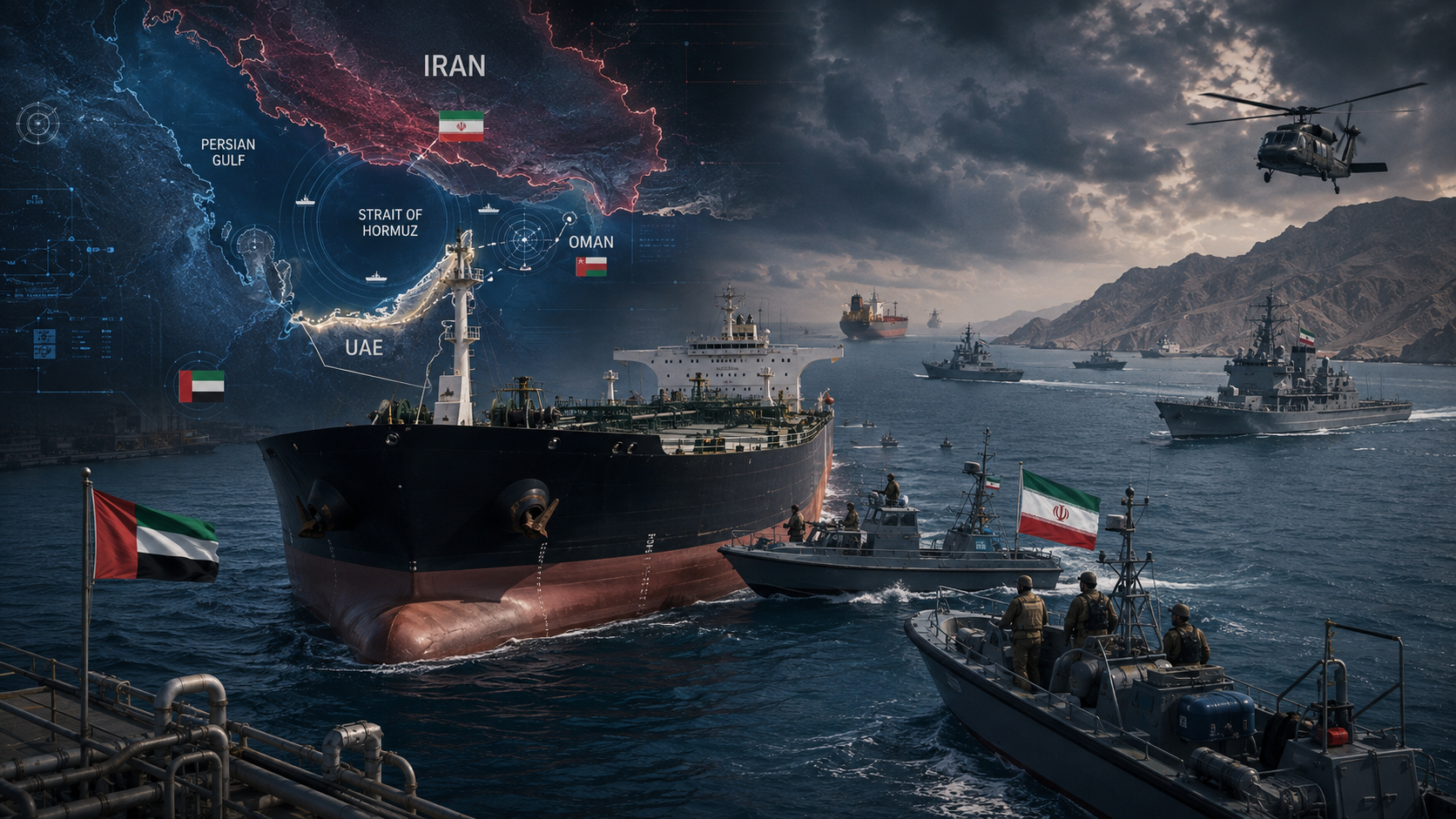
One of the biggest reasons this dispute matters beyond Iran and the United States is the Strait of Hormuz.
The narrow waterway between Iran and Oman is one of the world’s most strategically important energy routes. Large quantities of oil and gas shipments pass through the region.
Any prolonged disruption could have consequences far beyond the Middle East.
| Issue | Potential impact |
|---|---|
| Strait of Hormuz | Higher shipping and energy risks |
| Oil prices | Potential upward pressure |
| Iranian exports | Greater restrictions and economic pressure |
| Global markets | Increased uncertainty |
| Middle East security | Higher risk of military escalation |
| Diplomacy | Fewer opportunities for compromise |
This explains why governments around the world are closely watching the latest developments.
A prolonged U.S.-Iran standoff could affect energy prices, shipping insurance, financial markets and inflation.
Recent market coverage has already linked the latest Iran-U.S. diplomatic developments with movements in oil and cryptocurrency markets.
From Tehran perspective, waiting could have several potential advantages.
Iran may believe that a future administration could have different priorities.
A new president might be more willing to negotiate sanctions relief, security arrangements or a revised nuclear framework.
That does not guarantee a better deal, but it gives Tehran another potential political window.
Agreeing to a major deal during a period of military and economic pressure could be viewed domestically as capitulation.
Waiting allows Iranian leaders to argue that they are refusing to negotiate from a position of weakness.
International politics can change dramatically over several years.
Alliances evolve. Governments change. Economic conditions shift. Military capabilities develop.
Iran may therefore believe that time itself can become a strategic tool.
Iran does not need direct negotiations with Washington to communicate with the international community.
Countries such as Oman, Pakistan and European governments can potentially help carry messages between the two sides.
That gives Tehran options without requiring a direct Trump-Iran agreement.
The strategy is not without danger.
The longer the confrontation continues, the greater the possibility that a misunderstanding or military incident could trigger a new escalation.
U.S. sanctions can continue to restrict Iran’s access to international markets and financial systems.
Iran’s economy could face additional pressure if sanctions become broader or enforcement becomes more aggressive.
If diplomacy disappears, military signaling becomes more important.
That can create a dangerous cycle:
threat → counter-threat → military movement → retaliation → wider escalation.
Once such a cycle begins, political leaders may find it increasingly difficult to control events.
The Iran-U.S. confrontation does not exist in isolation.
Israel, Gulf states, Iraq, Lebanon, Yemen and other regional actors can all be affected by the strategic competition.
A conflict involving Iran could therefore create consequences across several countries.
The Trump administration now faces a difficult strategic choice.
Washington could increase pressure in an attempt to force Tehran back to negotiations. That could involve additional sanctions, diplomatic isolation or military pressure.
Alternatively, the administration could attempt to create a new diplomatic pathway through third-party countries.
The challenge is that maximum pressure does not automatically produce a negotiated settlement.
Recent U.S. policy has again emphasized sanctions against Iran after other approaches failed to produce the desired outcome.
That creates a difficult question for Washington:
If Iran genuinely intends to wait until 2029, how much pressure can the United States apply without pushing the crisis toward another military confrontation?
The answer could determine the direction of U.S.-Iran relations for the remainder of Trump’s term.
Yes.
The statement about waiting until 2029 should not be treated as an irreversible treaty or constitutional commitment.
International crises frequently produce dramatic public statements that later change when circumstances change.
Several developments could potentially bring Iran and the United States back to the negotiating table.
These could include:
Therefore, “no negotiations until 2029” is better understood as a current strategic position than an absolute guarantee.
That distinction is important when interpreting the latest headlines.
The biggest concern is that diplomacy could become increasingly disconnected from the security situation.
If Iran and the United States stop serious negotiations, other countries may have to work harder to prevent escalation.
Regional mediators could become particularly important.
Pakistan, Oman and other governments with communication channels to both sides could potentially help maintain dialogue even when Washington and Tehran refuse direct talks.
That does not necessarily mean they can solve the nuclear dispute.
But maintaining communication can be valuable because diplomacy is often most important when relations are at their worst.
Energy markets will remain one of the most immediate areas to watch.
Any serious threat to the Strait of Hormuz can increase concerns about supply disruptions.
Even before an actual shortage occurs, markets may react to the possibility of disruption.
That can affect:
For countries heavily dependent on imported energy, prolonged uncertainty can become particularly expensive.
The economic consequences could therefore extend well beyond Washington and Tehran.
Iran’s reported decision to wait out Trump’s presidency represents more than another disagreement over negotiations.
It signals a potentially different diplomatic strategy.
Instead of asking, “What deal can we reach with Trump?”, Tehran may now be asking, “How do we manage the relationship until the political environment in Washington changes?”
That is a fundamentally different approach.
It prioritizes patience over immediate compromise.
But strategic patience can work only if the situation remains manageable. If sanctions become unbearable, military tensions escalate or regional conditions deteriorate, waiting may become increasingly difficult.
For Washington, the challenge is equally complicated. The United States may want Iran to make concessions quickly, but excessive pressure could make Tehran even less willing to compromise.
Iranian political figures have indicated that Tehran should avoid reaching a deal with President Trump and wait until his term ends in January 2029. However, the statement comes from an adviser to Iran’s parliamentary speaker and should not automatically be interpreted as a permanent formal ban on every form of communication.
The main reasons are deep mistrust, disagreements over sanctions and Iran’s nuclear program, and concerns about making concessions under pressure. Tehran may also believe that a future U.S. administration could offer a more favorable negotiating environment.
Trump’s current presidential term is scheduled to end on January 20, 2029.
Yes. Even if formal negotiations are suspended, indirect communication through mediators and diplomatic channels can continue.
The Strait of Hormuz is a critical global energy shipping route. Any major disruption could affect oil supplies, shipping costs and energy prices around the world.
It could increase the risk if diplomatic channels disappear and military tensions remain high. However, a decision to suspend negotiations does not automatically mean that a new war is inevitable.
Iran’s reported decision to wait until the end of Trump’s term before pursuing a major agreement marks a significant shift in the diplomatic landscape.
For Tehran, the calculation appears straightforward: avoid making a major deal with Trump, withstand pressure, preserve strategic options and wait for a potentially different political environment in Washington.
For the United States, however, that strategy creates a difficult problem. If Iran refuses negotiations, Washington must decide whether to increase pressure, pursue indirect diplomacy or find another way to prevent escalation.
The consequences extend far beyond the two countries. The Iran nuclear issue, Strait of Hormuz, oil markets and wider Middle East security are all connected to the future of U.S.-Iran relations.
Most importantly, the 2029 deadline should not be viewed as an immovable diplomatic wall. International crises can change rapidly. A military development, economic shock, mediation effort or political transition could bring the two sides back to negotiations much sooner.
For now, however, Tehran message is clear: Iran appears prepared to wait rather than make a major agreement with the Trump administration.

One thought on “Iran-US Talks Until 2029: Iran Plans to Wait Out Trump”