
 11
11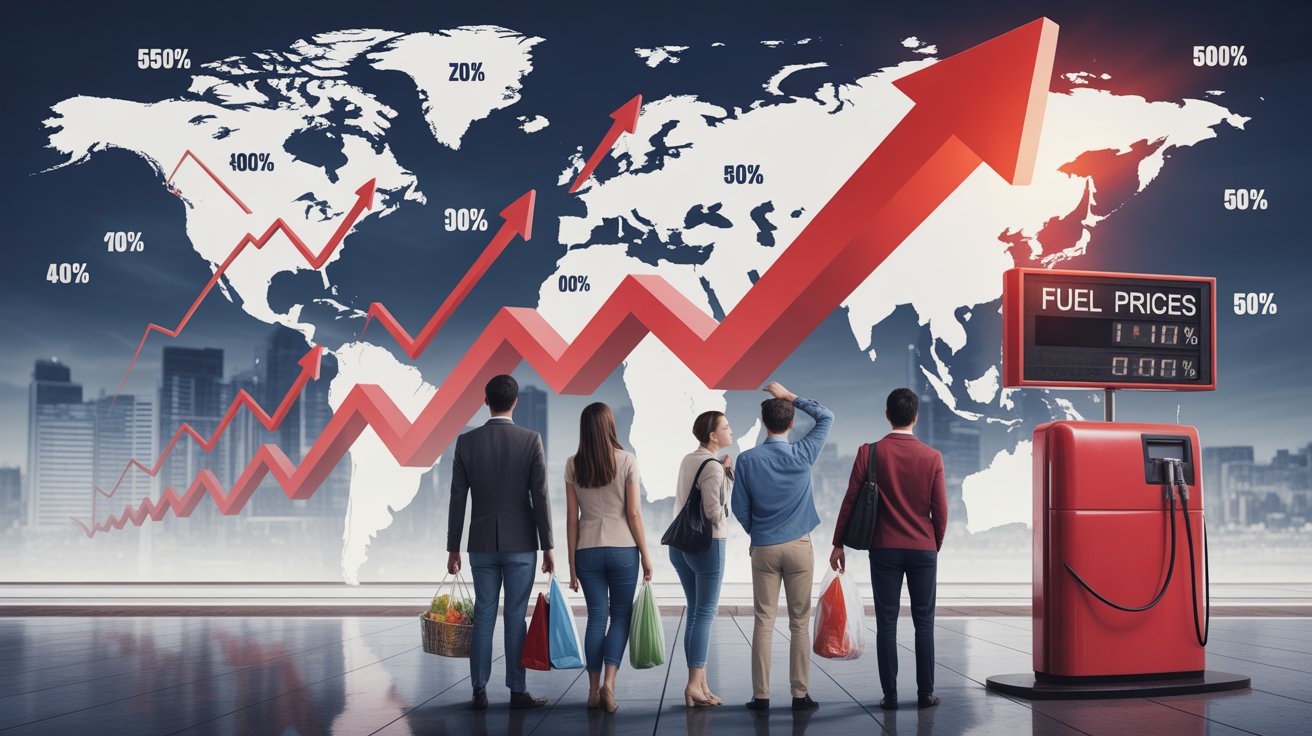

In recent years, the global inflation crisis has become one of the most talked-about economic issues worldwide. From rising grocery bills to increasing fuel prices, people everywhere are feeling the pressure. But what does inflation really mean for your everyday life?
Let’s break it down in a simple, engaging, and practical way.
Simply put, inflation is the increase in prices over time. As inflation rises, the value of money decreases, meaning you can buy less with the same amount.
For example, if you could buy groceries for $50 last year, today you might need $70 for the same items.
👉 In other words, your money is losing its power.
Several global factors are driving inflation. Firstly, supply chain disruptions have made goods more expensive. Secondly, geopolitical tensions have increased fuel and energy costs. Additionally, after the pandemic, demand surged faster than supply.
As a result, prices across sectors—food, housing, transport—have skyrocketed.
Most noticeably, inflation hits your daily expenses. Groceries, rent, electricity bills—everything becomes more expensive.
👉 Consequently, families are forced to cut down on spending.
Unfortunately, money sitting in your bank account loses value over time due to inflation.
For instance, if inflation is 10% and your savings grow by only 5%, you are actually losing money.
Not surprisingly, higher expenses lead to financial stress. People may struggle to maintain their lifestyle.
As a result, budgeting becomes more important than ever.
To control inflation, governments often increase interest rates.
👉 This means loans, mortgages, and credit cards become more expensive.
In some cases, businesses reduce hiring or cut costs to survive inflation.
Therefore, job security can become uncertain.
While everyone feels inflation, some groups are hit harder:
👉 In contrast, people with investments may cope better.
First and foremost, track your expenses. Cut unnecessary spending and focus on essentials.
Instead of keeping all money in savings, consider investments like stocks, real estate, or gold.
👉 This helps your money grow faster than inflation.
Additionally, explore side hustles, freelancing, or skill development.
Because ultimately, higher income can balance rising costs.
Since interest rates rise, avoid taking loans unless necessary.
For example, buy in bulk, look for discounts, and compare prices.
👉 Small savings add up over time.
Looking ahead, economists believe inflation may gradually stabilize, but it won’t disappear overnight.
However, global uncertainties—like wars, energy crises, and climate issues—can still affect prices.
👉 Therefore, staying financially prepared is essential.
The global inflation crisis is not just an economic term—it’s something that directly impacts your daily life.
From the food you eat to the bills you pay, everything is affected.
However, by understanding inflation and taking smart steps, you can protect your finances and stay ahead.