
 11
11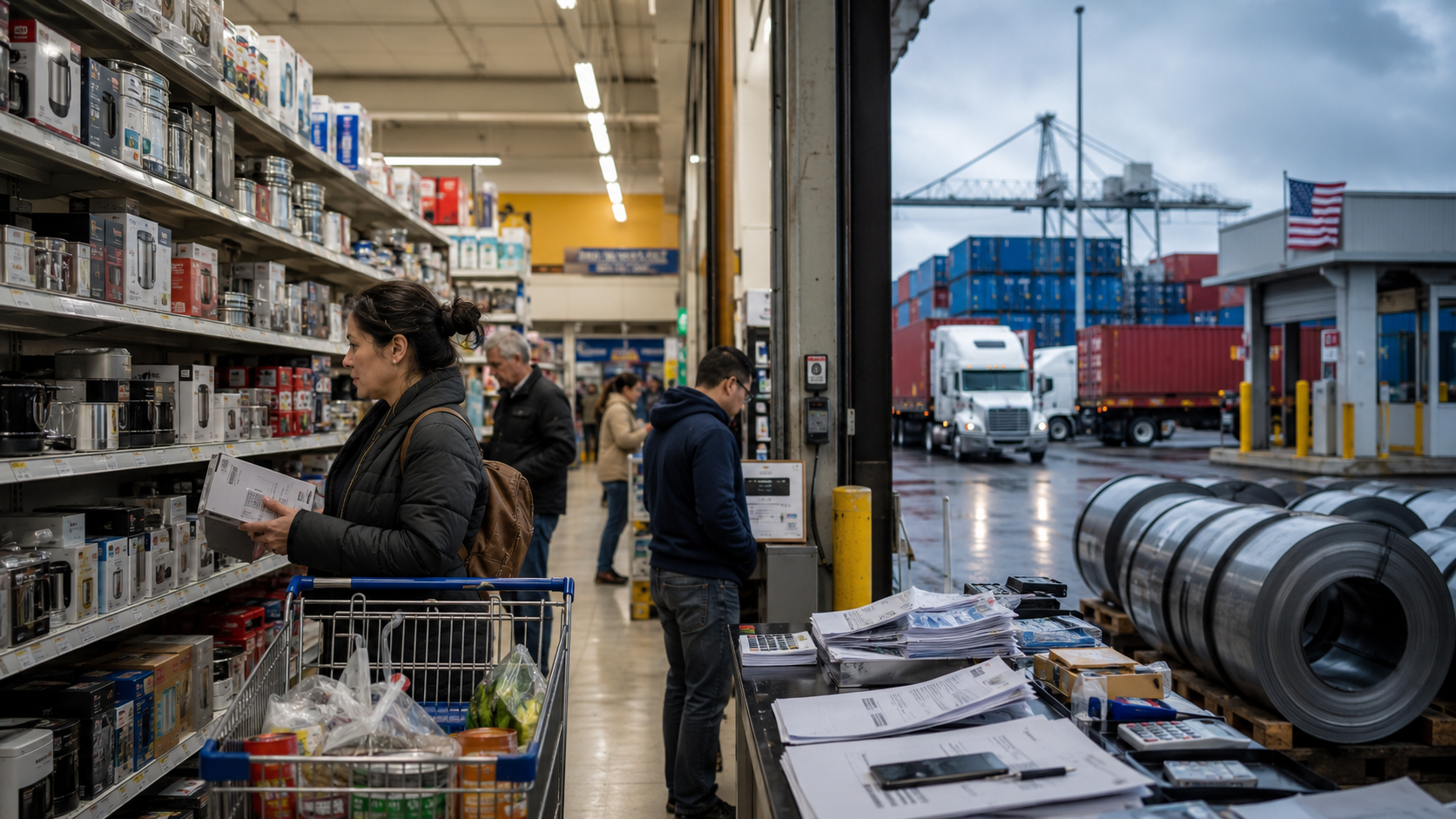
When governments announce new tariffs, the first reaction is often political: Who is being punished, and why? But there is another question that matters much more to ordinary people:
Who actually pays for tariffs?
The answer is more complicated than many headlines suggest. A tariff is a tax placed on imported goods. Governments may introduce tariffs to protect domestic industries, encourage local production, reduce dependence on foreign suppliers, or gain leverage in international trade negotiations.
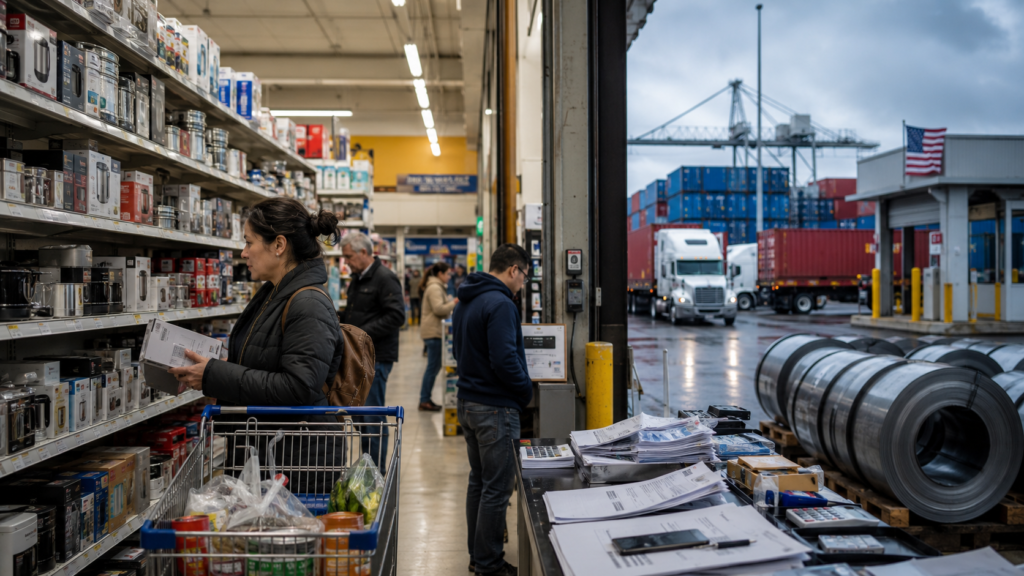
However, tariffs do not simply stop at the border. Instead, they can create a ripple effect throughout the economy. Importers may face higher costs. Manufacturers may pay more for materials. Retailers may adjust their prices. Businesses may change suppliers. And eventually, consumers can feel the impact when everyday products become more expensive.
In other words, a tariff imposed on a foreign product can eventually become a price problem for people at home. So, how exactly does this happen?
A tariff is essentially a tax charged on imported goods. For example, imagine an American company imports a product from another country worth $100. If the government imposes a 20% tariff on that product, the importer could owe $20 in tariff charges. The imported product therefore enters the country with an additional cost.
However, this does not automatically mean the foreign company pays the entire $20. The financial burden can move through several parts of the supply chain. The importer might absorb some of it. The foreign supplier might lower its price to remain competitive. The retailer might accept a smaller profit margin. Or, perhaps most importantly, the final price paid by consumers may increase. Therefore, tariffs can function like an economic domino effect. One policy decision at the border can eventually influence prices inside supermarkets, stores, factories, and online marketplaces.
This is one of the biggest misconceptions about tariffs. Many people assume that when the United States places a tariff on Chinese, Canadian, Mexican, or European goods, the foreign country simply sends the tariff money to the U.S. government. That is not quite how the process works. The tariff is generally collected from the importer bringing the product into the country.
Suppose a U.S. company imports $1 million worth of goods subject to a 25% tariff. The importer could face $250,000 in tariff charges. That company then has several choices.
It can:
In reality, the outcome can vary from product to product. Nevertheless, when tariffs remain high for an extended period, businesses often look for ways to recover at least part of the additional expense. That is where consumers can begin to feel the hidden cost of tariffs.
The connection between tariffs and consumer prices can happen through several stages.
The most obvious effect happens first. When a tariff is applied to an imported product, the cost of bringing that product into the country increases. If a retailer previously paid $50 for an imported item and suddenly faces an additional tariff, the retailer’s original pricing structure may no longer work.
Something has to change.
The retailer may increase the selling price. Therefore, a product that once cost consumers $60 could eventually become noticeably more expensive.
The impact does not stop with finished products. Many manufacturers rely on imported raw materials and components.
A company might manufacture a product domestically while importing:
If tariffs make those inputs more expensive, the manufacturer’s production costs rise. Consequently, the company may increase the price of its finished product. This is one reason tariff-driven inflation can spread far beyond the original imported product. A tariff on steel, for example, can influence the cost of products that use steel even when those products are manufactured domestically.
This is where tariffs become particularly important. Imagine a tariff increases the price of steel. A manufacturer uses that steel to produce machinery. A farmer buys the machinery. The farmer then faces higher production costs. Food processors purchase the farmer’s products. Supermarkets purchase the processed food.
Finally, consumers purchase the food. One tariff can therefore travel through several layers of the economy before reaching the household. This cascading impact is why economists pay close attention to tariffs even when the original tariff applies to only a specific category of goods. The border is only the beginning.
Interestingly, tariffs can sometimes increase the prices of products that are not directly imported. Why? Because domestic companies may face less competition from foreign producers. Suppose an imported product suddenly becomes much more expensive because of a tariff. A domestic competitor now has an opportunity. The company may raise its own price because consumers have fewer affordable alternatives. Therefore, tariffs can sometimes provide domestic producers with greater pricing power.
This can be beneficial for certain industries because it may encourage local production. However, consumers may have to pay more as a result. Protection for one industry can therefore create additional price pressure somewhere else.
Food prices can be particularly sensitive to trade policies. Modern food production depends on an enormous international supply network.
A grocery store may sell products that involve imported:
If tariffs raise the cost of these materials, food producers may eventually face higher operating expenses. That can contribute to higher prices. However, it is important to remember that tariffs are only one factor affecting food prices. Weather, fuel costs, wages, transportation, supply shortages, exchange rates, and global commodity prices can all play major roles. Therefore, it would be misleading to blame every increase in grocery prices on tariffs. Instead, tariffs should be understood as one possible source of additional price pressure.
The automobile industry provides an excellent example of how tariffs can create a complex economic shockwave. Modern vehicles are rarely made entirely in one country. A car may contain parts manufactured across several countries before the vehicle reaches a consumer.
These components can include:
If tariffs increase the cost of imported components, automakers may face higher production costs. Those costs can eventually appear in the price of new vehicles. The effects can also spread into the used-car market. If new cars become significantly more expensive, some consumers may postpone purchases. That can increase demand for used vehicles, potentially putting additional pressure on used-car prices.
Technology products are another important category. Smartphones, laptops, televisions, gaming devices, and other electronics depend on international manufacturing networks. Even when a product is assembled domestically, many components may come from overseas. A tariff affecting one part of that supply chain can therefore increase costs.
Businesses may respond by:
Consumers may notice the change through higher prices or fewer inexpensive options.
This distinction is extremely important. A tariff can increase the price of certain goods. But that does not necessarily mean it will create persistent economy-wide inflation. Inflation refers to a broader and sustained increase in the general price level. A tariff may produce a one-time price increase in particular products.
However, if tariff-related costs spread across multiple industries and continue influencing wages, investment, supply chains, and expectations, the effect can become more significant. Therefore, economists examine not only whether tariffs raise prices, but also how large the effect is and how long it lasts. A tariff can create an inflationary pulse without necessarily becoming the sole cause of long-term inflation.
Not every tariff results in a price increase. Businesses sometimes choose to absorb the additional expense. Why? Because raising prices can cause customers to leave. Imagine two competing companies selling similar products. If one company increases its price significantly while the other keeps prices stable, consumers may switch brands. Therefore, a business may decide that accepting a smaller profit margin is better than losing customers. However, this strategy has limits.
If tariffs remain high for months or years, companies may find it increasingly difficult to absorb the additional costs. Eventually, the pressure can become too substantial to ignore.
Large corporations often have more options. They may negotiate with suppliers, change manufacturing locations, or purchase materials in huge quantities. Small businesses may not have the same flexibility. A small retailer importing products can face a sudden increase in costs without having enough negotiating power to secure a cheaper supplier.
As a result, small businesses may have to choose between higher prices, lower profits, or fewer products. This is why tariff policies can have an uneven impact across the economy.
When prices rise, consumers react.
They may:
This behavior change can create another economic ripple. For example, if consumers stop buying expensive imported appliances, retailers may reduce orders. Manufacturers then receive fewer purchases. Workers may experience reduced hours. Therefore, the economic consequences of tariffs can extend beyond the original price increase.
Yes, but the situation is more complicated. Tariffs are sometimes introduced to encourage domestic production. If domestic companies expand production, competition among local producers could eventually increase.
Furthermore, if a country becomes less dependent on vulnerable overseas supply chains, it may become more resilient during international disruptions. However, building new factories takes time. A tariff does not instantly create a competitive domestic industry. Companies need investment, workers, infrastructure, technology, and reliable suppliers. Therefore, consumers may experience higher prices in the short term before any potential long-term benefits appear.
If tariffs can raise prices, why do governments use them? There are several reasons.
Governments may want to protect industries facing intense foreign competition.
Tariffs can make imported products less competitive and potentially encourage businesses to manufacture locally.
Certain industries, such as steel, energy, semiconductors, and critical minerals, may be considered strategically important.
Governments can also use tariffs as a bargaining weapon during international negotiations.
The idea is simple:
If another country wants access to a large consumer market, tariffs can create pressure to negotiate. However, the other country may retaliate. And that is where trade disputes can become complicated.
Suppose Country A imposes tariffs on Country B. Country B may respond by imposing its own tariffs on products from Country A. This is known as retaliation. The result can become a cycle:
Tariff → Higher costs → Retaliation → More tariffs → Greater uncertainty → More price pressure.
This is why prolonged trade conflicts can become economically disruptive. Businesses may struggle to predict future costs. Consumers may face higher prices. Investors may delay decisions. And supply chains may become more complicated.
Perhaps the most overlooked effect of tariffs is uncertainty. A company planning to build a factory may hesitate if it does not know what tariff rates will exist next year. An importer may delay a major order. A retailer may avoid stocking certain products. A manufacturer may search for suppliers in multiple countries. These decisions can reduce efficiency. Even before prices rise, uncertainty can quietly reshape the economy.
Consumers cannot control government tariff policy, but they can reduce the impact on their household budgets. First, compare prices before making major purchases.
Secondly, look for domestic alternatives when imported products become significantly more expensive. Third, avoid panic buying. When people hear that prices may rise, they sometimes purchase more than they actually need. That can make household finances worse.
It is also useful to:
Most importantly, focus on total value rather than simply choosing the cheapest product available.
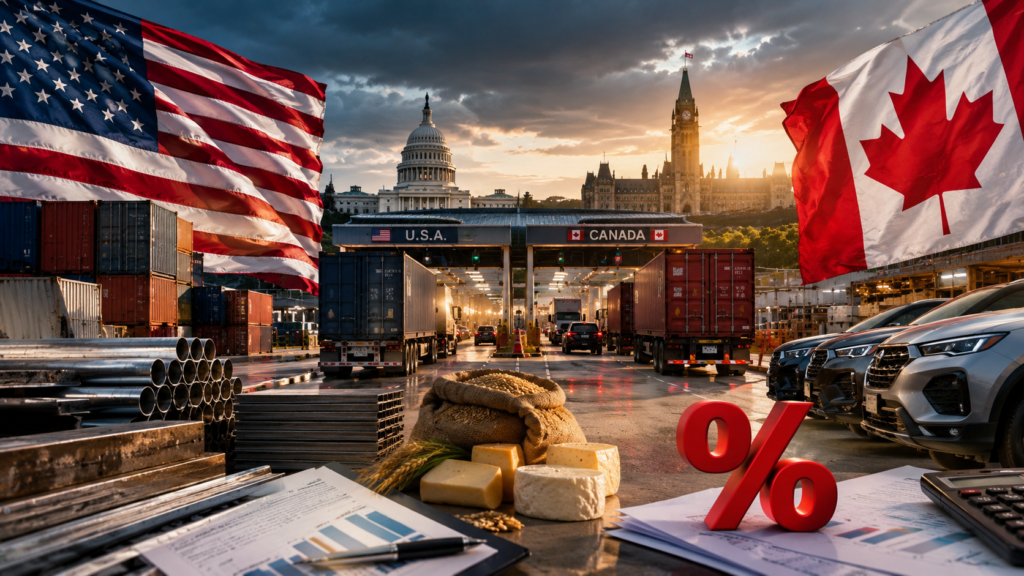
Why Trump Is Imposing a 50% Tariff on Canada and Canada’s Reply
Tariffs are neither automatically good nor automatically bad. Their effects depend on why they are introduced, how high they are, how long they remain in place, and how businesses and trading partners respond. A carefully targeted tariff may help a strategic domestic industry.
On the other hand, broad and prolonged tariffs can create significant economic friction. The same policy can therefore benefit one group while hurting another.
Domestic manufacturers may gain protection, while importers and consumers may face higher costs.
That trade-off is at the heart of every serious tariff debate.
In the end, tariffs may begin at the border, but their economic consequences can reach the household. A new import tax can increase the cost of materials, disrupt supply chains, change business decisions, and eventually influence the prices consumers see in stores. However, the relationship is not always immediate or straightforward.
Businesses may absorb some costs. Suppliers may reduce prices. Consumers may switch products. Domestic companies may increase production. Trading partners may retaliate. That is why the true impact of tariffs is best understood as a chain reaction rather than a single price increase. Ultimately, the question is not simply:
“Who pays the tariff?”
The more important question is:
“How does the cost move through the economy—and where does it finally land?”
For consumers, that answer can determine everything from the price of groceries and cars to electronics, appliances and everyday household goods. And when tariffs remain in place long enough, the hidden cost can become impossible to ignore.
They can. Tariffs increase the cost of importing affected goods, and businesses may pass some or all of that additional cost to consumers.
The tariff is generally collected from the importer, but the economic burden can be shared among importers, suppliers, businesses, and consumers.
Tariffs can contribute to inflationary pressure, especially when they affect widely used goods and production inputs. However, tariffs are only one of many factors that influence overall inflation.
Yes. Domestic producers may face higher costs if imported raw materials or components become more expensive. They may also gain greater pricing power when foreign competition becomes more expensive.
Governments may use tariffs to protect domestic industries, encourage local manufacturing, strengthen supply-chain security, raise negotiating leverage, or respond to unfair trade practices.
Potentially. If tariffs successfully encourage domestic production and create stronger local supply chains, consumers could benefit over the long term. However, those benefits are not guaranteed and may take years to develop.
Retaliatory tariffs are designed to pressure the other country economically and politically. They can also protect domestic industries affected by the original tariffs.