

 11
11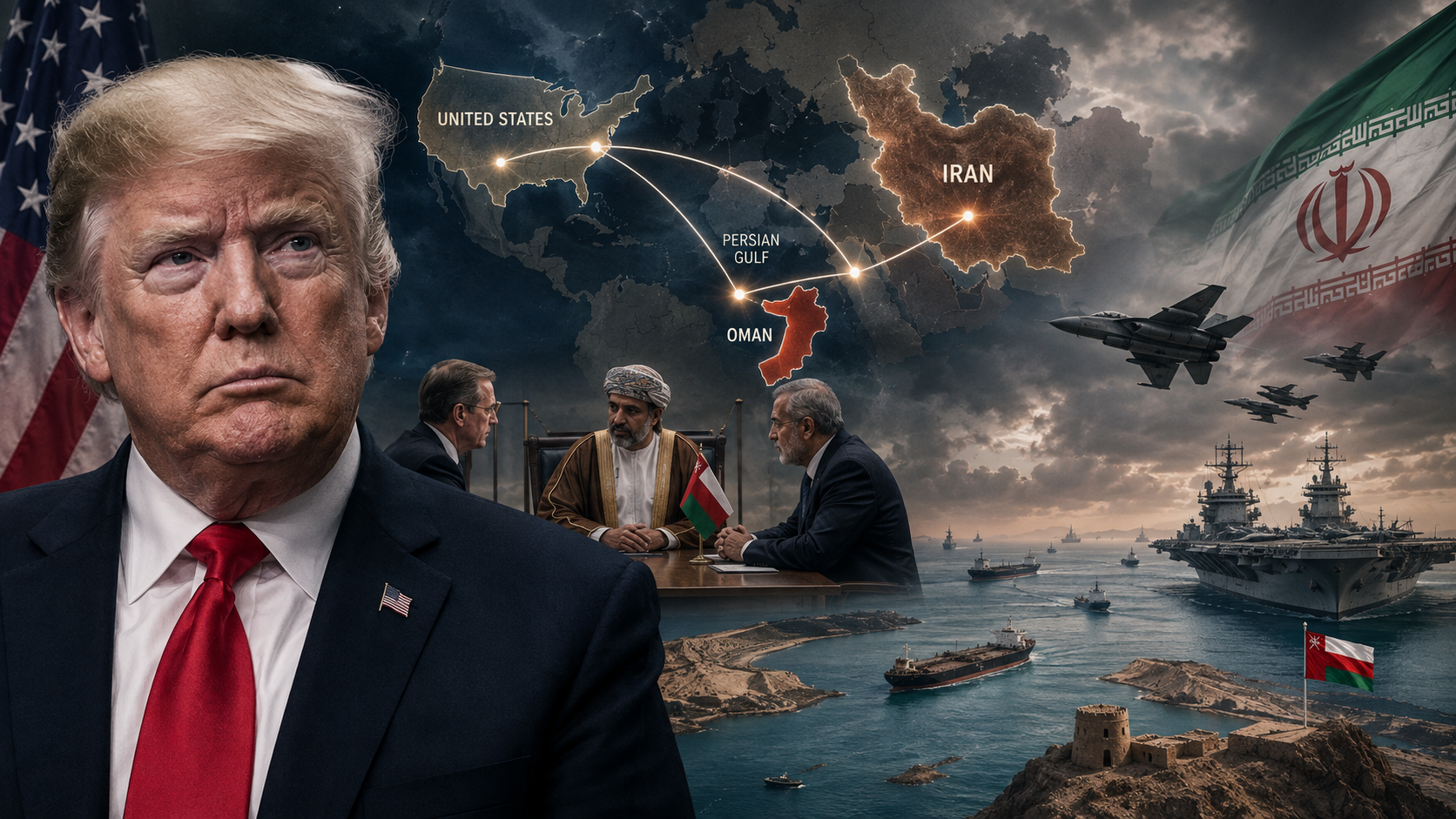
The deadline was supposed to create breathing room. Instead, it has left Washington and Tehran further apart.
The latest phase of the US-Iran standoff began with a temporary diplomatic arrangement that was meant to stop the fighting, ease pressure around the Strait of Hormuz and give both sides time to work toward a broader agreement. That 60-day window has now expired, but the difficult questions at the heart of the confrontation remain unresolved.
President Donald Trump has responded with some of his strongest language yet, demanding that Iran raise a white flag of surrender. Tehran, meanwhile, has shown little interest in accepting that framing and has continued preparing for the possibility of a prolonged military confrontation, including potential ground operations.
There is also a growing diplomatic complication.
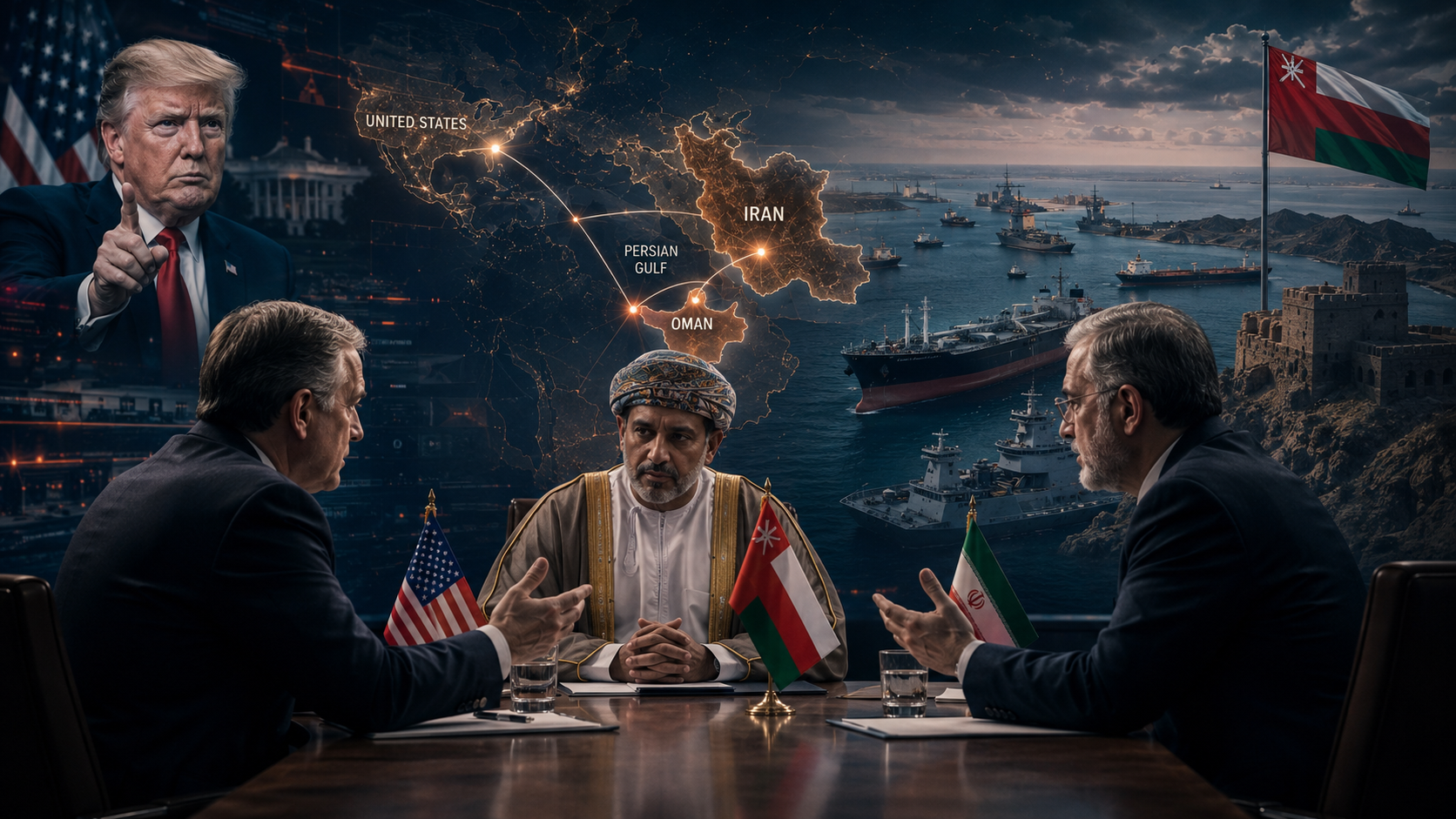
Oman, which has played an important role in keeping communication open between Washington and Tehran, has come under pressure from Trump over its mediation efforts. That puts one of the few remaining channels for indirect diplomacy in an increasingly uncomfortable position.
So, while the fighting and threats remain the most visible part of the story, the more important question may be what happens to diplomacy when neither side appears willing to be the one that backs down first.
The current dispute goes back to a memorandum of understanding reached in June.
The arrangement was intended to provide a temporary framework for stopping military operations and moving the two countries toward a more permanent settlement. It also involved the reopening of the Strait of Hormuz and further discussions over Iran’s nuclear program.
The idea was relatively simple: stop the immediate escalation, create enough stability for talks to continue, and use the following 60 days to work through the much harder issues.
That did not happen.
The deadline has now passed without a comprehensive agreement.
Instead, Washington and Tehran remain divided over the same fundamental questions that brought them into confrontation in the first place. The status of Iran’s nuclear program remains unresolved. The Strait of Hormuz remains politically sensitive. Sanctions and security guarantees are still major issues, and neither government appears prepared to make the kind of concession that could quickly close the gap.
The expiration of the memorandum does not automatically mean negotiations are over. But it does remove one of the clearest diplomatic milestones the two sides had been working toward.
And that matters because temporary arrangements are much easier to maintain when both sides believe they are moving toward something better.
Right now, that confidence appears to be fading.
Trump’s call for Iran to “wave the white flag” is about more than choosing tough words.
It tells Tehran how Washington currently views the balance of power.
Trump has repeatedly argued that Iran has suffered serious military damage and should now accept the reality of its position. His latest remarks, coming as the diplomatic deadline expired, reinforce the idea that the White House wants Iran to negotiate from a position of weakness rather than equality.
From Washington’s perspective, that pressure may be intended to force Tehran into making concessions that it has previously resisted.
But there is an obvious difficulty.
Iran is unlikely to describe surrender as a negotiation.
For Iranian leaders, accepting the language of capitulation could carry enormous political consequences at home. Even if Tehran were prepared to compromise on specific issues, agreeing to terms publicly presented as surrender could make those compromises much harder to sell domestically.
This is one of the recurring problems in high-stakes diplomacy.
A government can accept painful concessions. What it cannot always accept is appearing to have been defeated.
That distinction may become increasingly important as the United States tries to turn military pressure into a political settlement.
Iran’s response has been almost the opposite of Washington’s message.
Rather than signaling that it is ready to capitulate, Tehran has continued to maintain its military posture and prepare for the possibility that the confrontation could last much longer.
Reports have pointed to preparations for a prolonged conflict, including efforts to preserve military capabilities and plans for possible escalation. The possibility of ground operations has added another layer of concern to an already dangerous situation.
A ground campaign would represent a major change from a conflict dominated by airstrikes, missiles, drones and maritime pressure.
It would require troops, supply lines, logistics and sustained military commitments.
That is precisely why the possibility is being watched so closely.
A prolonged ground conflict involving Iran would not be easy to contain within Iran’s borders. The country sits in one of the world’s most strategically sensitive regions, surrounded by important shipping routes, U.S. military facilities, regional powers and armed groups with their own interests.
One escalation could quickly create another.
Why Trump’s Threat Against Oman Matters
If there is one country that has repeatedly shown why quiet diplomacy matters in the Middle East, it is Oman.
Muscat has maintained working relationships with both the United States and Iran for years. That has allowed Oman to serve as a useful intermediary when Washington and Tehran have struggled to communicate directly.
During the current crisis, that role has become particularly important.
Oman has been involved in efforts to keep negotiations alive and has worked on issues surrounding the Strait of Hormuz. Other countries, including Qatar and Pakistan, have also played diplomatic roles at different points.
But Trump’s latest warnings to Oman complicate that process.
Trump has accused Muscat of potentially getting in the way of American efforts to resolve the conflict and has threatened consequences if Oman obstructs Washington’s objectives.
For Oman, the situation is difficult.
Its value as a mediator comes precisely from its ability to maintain relationships with different sides. If it is seen as taking one side too strongly, that credibility can disappear.
And once trust in a mediator is lost, rebuilding it can take years.
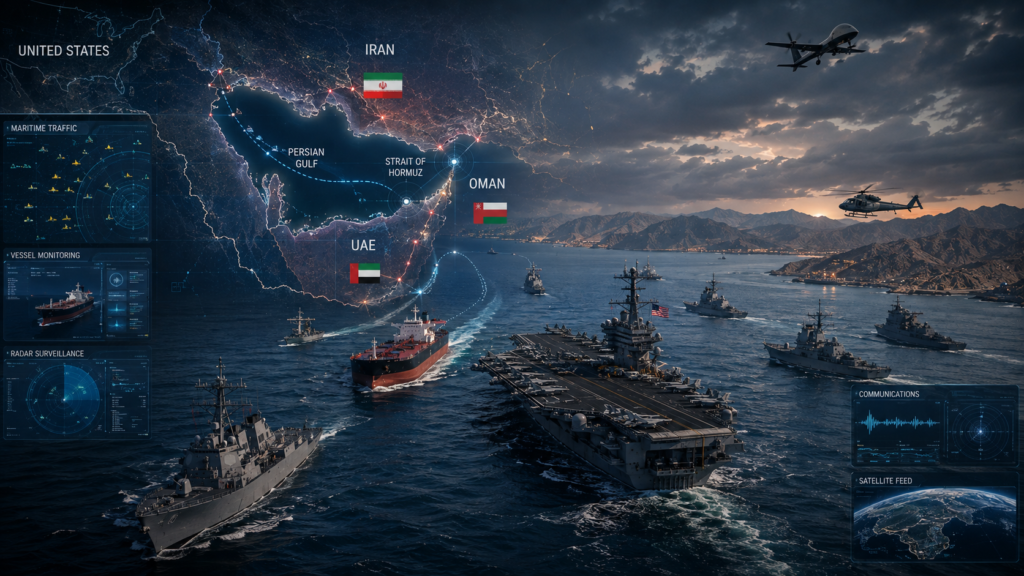
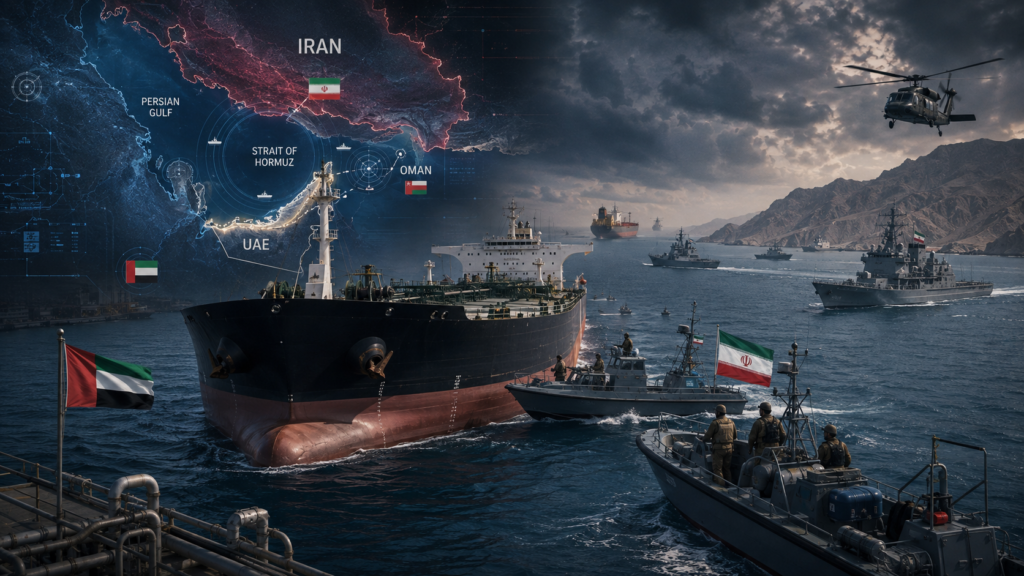
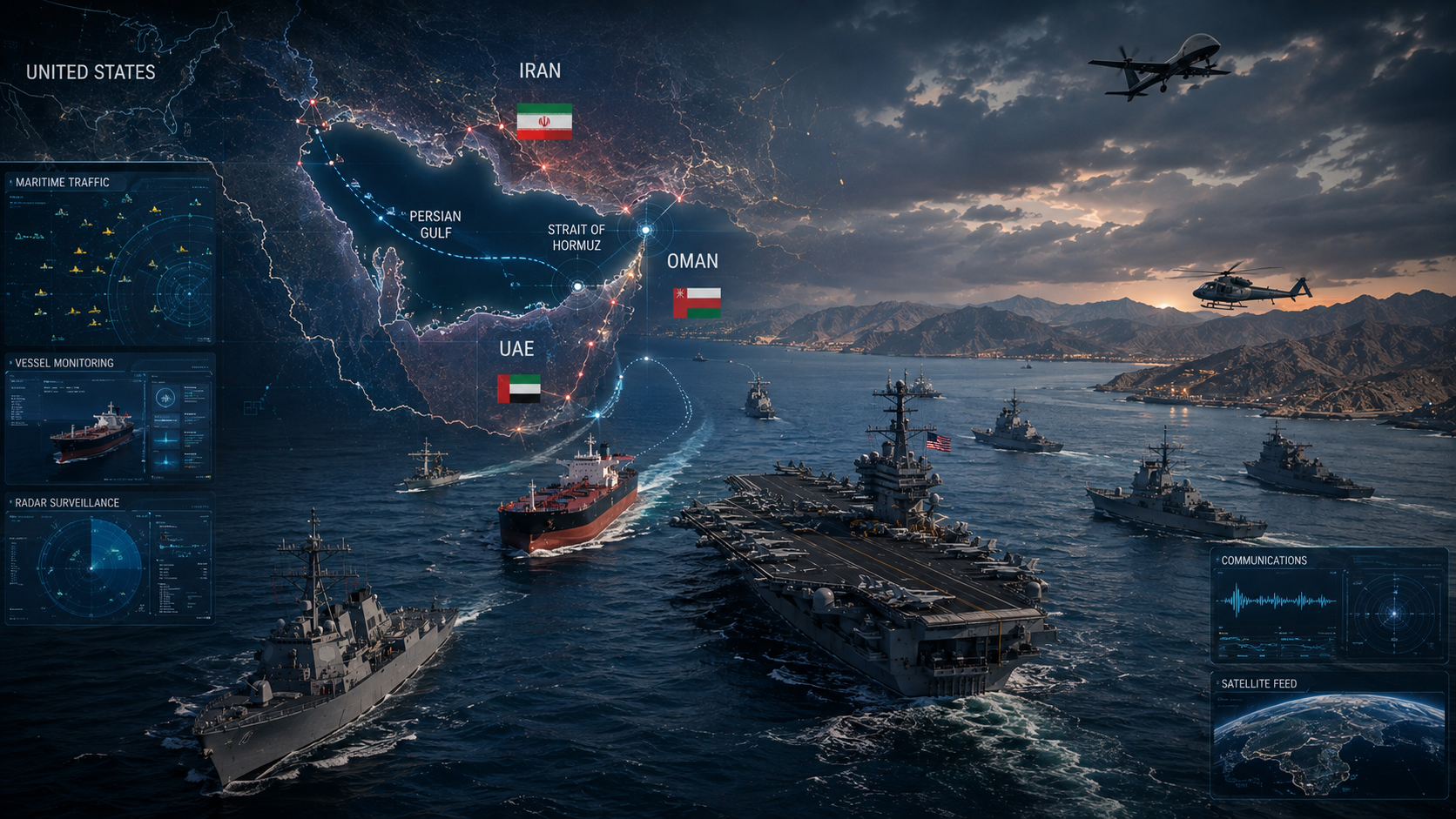
Much of the current diplomatic argument comes down to one narrow waterway.
The Strait of Hormuz connects the Persian Gulf with the Gulf of Oman and is one of the most important routes for global energy shipments.
That makes the dispute far bigger than a disagreement between Washington and Tehran.
When traffic through Hormuz becomes uncertain, shipping companies have to consider whether vessels can travel safely, whether insurance costs will rise, whether routes need to change and whether cargoes could become caught up in military action.
Energy markets react to that uncertainty too.
The political disagreement is partly about control and security.
Iran wants its strategic interests and role in the waterway recognized. The United States wants commercial shipping to move freely without Tehran being able to use the strait as a political or military lever.
Those positions are difficult to reconcile.
And because the strait is so important to international trade, even a limited disruption can have consequences far beyond the Persian Gulf.
For governments, the Strait of Hormuz is a geopolitical issue.
For shipping companies, it is a business risk.
A company moving cargo through the region needs predictable conditions. It needs to know whether a vessel will be allowed to pass, whether it could be inspected or stopped, and whether insurance coverage will remain available.
The uncertainty itself can raise costs.
That can eventually reach consumers through higher transportation and energy prices.
This is why the international community has such a strong interest in keeping the waterway open.
A military confrontation between two governments can remain geographically limited for a while. A disruption to a major international shipping route is different.
Its effects can travel around the world.
The possibility of Iranian ground operations is particularly concerning because ground warfare tends to be more difficult to control than limited air or naval confrontations.
Airstrikes can be conducted over a relatively short period. Ground operations require troops to remain in contested areas and create much more complicated logistical and political problems.
There is also a greater possibility of casualties.
Once troops are committed, leaders can face pressure to expand operations when the original objective proves harder to achieve than expected.
That is how conflicts become longer than planned.
Iran’s geography would make any ground campaign particularly complicated. Its size, terrain, and population would create challenges for any military attempting to conduct sustained operations.
It would also increase the likelihood of regional spillover.
Countries that are not direct participants could still find themselves dealing with refugees, attacks on infrastructure, disruptions to trade or pressure from armed groups.
There is a strange contradiction at the heart of the current crisis.
Washington appears to want Iran to make major concessions, but it also wants an agreement.
Tehran wants negotiations, but it does not want negotiations framed as surrender.
Oman wants to keep the diplomatic process alive, but its own role is now being questioned by Washington.
That leaves very little room for the kind of quiet compromise that usually makes difficult diplomacy possible.
A successful negotiation does not necessarily require both sides to like the final agreement.
It requires both sides to believe that accepting the agreement is better than continuing the conflict.
At the moment, the incentives are not aligned that way.
Iran may believe that continued resistance is preferable to accepting humiliating terms. The United States may believe that continued pressure is the best way to force Tehran to change its position.
If both assumptions remain unchanged, another round of confrontation becomes more likely.
A temporary ceasefire would not solve the larger dispute.
A lasting agreement would have to address several issues at once.
This remains one of Washington’s biggest concerns.
The United States wants verifiable limits that prevent Iran from moving toward a nuclear weapon. Iran, meanwhile, wants recognition of its right to peaceful nuclear activity and relief from sanctions.
The difficult part is verification.
Any agreement would need mechanisms that both sides consider credible.
Shipping arrangements would also need to be clear.
Vague promises would not be enough for international shipping companies or regional governments.
They would need predictable rules governing access and security.
Both countries would also need some understanding of what military actions would trigger retaliation.
Without such arrangements, even a relatively small incident could threaten the entire agreement.
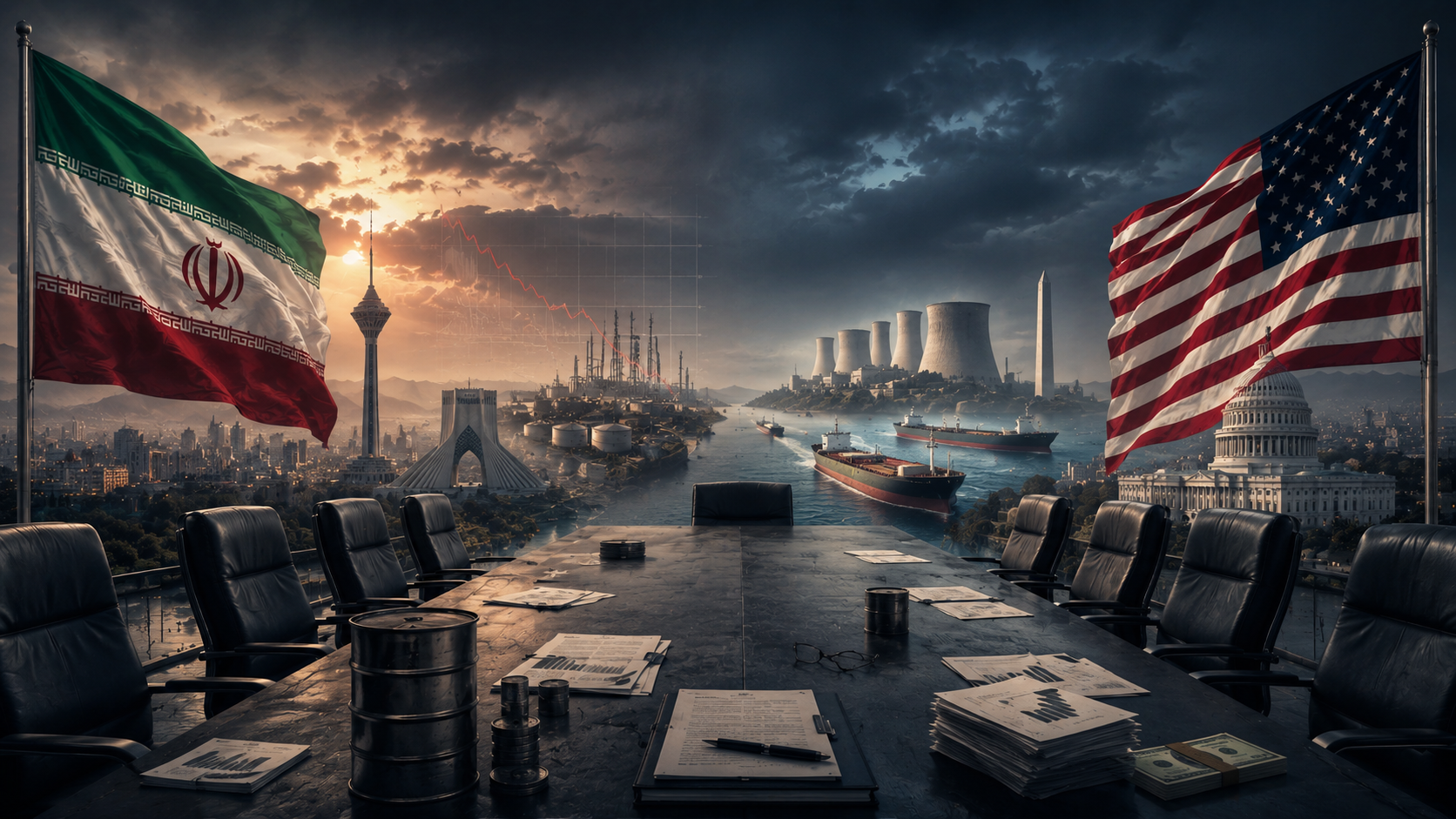
Iran is likely to seek meaningful economic relief.
The United States, however, would want concessions significant enough to justify lifting or reducing sanctions.
That creates a basic negotiating trade-off: Iran wants proof that compromise produces economic benefits, while Washington wants proof that economic relief will produce lasting Iranian concessions.
This may be among the hardest issues.
Iran could seek assurances against another major attack. The United States would want guarantees that Iran cannot rebuild capabilities that Washington considers a direct threat.
There is no easy formula for resolving that mistrust.
Despite all the threats, it would be premature to say diplomacy has completely collapsed.
That distinction matters.
Trump has previously paused military action to allow negotiations to continue. Regional governments are still trying to keep communication channels open. Oman remains involved in efforts surrounding the Strait of Hormuz.
Those facts suggest that neither side has completely abandoned the possibility of a deal.
But diplomacy can survive only if there is enough space for both sides to change their positions without appearing to surrender.
That may be the hardest part now.
Public statements have become so aggressive that even a relatively modest compromise could be portrayed as a defeat.
For Tehran, that is politically dangerous.
For Washington, it could undermine Trump’s argument that maximum pressure forced Iran to give in.
A wider conflict would create consequences that neither side could easily control.
The immediate risks would include further attacks on military facilities and infrastructure, disruption around the Strait of Hormuz and increased pressure on neighboring countries.
But the longer-term effects could be even broader.
A prolonged conflict could affect:
There is also the possibility of other armed groups becoming involved.
That is where the current crisis becomes particularly dangerous. The United States and Iran do not exist in isolation. Each has relationships, partners and adversaries across the region.
A conflict between two governments can therefore become a network of smaller conflicts.
The next stage of the crisis will probably be determined by a handful of developments.
First, watch the Strait of Hormuz. A sustained reopening would be one of the clearest signs that diplomacy is still functioning.
Second, watch Oman. If Muscat can continue communicating with both sides despite the pressure, it may remain one of the few useful channels for indirect negotiations.
Third, watch Iran’s military posture. Any major move toward ground operations would signal a serious escalation.
Fourth, watch Washington’s next military decision. Another pause could reopen diplomatic space. A major escalation would make negotiations much harder.
Finally, watch the nuclear issue. Even if the immediate military crisis is contained, the nuclear dispute will remain one of the central reasons the United States and Iran keep returning to confrontation.
Trump has adopted a hardline position toward Tehran and has argued that Iran should end the confrontation by surrendering. His latest demand came as the 60-day diplomatic period associated with the June memorandum expired without a permanent agreement.
The memorandum was intended to create a temporary framework for stopping military operations, reopening the Strait of Hormuz and moving toward broader negotiations, including discussions over Iran’s nuclear program.
Oman has maintained relationships with both Washington and Tehran for years. That gives Muscat a diplomatic position that allows it to carry messages and facilitate discussions when direct communication becomes difficult.
It is a major international energy and shipping route. Disruption can affect oil and gas supplies, shipping costs, insurance, and energy prices around the world.
The possibility cannot be dismissed while both sides maintain military preparations. A ground campaign would represent a much larger escalation than air or maritime operations and could make the conflict considerably harder to contain.
Not necessarily. The expiration of the 60-day arrangement is a setback, but regional mediation and indirect communication can continue even after a formal diplomatic deadline passes.
The two sides disagree over several interconnected issues, particularly Iran’s nuclear program, sanctions, military security, the Strait of Hormuz, and the terms under which negotiations would take place.
The most worrying thing about the US-Iran standoff is not simply the harsh language coming from Washington or the military preparations in Tehran.
It is the shrinking space between those two positions.
Trump is demanding surrender. Iran is preparing for the possibility that the confrontation could continue. Oman is trying to keep a diplomatic channel alive while facing pressure of its own. Meanwhile, the Strait of Hormuz remains caught between military strategy, national sovereignty and the practical needs of international commerce.
The expiration of the 60-day memorandum was never going to solve decades of mistrust by itself. But it was supposed to create momentum toward a larger agreement. That momentum now appears much weaker.
Still, there is a difference between a failed deadline and a completely failed diplomatic process.
If Washington and Tehran can find a way to separate the language of surrender from the substance of negotiation, there may still be a path forward. That could begin with something practical: keeping the Strait of Hormuz open, reducing immediate military risks and rebuilding enough trust for the nuclear question to be discussed seriously.
If they cannot, the conflict may move in the opposite direction.
And once ground operations, wider regional involvement and prolonged disruption to global shipping become part of the picture, bringing the crisis back under diplomatic control will become considerably harder.
For now, the real test is whether either side can make room for compromise without believing that compromise means defeat.
One thought on “US-Iran Standoff: Trump Demands Iran Surrender as Talks Stall”