

 11
11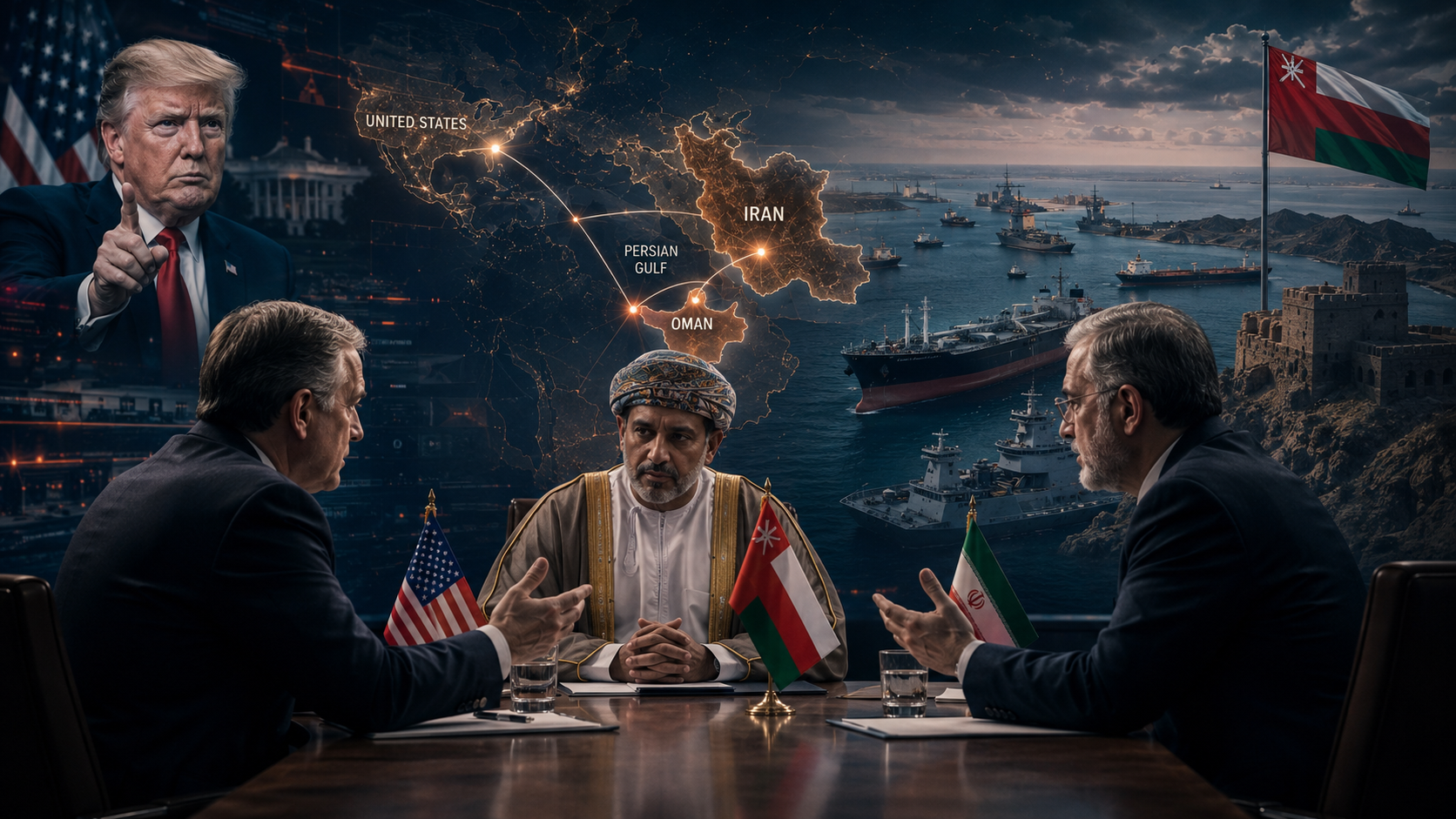
For decades, Oman has built its influence in the Middle East in a way that is easy to overlook. It has not tried to dominate the region, and it rarely seeks attention. Instead, Muscat has quietly maintained relationships with countries that often struggle to speak to one another.
That quiet role has become much harder to maintain.
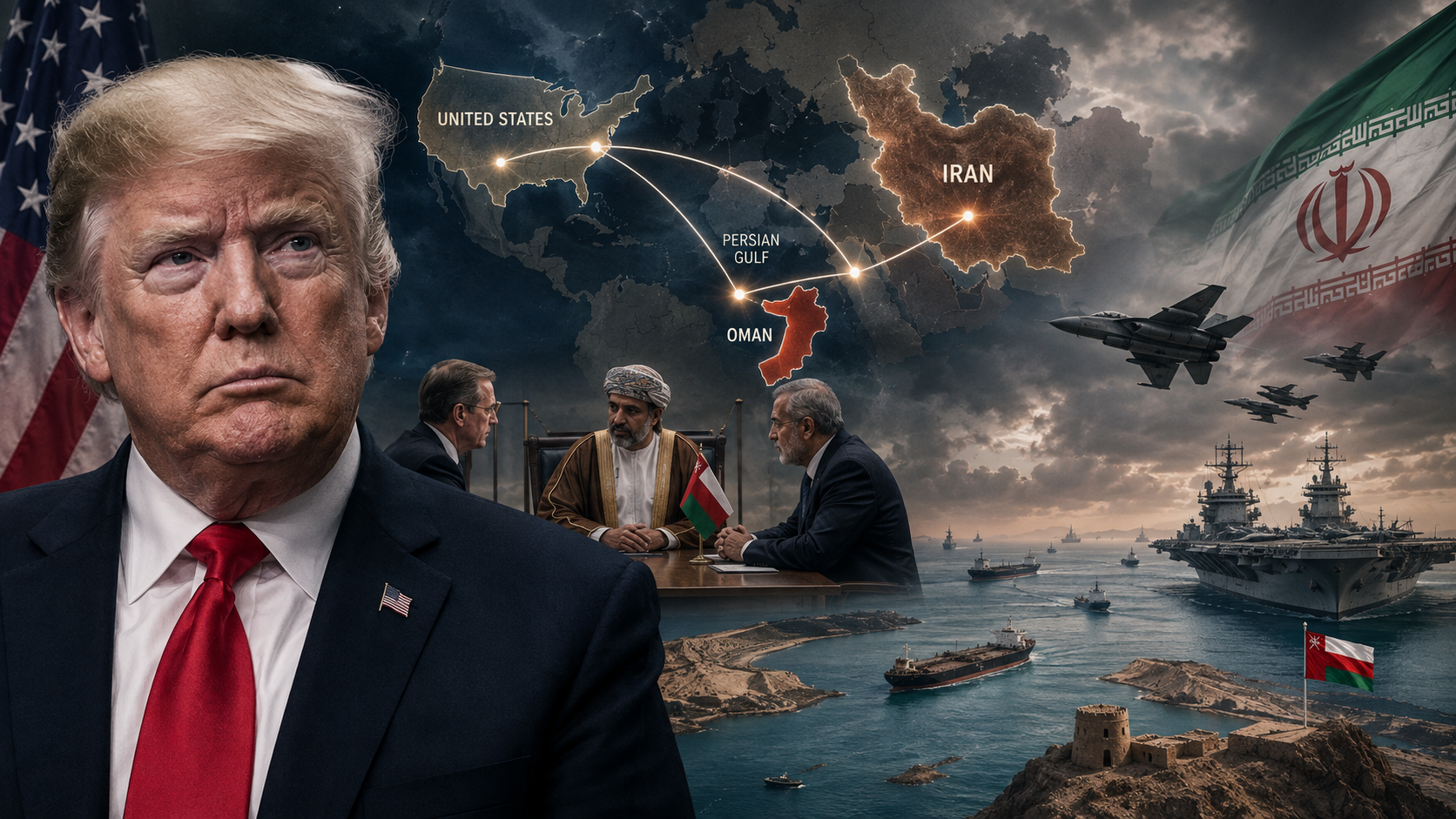
As the US-Iran standoff intensifies, Oman has found itself in the middle of a dispute involving Washington, Tehran and one of the world’s most important shipping routes. The situation became even more serious on August 17, when President Donald Trump threatened military action against Oman if he believed the country was interfering with U.S. efforts involving Iran and the Strait of Hormuz.
The warning is striking precisely because Oman is not an obvious adversary of the United States. It has long been a U.S. partner and has repeatedly served as a channel for communication between Washington and Tehran.
That raises a difficult question: why would Oman, of all countries, become part of the confrontation?
The answer has a lot to do with the Strait of Hormuz, Iran’s demands, America’s strategic interests and the unusual position Oman occupies between them.
Oman’s foreign policy has traditionally been different from the louder diplomacy seen elsewhere in the Gulf.
Muscat has generally preferred dialogue over public confrontation. Its government has maintained relationships with countries that are themselves deeply divided, giving Oman a diplomatic usefulness that goes beyond its size.
That approach has made the country particularly valuable whenever Washington and Tehran have needed a message delivered without turning a disagreement into a public confrontation.
Oman’s importance in the current crisis is therefore not something that appeared overnight.
It is the result of years of maintaining access to both sides.
That is also why Trump’s latest warning carries more weight than it might appear to at first.
When a country that has traditionally helped keep communication alive becomes part of the dispute, the problem is no longer simply about Iran and the United States. It starts to threaten the diplomatic machinery that could potentially help them reach an agreement.
The immediate issue is the Strait of Hormuz.
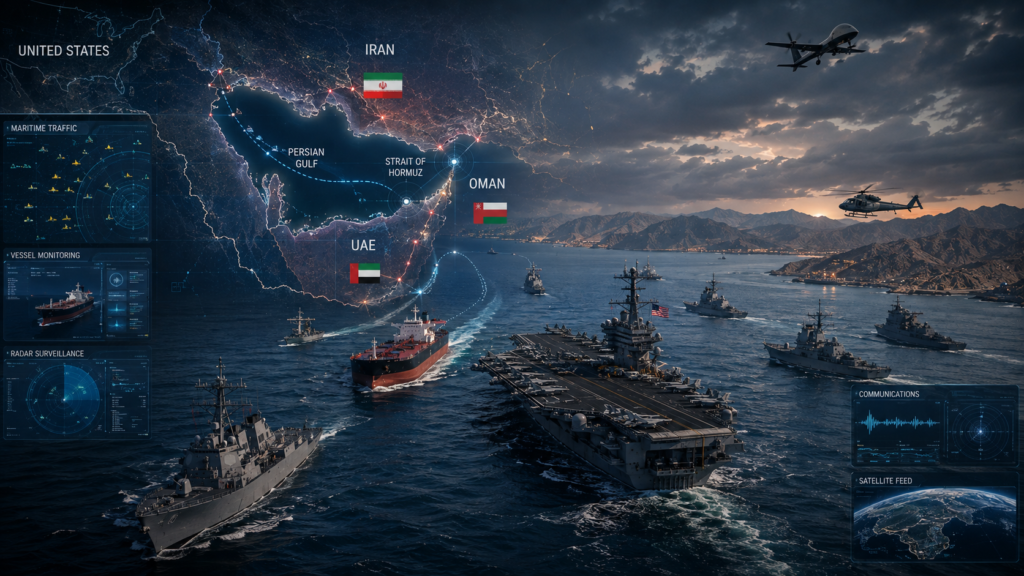
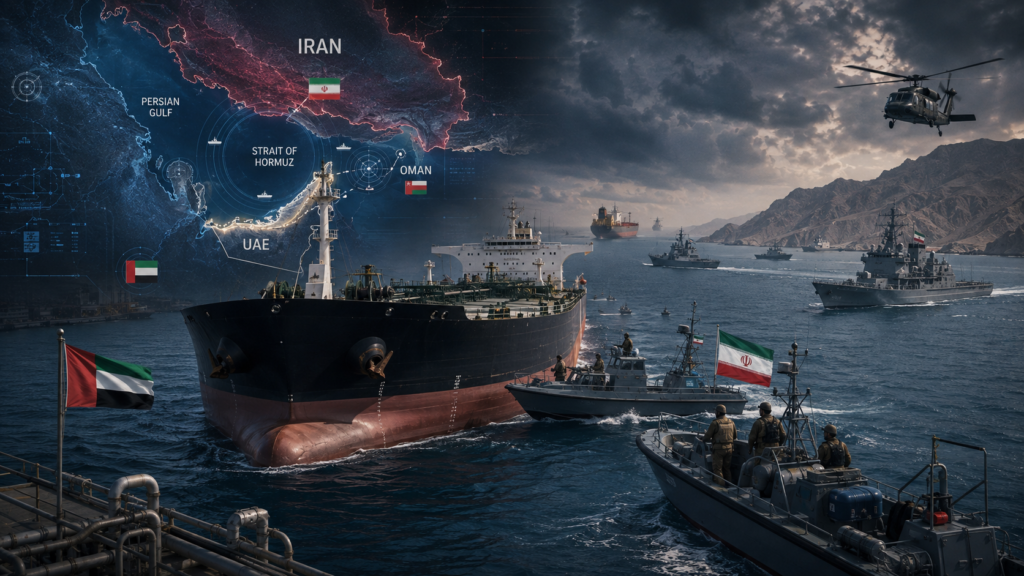
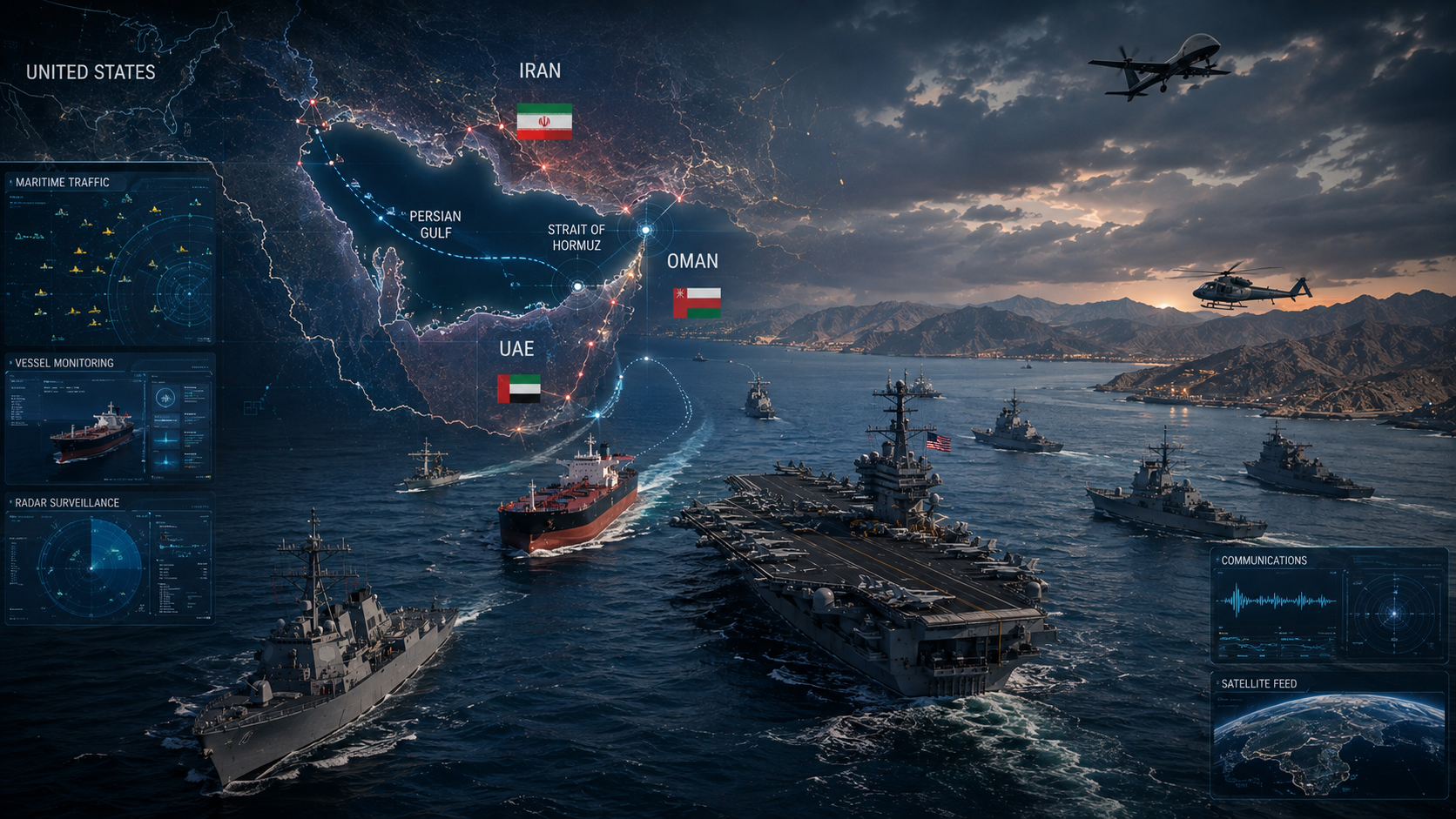
The narrow waterway between Iran and Oman is one of the world’s most important maritime passages. Before the current disruption, it carried roughly a fifth of global oil and liquefied natural gas supplies, making any prolonged closure a major international economic concern. Reuters reported on August 17 that shipping through the strait had slowed sharply, with only five vessels transiting on Saturday and none on Sunday.
That gives Oman an unusually important geographical position.
The country sits directly beside one of the most sensitive points in the current confrontation. It also has an interest in keeping commercial shipping moving and preventing the conflict from turning the Gulf into a long-term military flash point.
So when Oman talks to Iran about reopening the waterway, it is not simply acting as a friendly intermediary.
It is also dealing with a problem on its own doorstep.
That distinction is important when trying to understand why Muscat has continued engaging Tehran despite pressure from Washington.
The disagreement over Hormuz is more complicated than simply asking whether ships should be allowed through.
Iran wants its strategic interests and authority recognized in arrangements governing the waterway. The United States, meanwhile, wants predictable commercial access and opposes arrangements that would give Tehran excessive leverage over international shipping.
Oman has been involved in discussions aimed at finding a workable arrangement.
Earlier this month, reports indicated that Iran, Oman and the United States were getting closer to an interim understanding that could help restore shipping through the strait. The discussions were seen as potentially creating breathing room for broader negotiations.
But the details matter.
An agreement that Tehran considers acceptable may not be acceptable to Washington.
And an agreement that Washington believes keeps the waterway open may not satisfy Iran.
Oman is therefore attempting something inherently difficult: keeping the conversation alive while neither of the two larger powers fully trusts the other’s intentions.
Trump’s latest warning came as negotiations over the Strait of Hormuz remained stalled.
According to Reuters, Trump said Iran should surrender and threatened to bomb Oman if it obstructed U.S. objectives. The comments came on the same day that a 60-day diplomatic period linked to a June memorandum of understanding expired without producing a final settlement.
The immediate source of tension appears to be the disagreement over how the Strait of Hormuz should be reopened and managed.
From Trump’s perspective, the United States wants pressure on Iran to produce a result. If Oman helps Iran reach an arrangement Washington considers unacceptable, the administration could view Muscat’s mediation not as neutral diplomacy but as an obstacle.
That is a very different way of looking at mediation.
Traditionally, a mediator is supposed to give both sides room to compromise.
But when one side believes the mediator is helping its opponent avoid pressure, neutrality itself can become controversial.
That appears to be where Oman now finds itself.
Trump Demands Iran Surrender as Talks Stall
There is an uncomfortable contradiction here.
The United States needs diplomatic channels if it wants to reach an agreement with Iran.
Oman is one of the countries capable of helping maintain those channels.
Yet Washington is now publicly threatening the same country whose diplomatic role could help move the negotiations forward.
That does not mean diplomacy is finished.
It does mean that the space for quiet diplomacy has become much narrower.
Oman’s strength has always been its ability to talk to different sides without making itself the center of the dispute. If Muscat begins to believe that its diplomatic efforts could expose it to military retaliation, it has an obvious reason to become more cautious.
And cautious mediation is not necessarily effective mediation.
This distinction should not get lost in the political rhetoric.
Oman is not Iran.
The country has maintained a long-standing relationship with the United States and has cooperated with Washington on security matters. Its diplomatic relationship with Tehran does not mean that Muscat shares Iran’s broader regional objectives.
That is precisely what makes Oman’s position unusual.
Muscat can talk to Tehran without being Tehran.
It can communicate with Washington without being Washington.
That middle position is valuable when both major parties find direct communication politically difficult.
In previous regional crises, such relationships have allowed Oman to function as a bridge.
The current confrontation is testing whether that bridge can survive the pressure coming from both directions.
The most worrying aspect of Trump’s warning is not necessarily that a military strike on Oman is inevitable.
There is no indication from the reports that such an attack has been ordered.
The bigger concern is what the threat itself does to diplomacy.
Once a mediator becomes a target of political or military threats, every future conversation becomes more complicated.
Oman has to consider how Washington will interpret its discussions with Iran. Iran has to consider whether Oman’s involvement could expose Muscat to U.S. pressure. And other countries watching the crisis may begin wondering whether acting as a mediator carries unacceptable risks.
That could have consequences beyond this particular conflict.
Middle Eastern diplomacy often depends on countries that can speak quietly to multiple sides. If those countries become reluctant to mediate, there are fewer places left for difficult conversations to happen.
It would be easy to interpret Trump’s comments as evidence that the U.S.-Oman relationship has fundamentally broken down.
That would probably be too simplistic.
The United States still has strategic interests in Oman, and Oman remains an important Gulf partner. Its geographic position gives it value for maritime security, regional stability and military planning.
That makes the current dispute more complicated than a simple confrontation between enemies.
Washington may strongly disagree with Muscat over how to handle Iran while still recognizing Oman’s strategic importance.
In other words, the relationship can be under severe political pressure without automatically disappearing.
This is one reason the latest threat is so significant.
It puts strain on a relationship that has traditionally been useful to both countries.
For Tehran, Oman offers something equally valuable: access to a government that can communicate with Washington without requiring Iran to negotiate directly under the full glare of the conflict.
Iran has every reason to want the Strait of Hormuz issue resolved on terms it can accept.
The country has rejected the idea of simply surrendering to U.S. demands, while Iranian officials have continued to warn about escalation if Washington fails to honor existing understandings. Reuters reported that a senior Iranian official warned of further escalation around the strait as the diplomatic situation deteriorated.
Oman’s involvement therefore gives Tehran a diplomatic option that is different from direct confrontation.
That does not guarantee an agreement.
But it gives both sides somewhere to start.
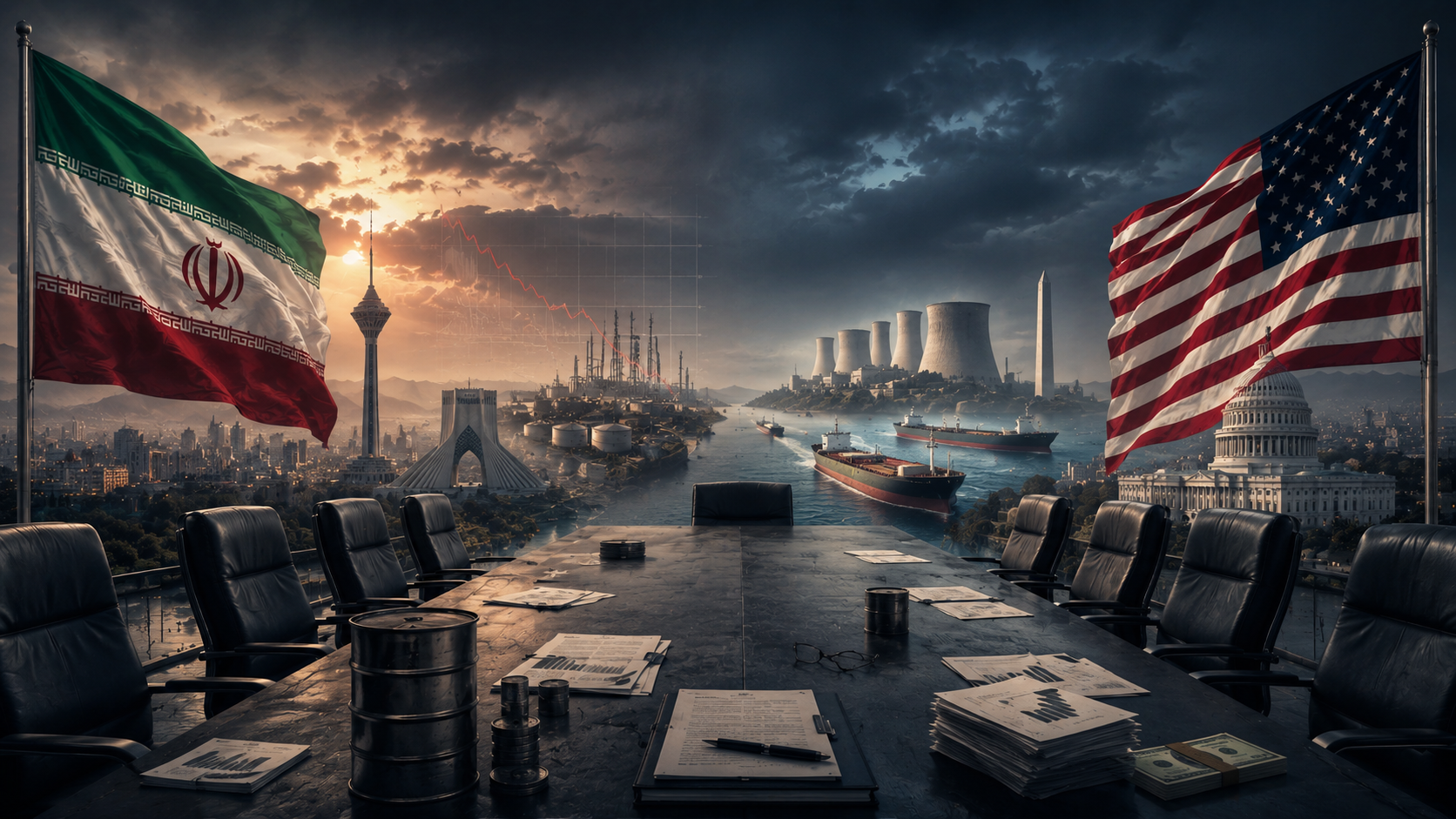
The Strait of Hormuz is not just a geographical feature on a map.
It is part of the global economy.
When shipping slows, traders react. When oil supplies become uncertain, prices respond. When insurance companies see greater risk, shipping costs can rise.
Reuters reported on August 17 that Brent crude was trading around $88.58 per barrel while West Texas Intermediate was around $82.22, with markets watching the stalled peace efforts and reduced shipping activity through Hormuz.
That means the consequences of the US-Iran standoff can reach people who have never heard of Oman’s mediation efforts.
A prolonged disruption could eventually affect fuel costs, transportation and broader inflation pressures.
For Oman, keeping the waterway functioning is therefore not just a diplomatic objective.
It is a matter of regional economic security.
A practical agreement over the strait could create something that the wider peace process currently lacks: breathing room.
If commercial ships can move more predictably, pressure on energy markets could ease.
If the United States and Iran can agree on maritime arrangements, it could demonstrate that limited compromises are still possible.
And if Oman can help deliver that result, its role as a mediator could become even more important.
The opposite outcome would be much more dangerous.
If negotiations collapse completely, shipping remains disrupted and military threats increase, Oman could find itself under pressure from both sides.
That would be a terrible position for a country whose main diplomatic asset is trust.
Muscat’s challenge is not simply to keep Washington and Tehran talking.
It also has to protect its own national interests.
Oman cannot ignore Iran because of geography and its long-standing relationship with Tehran.
It cannot ignore the United States because of its strategic partnership with Washington.
And it cannot afford to let the Strait of Hormuz become permanently associated with military confrontation.
That leaves Oman walking a narrow diplomatic line.
Too much alignment with Iran could damage its relationship with Washington.
Too much alignment with Washington could undermine its credibility in Tehran.
And refusing to engage at all could mean losing the very diplomatic influence that has made Oman important.
There is no perfect solution.
Quite possibly.
A mediator needs enough confidence to carry messages, propose compromises and test ideas privately.
Threats can make that process more difficult.
Oman may now have to think not only about whether Iran and the United States will accept a proposal, but also about whether Washington could interpret that proposal as unacceptable interference.
That introduces another layer of risk into every conversation.
Still, there is an important reason not to assume that diplomacy has completely collapsed.
The United States, Iran and Oman have all had reasons to keep working on the Strait of Hormuz issue. Recent reporting has shown continued efforts to reach an arrangement even as public rhetoric has become increasingly hostile.
That suggests the practical need for a deal may eventually become stronger than the political arguments against one.
Several developments will be worth watching.
A meaningful increase in commercial traffic would suggest that negotiations are producing practical results.
If Muscat continues talking with both sides, its diplomatic position could survive the current pressure.
The difference between political rhetoric and an actual change in U.S. policy will matter enormously.
Tehran’s position on shipping, tolls and control of the waterway remains central to the dispute.
Ultimately, the Hormuz issue is connected to the much larger confrontation involving Iran’s nuclear program, sanctions and security guarantees.
A shipping agreement could help create space for those discussions, but it would not solve them on its own.
Oman has developed a reputation as a quiet intermediary capable of maintaining relationships with countries that have difficult or hostile relationships with one another. Its position has made it particularly useful in U.S.-Iran diplomacy.
Oman’s geographical position beside the Strait of Hormuz and its relationships with both Washington and Tehran have placed it at the center of discussions over reopening the waterway and reducing tensions.
Trump threatened military action if he believed Oman was interfering with U.S. objectives in negotiations involving Iran and the Strait of Hormuz. The comments came as Washington and Tehran remained divided over the diplomatic process.
Oman is a longstanding U.S. partner in the Gulf. Its close relationship with Washington exists alongside its separate diplomatic relationship with Iran.
The strait is a critical global energy and shipping route. Disruption can affect oil and gas supplies, shipping costs, and international markets.
It is possible that increased political pressure could make mediation more difficult, but Oman has continued engaging on the Strait of Hormuz despite the latest threats.
Oman cannot resolve the conflict by itself. However, its ability to communicate with both sides could make it an important channel for negotiations, particularly when Washington and Tehran struggle to communicate directly.
Oman’s role in Middle East diplomacy has never depended on having the largest military or the biggest economy in the region. Its influence comes from something less visible: access, patience, and the ability to talk to governments that do not trust one another.
That is why the current pressure on Muscat matters.
Trump’s threat against Oman has placed an unusual burden on a country that has spent years positioning itself as a bridge rather than a combatant. At the same time, the dispute over the Strait of Hormuz has made Oman’s geographical position impossible to ignore.
There is still a practical reason for all sides to keep talking.
The United States wants the waterway reopened. Iran wants its interests recognized. Oman wants regional stability and functioning trade. None of those objectives is inherently impossible.
The problem is the political distance between them.
If Oman can continue mediating without becoming a party to the confrontation, it may yet help Washington and Tehran find a limited agreement that reduces the immediate pressure.
But if the mediator itself becomes part of the conflict, the situation changes.
And that may be the most important thing to understand about Oman’s role in Middle East diplomacy right now: its value is not simply that Oman can talk to Iran or the United States. Its value is that, in a region where direct communication often breaks down, someone still has to keep the door open.
One thought on “Oman’s Role in Middle East Diplomacy: Why Trump’s Threat Against Oman Matters”