
 11
11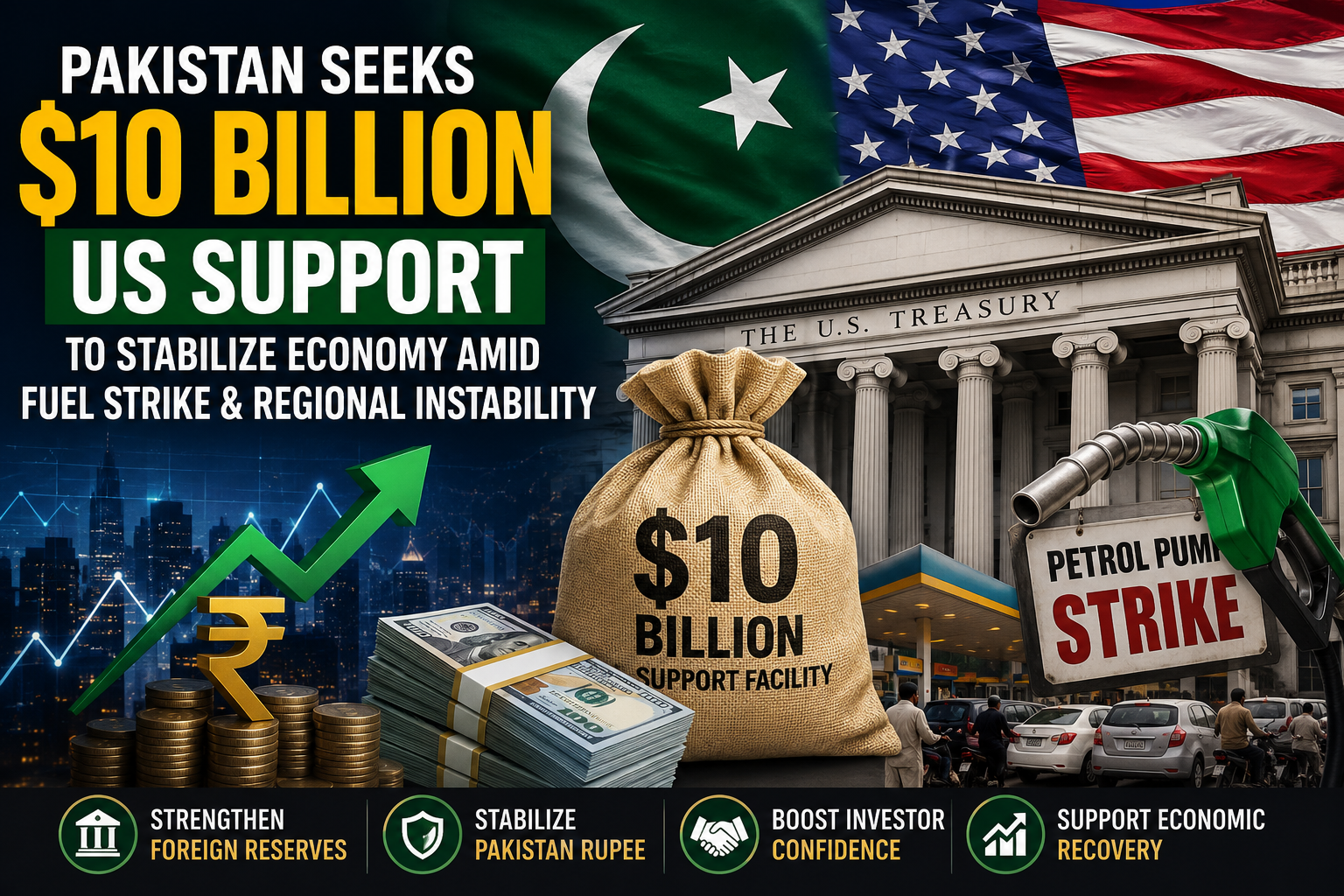
Pakistan has reportedly requested a $10 billion US Treasury-backed Exchange Stabilization Support Facility in a major effort to strengthen its fragile economy. The move comes as the country faces growing regional uncertainty, pressure on foreign exchange reserves, and a nationwide strike by petrol pump owners over the government’s new fuel pricing policy.
The development has attracted international attention because it could significantly influence Pakistan’s financial stability, currency value, and investor confidence.
According to reports, Finance Minister Muhammad Aurangzeb discussed the proposal with US Treasury officials during meetings in Washington. The requested facility would help Pakistan:
Officials believe the support could act as a financial safety net while Pakistan continues economic reforms.
Unlike a traditional bailout, an Exchange Stabilization Support Facility is designed to help countries maintain stability in their foreign exchange reserves and currency markets.
If approved, the funding could:
The economic uncertainty has been compounded by an indefinite nationwide strike announced by the All Pakistan Petrol Pump Owners Association.
The association is protesting the government’s decision to introduce daily petroleum price adjustments, arguing that the policy could create financial losses for fuel station operators.
If the strike continues, motorists across Pakistan could experience:
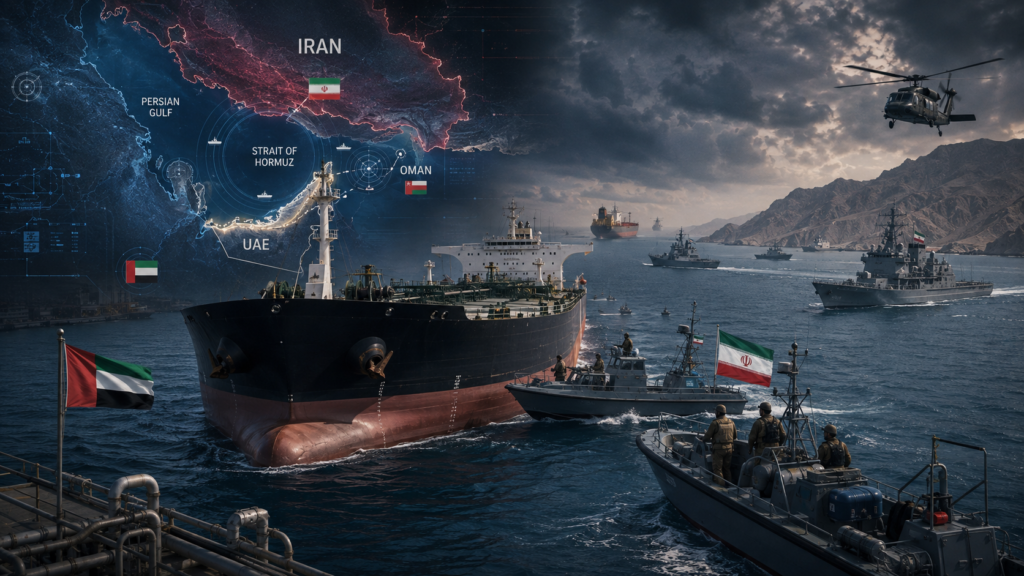
Pakistan’s economy is also dealing with the impact of ongoing regional instability.
Higher global oil prices, uncertainty in international markets, and increasing import costs have placed additional pressure on the country’s finances. These challenges have increased the urgency for external financial support and stronger foreign reserves.
At the time of writing, the United States has not officially announced whether it will approve Pakistan’s request.
Reports indicate that discussions are ongoing, while the US Treasury has declined to publicly comment on the proposal. Pakistani officials remain hopeful that closer economic cooperation could strengthen bilateral relations.
If the proposed facility receives approval, it could provide several economic benefits:
However, economists note that long-term stability will still depend on structural reforms, fiscal discipline, export growth, and increased foreign investment, regardless of whether the funding is approved.
Pakistan’s request for a $10 billion US Treasury-backed support facility marks one of its most significant financial initiatives in recent years. At the same time, the nationwide petrol pump strike highlights the domestic challenges facing the country’s energy sector.
The coming weeks will be crucial as policymakers, investors, and citizens watch for decisions from both Washington and Islamabad that could shape Pakistan’s economic outlook for the remainder of 2026.