

 11
11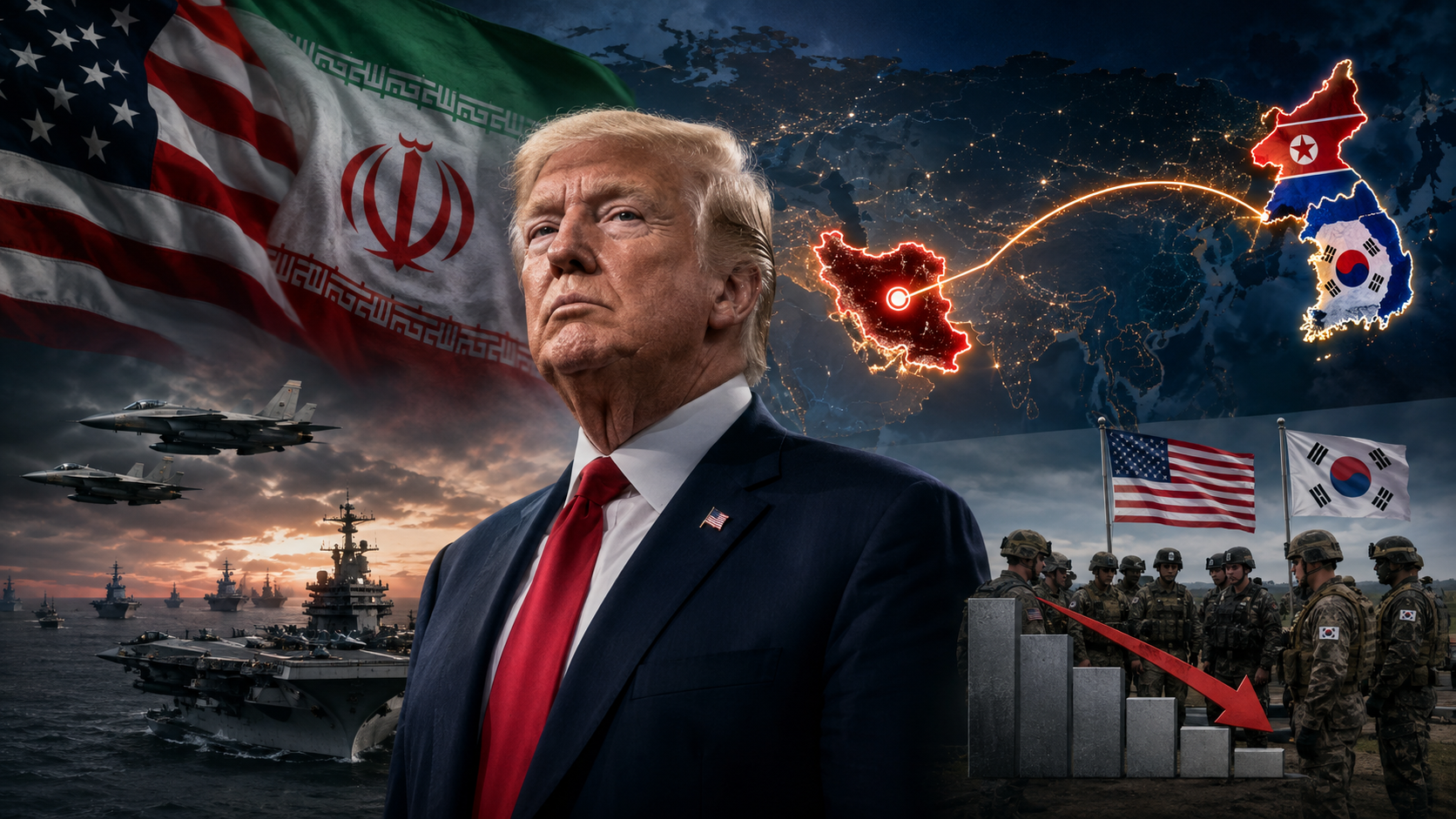
US-Iran tensions have entered another complicated phase as President Donald Trump continues to demand major concessions from Tehran while simultaneously ordering a significant reduction in U.S.-South Korean military exercises. The two developments involve different regions, but together they reveal a broader shift in Washington’s military and diplomatic priorities.
Trump has repeatedly used strong language toward Iran, including calls for Tehran to surrender. In May, he said Iran should “wave the white flag of surrender,” arguing that its military capabilities had been severely weakened. The White House had also previously described the desired end state of the U.S. operation as Iranian “unconditional surrender.”
At the same time, Trump has now instructed Defense Secretary Pete Hegseth to substantially reduce joint military exercises with South Korea, citing the expense of the drills, their perceived hostility toward North Korea, and his relationship with North Korean leader Kim Jong Un.
These moves raise important questions. Is Washington attempting to concentrate military resources on the Middle East? Could reduced exercises affect deterrence on the Korean Peninsula? And what does Trump’s continued surrender rhetoric mean for the possibility of a lasting agreement with Iran?
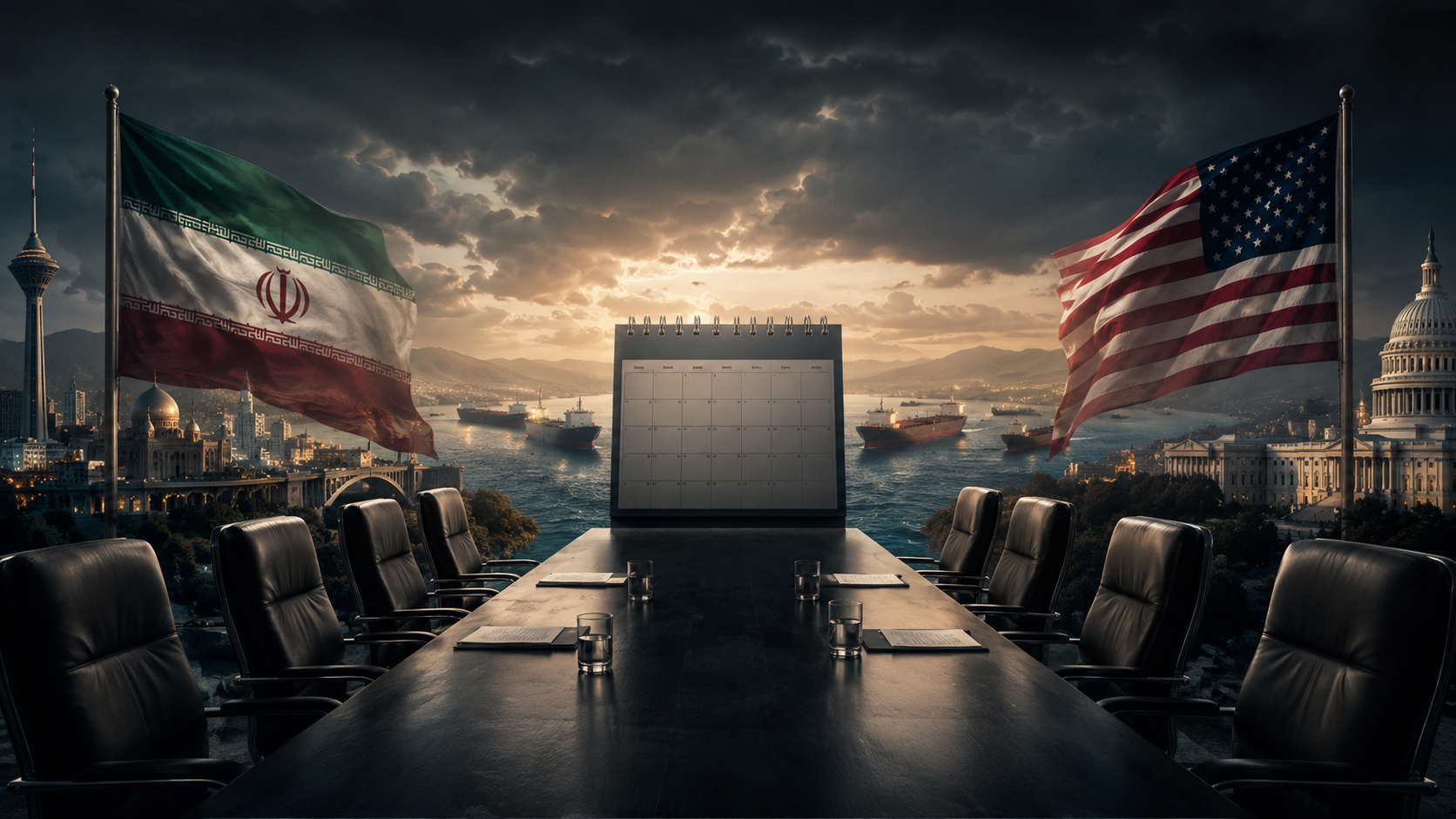
The relationship between Washington and Tehran has been dominated by military confrontation, nuclear negotiations, sanctions, and disputes over the Strait of Hormuz.
The situation has changed several times during 2026. The United States has at different points threatened further military action, paused strikes, pursued negotiations, and discussed a possible longer-term agreement with Iran.
In April, Trump announced a temporary suspension of U.S. attacks after discussions involving Pakistan and other regional actors. His statement said the pause was linked to Iran agreeing to the opening of the Strait of Hormuz and to negotiations aimed at a longer-term peace arrangement.
Later, negotiations remained fragile. Trump warned in July that the United States could return to strong military action if talks failed.
That history helps explain why the latest rhetoric should not be viewed in isolation.
The central issue is whether Washington and Tehran can move from military pressure toward a sustainable diplomatic arrangement.
Trump’s demand for Iranian surrender represents one of the strongest positions available in diplomatic language.
When a government is told to surrender, the message goes beyond a request for a limited policy change. It suggests that the other side has suffered enough military or strategic pressure that it should accept Washington’s terms.
In May, Trump argued that Iran’s military had been significantly weakened and said Tehran should raise a white flag.
The administration’s earlier description of its objective as “unconditional surrender” reinforced that position.
However, military pressure and diplomatic settlement are not necessarily the same thing.
A country can suffer significant damage while still refusing to accept the political terms demanded by an opponent. This is particularly important in the Iranian case because Tehran’s leadership has historically treated sovereignty, nuclear capabilities, sanctions, and foreign military presence as core national-security issues.
Trump’s rhetoric can serve several purposes:
Yet the same language can make diplomacy more difficult.
If Iran believes that negotiations are simply a path toward capitulation, its leaders may have fewer incentives to make politically costly concessions.
The decision to reduce U.S.-South Korean military exercises appears at first to have little connection with Iran.
South Korea’s primary security concern is North Korea, while the U.S.-Iran confrontation is centered thousands of miles away in the Middle East.
Nevertheless, the two issues are becoming connected through U.S. military priorities and alliance management.
Trump said he was unhappy with the long-standing joint exercises because they are expensive and, in his view, send an unnecessarily hostile message to North Korea. He also cited his relationship with Kim Jong Un.
Trump additionally linked the decision to South Korea’s unwillingness to participate in U.S. efforts concerning Iran’s denuclearization.
This creates an unusual strategic situation: decisions surrounding the Iran conflict are influencing Washington’s relationship with an important Asian ally.
The exercises affected by Trump’s decision include Ulchi Freedom Shield, an annual U.S.-South Korean military exercise.
The drills are designed to improve the two countries’ ability to operate together in a crisis. U.S. Forces Korea describes the exercise as a combined, joint, all-domain and interagency training environment intended to strengthen the combined defense posture and alliance response capabilities.
The exercises involve different forms of training, including:
The purpose is not simply to prepare for a conventional invasion. Modern military exercises also test how forces would respond to cyberattacks, missile launches, disruptions to communications, and other complex scenarios.
An important distinction is that Trump’s announcement does not mean all U.S.-South Korean military cooperation has ended.
The 2026 Ulchi Freedom Shield exercise began as scheduled, although the precise extent of future reductions remains a matter of discussion. South Korean officials have emphasized the importance of maintaining defense coordination while also expressing hope that Trump’s approach could create opportunities for renewed dialogue with North Korea.
That distinction matters because military alliances are built on much more than individual exercises.
The United States and South Korea maintain extensive defense cooperation, intelligence relationships, military infrastructure, and operational planning.
Reducing exercises is therefore a change in military posture, not automatically the end of the alliance.
Trump has raised several arguments for reducing the drills.
Trump has repeatedly criticized the expense of U.S. military exercises and argued that South Korea should carry more of the financial burden.
Trump believes the exercises can appear provocative to Pyongyang. His positive relationship with Kim Jong Un appears to be an important factor behind his latest decision.
The United States is simultaneously managing challenges involving Iran, China, Russia, North Korea, and other regions.
Reducing some exercises could give Washington greater flexibility in how it allocates military personnel, equipment, ships, aircraft, and other resources.
Trump’s approach also reflects his broader demand that U.S. allies contribute more to shared security responsibilities.
South Korea has its own advanced military capabilities and has increased defense spending, but disagreements remain over burden-sharing and strategic priorities.
This is one of the most important questions surrounding the announcement.
Military exercises are not simply demonstrations of force. They provide an opportunity for allied forces to practice working together before a real crisis occurs.
If training becomes less frequent or less sophisticated, several risks could emerge.
First, readiness could decline. Troops need regular practice to maintain coordination.
Second, deterrence could weaken. North Korea could interpret reduced exercises as evidence that Washington’s commitment to the region is declining.
Third, alliance confidence could suffer. South Korean policymakers and the public may question how predictable U.S. security commitments will remain.
Experts cited by AP have warned that reducing drills could affect military preparedness and deterrence, particularly as North Korea continues to develop its nuclear and missile capabilities.
However, supporters of reducing the exercises argue that diplomacy could benefit if Pyongyang sees fewer military demonstrations as a genuine attempt to reduce tensions.
That creates the central strategic dilemma:
| Approach | Potential Benefit | Potential Risk |
|---|---|---|
| Maintain large-scale drills | Strong deterrence and readiness | May increase tensions with North Korea |
| Reduce drills | Creates diplomatic space | Could weaken preparedness |
| Replace drills with smaller exercises | Preserves some readiness | May provide less comprehensive training |
| Pause exercises temporarily | Could support negotiations | North Korea may exploit the reduction |
It would be misleading to suggest that the South Korea decision is purely a consequence of the Iran conflict.
Trump’s comments indicate that multiple considerations are involved.
His relationship with Kim Jong Un, the cost of military exercises, the perceived message sent to North Korea, and South Korea’s position on Iran all appear to have influenced his decision.
At the same time, the United States has been heavily involved militarily in the Middle East.
That creates pressure on American forces.
A long-running military confrontation with Iran can require additional naval, air, logistical, and intelligence resources. Analysts have previously warned that prolonged U.S. military commitments in the Middle East could place additional strain on forces needed for other potential conflicts, including those involving South Korea and Taiwan.
The broader question, therefore, is whether Washington is beginning to prioritize some theaters over others.
US-South Korea Military Alliance: Trump want support
For Tehran, Trump’s latest position sends two different messages.
The first is that the United States continues to maintain significant pressure and expects major Iranian concessions.
The second is that Washington remains interested in diplomacy when it believes negotiations can produce concrete results.
That combination has been visible throughout the 2026 crisis.
Trump previously paused planned strikes while expressing optimism that negotiations could produce an agreement involving Iran’s nuclear program and the reopening of the Strait of Hormuz.
The challenge is turning temporary pauses and political statements into a durable agreement.
The Iranian nuclear program remains one of the most important sources of tension.
Any lasting settlement would likely need to address questions surrounding nuclear activities, verification, sanctions relief, regional security, and the future relationship between Tehran and Washington.
A successful agreement would require both sides to believe that cooperation offers greater benefits than continued confrontation.
That is difficult when the political rhetoric remains dominated by words such as “surrender.”
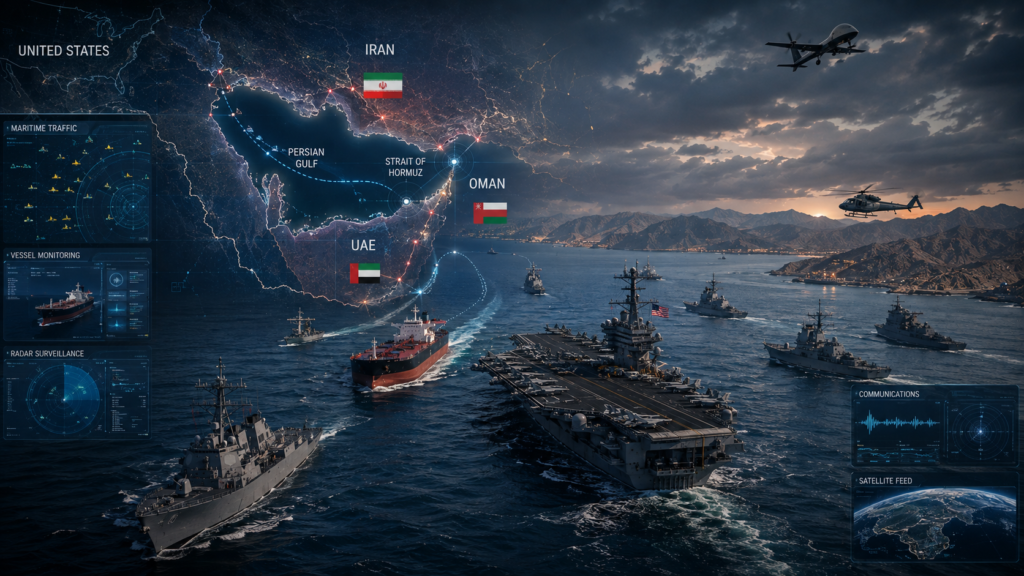
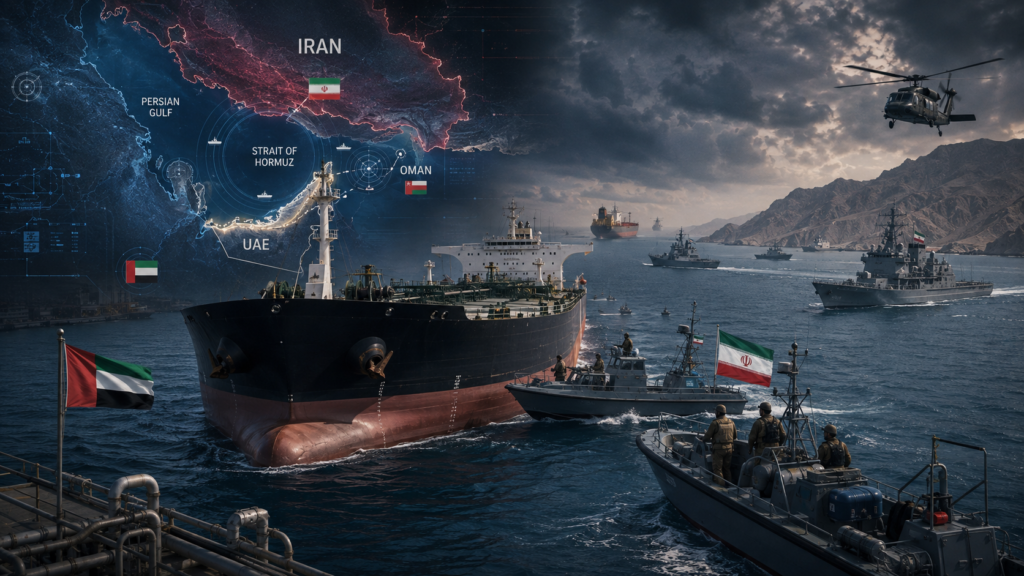
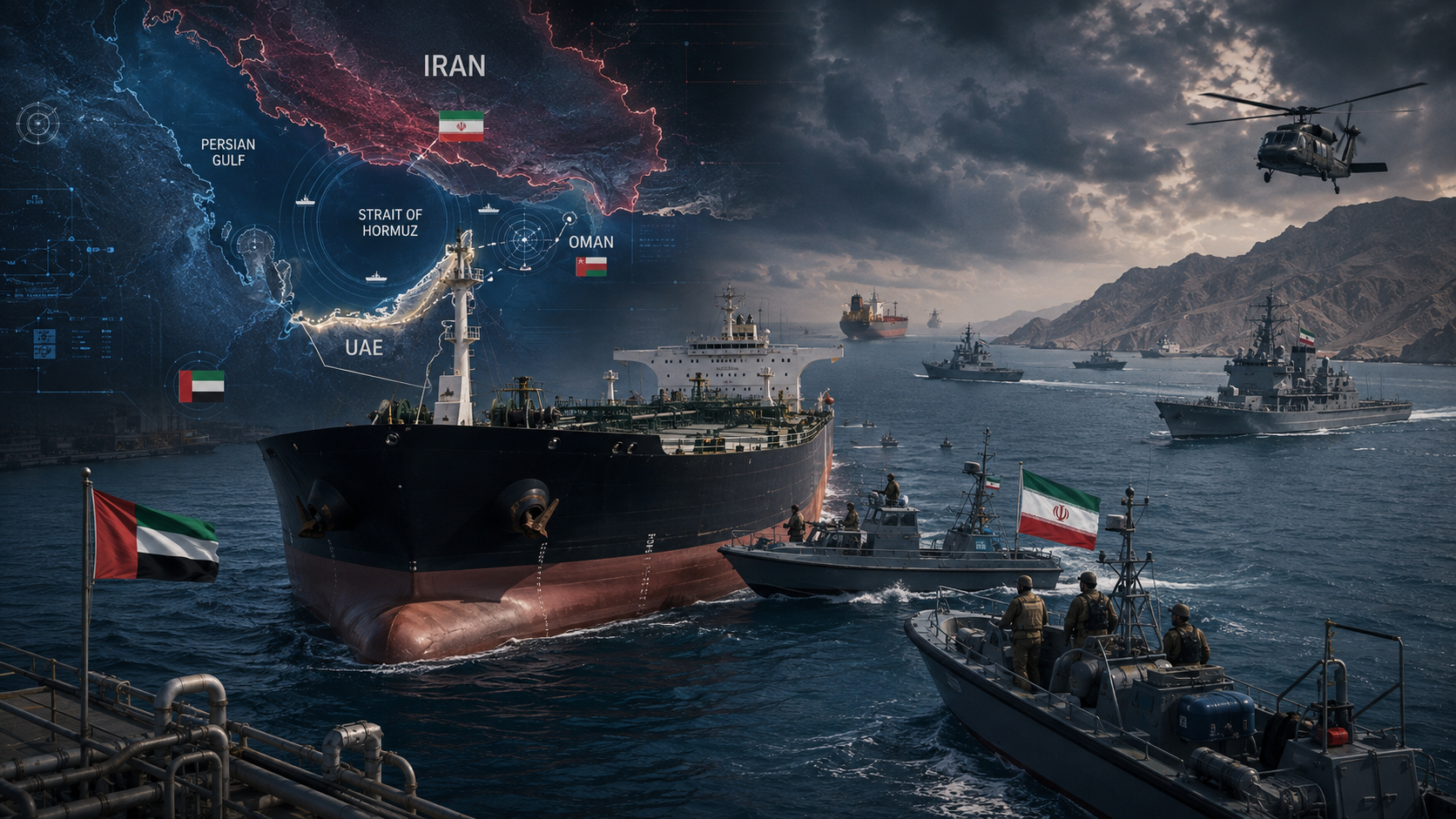
The Strait of Hormuz is another crucial element in the US-Iran crisis.
The waterway is one of the world’s most strategically important energy routes. Any disruption can affect shipping, energy prices, insurance costs, and economies far beyond the Middle East.
The United States has repeatedly emphasized the importance of keeping the waterway open, while Iran has used control over the surrounding region as an important element of its strategic leverage.
Earlier in 2026, Trump’s announced pause in military action was connected to Iran’s commitment to reopen the strait and negotiations over a longer-term agreement.
This demonstrates why the Iran conflict is not simply a bilateral dispute.
The consequences can spread across global energy markets and international trade.
The next phase of the crisis will likely depend on whether military pressure produces diplomatic concessions or instead deepens the confrontation.
Several developments deserve close attention:
The latest developments demonstrate how interconnected modern security policy has become.
A decision made in Washington about Iran can affect South Korea. A reduction in exercises on the Korean Peninsula can influence North Korea. A crisis involving Iran can affect shipping through the Gulf. And disruptions in energy transportation can eventually affect consumers around the world.
This is why US-Iran tensions should not be viewed only as a conflict between Washington and Tehran.
They are part of a much wider geopolitical contest involving alliances, military resources, nuclear policy, trade routes, energy security, and diplomacy.
For the United States, the challenge is balancing competing priorities without weakening its position in one region while concentrating on another.
For Iran, the challenge is surviving sustained pressure while preserving its negotiating leverage.
For South Korea, the challenge is maintaining credible deterrence against North Korea while navigating changing expectations from Washington.
And for North Korea, the reduced military exercises may represent both an opportunity and a potential warning.
Trump has argued that Iran’s military capabilities have been heavily damaged and has used surrender language to pressure Tehran into accepting U.S. demands. His administration previously described unconditional surrender as an objective of the military operation.
Trump cited the cost of the exercises, their perceived provocative effect on North Korea, his relationship with Kim Jong Un, and South Korea’s refusal to participate in U.S. efforts concerning Iran.
No. Reducing military exercises is not the same as ending the U.S.-South Korea alliance. Joint exercises have continued, while the two countries maintain broader defense cooperation.
Possibly. South Korean officials have expressed hope that a reduction could create opportunities for renewed dialogue. However, analysts also warn that weaker exercises could affect deterrence and readiness.
The Strait of Hormuz is a major international energy and shipping route. Disruption there can affect global oil markets, shipping costs, and energy security.
The latest developments surrounding US-Iran tensions and U.S. military exercises with South Korea point to a complicated shift in American foreign policy.
Trump continues to demand major concessions from Iran, using surrender rhetoric to emphasize military pressure. At the same time, he has ordered a substantial reduction in joint military exercises with South Korea, arguing that the drills are expensive and unnecessarily provocative toward North Korea.
These decisions are taking place against the backdrop of a much larger strategic challenge.
Washington must manage the Iran conflict while maintaining credibility with Asian allies and deterring North Korea. Tehran must decide whether continued resistance or renewed diplomacy offers the better path. Seoul must protect its security interests while adapting to changing U.S. priorities.
Ultimately, the most important question is not whether either side can make the strongest statement.
It is whether military pressure can eventually produce a stable diplomatic solution.
If Washington and Tehran return to serious negotiations and reach a verifiable agreement, the immediate risk of escalation could fall significantly. But if diplomacy collapses and military confrontation resumes, the effects could extend well beyond Iran and the United States—potentially influencing global energy markets, international shipping, U.S. alliances, and security calculations across Asia.
For now, the world is watching closely as Trump’s Iran strategy and his changing approach toward South Korea reshape the broader geopolitical picture.

One thought on “US-Iran Tensions: Trump Demands Iran Surrender”