
 11
11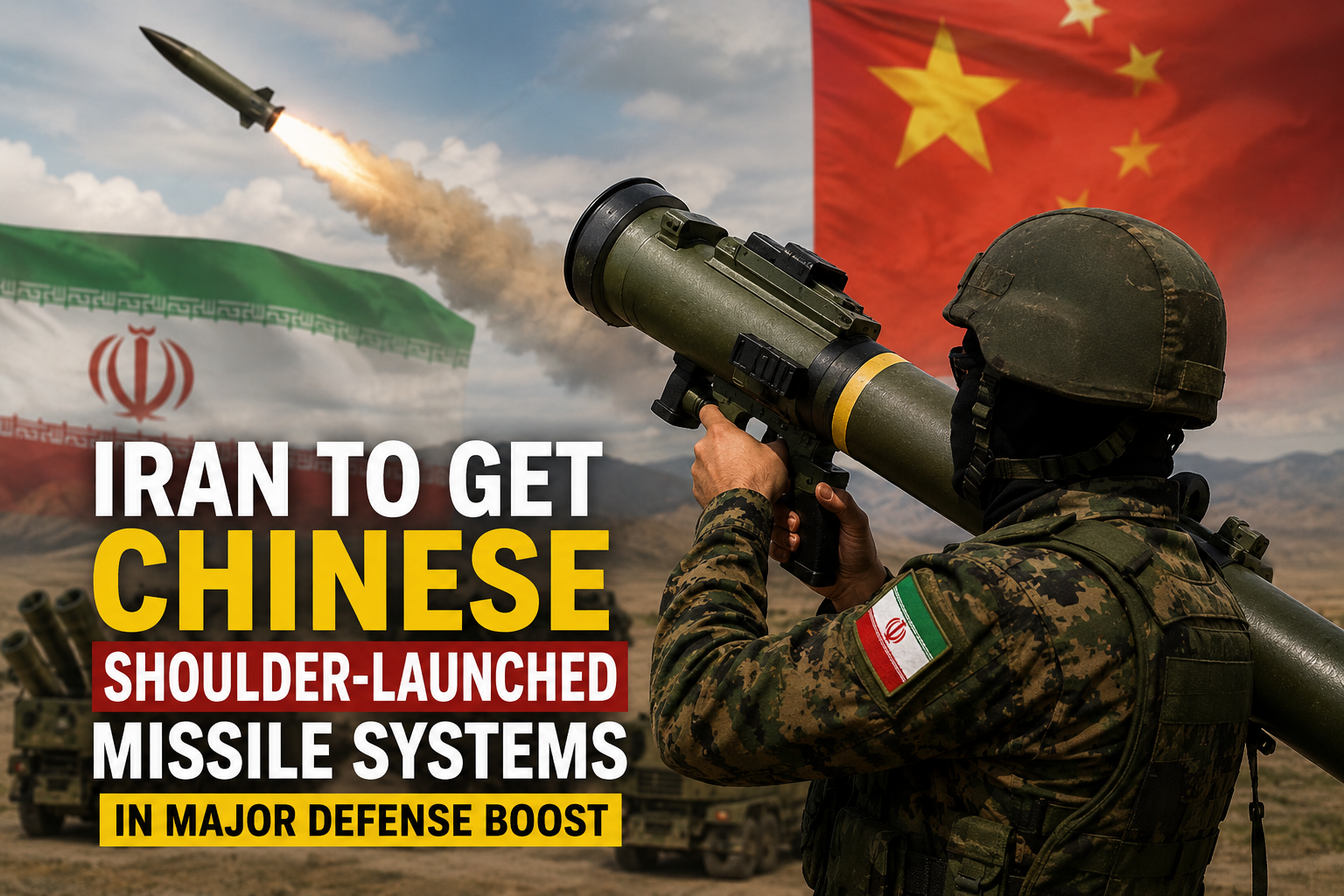
As tensions across the Middle East continue to rise, a new weapons deal between Iran and China could significantly reshape the region’s military balance. Reports indicate that Tehran is preparing to receive hundreds of advanced Chinese-made shoulder-fired missile systems within weeks—a move that has already drawn global attention.
Iran is expected to receive its first shipment of Chinese-made shoulder-launched air-defense missile systems (MANPADS) within the coming weeks, according to multiple sources familiar with the agreement. The deal reportedly includes 300 to 400 portable air-defense missile launchers valued at approximately $60–70 million, making it one of Iran’s most significant recent military acquisitions.
The purchase comes after months of conflict involving Iran, the United States, and Israel, during which Iranian military bases, radar sites, and strategic infrastructure were repeatedly targeted. Military analysts believe Tehran is now rapidly rebuilding its short-range air-defense network to prevent similar vulnerabilities in the future.
According to the report, the agreement includes Chinese QW-12 and FN-16 shoulder-fired missile systems.
These portable weapons are designed to:
Unlike large air-defense batteries, MANPADS can be quickly deployed by ground troops, making them highly effective against surprise aerial attacks. Experts say these systems could strengthen Iran’s layered air-defense strategy by protecting vulnerable locations that larger missile systems cannot easily cover.
The reported purchase follows months of military confrontation that exposed weaknesses in Iran’s air-defense capabilities.
Recent strikes reportedly damaged:
Defense analysts believe Iran is now focused on rapidly replacing lost equipment while expanding its ability to defend against drones and low-altitude attacks. Portable missile launchers offer a relatively low-cost but highly flexible solution for this objective.
The agreement reportedly involves Zhongqing Baoshang International Investment, a Hong Kong-based intermediary company acting between Iranian buyers and Chinese suppliers.
While Beijing has consistently stated that it supports peace and denies direct involvement in military transfers to conflict zones, reports citing anonymous security sources suggest negotiations have been underway for several months. Chinese officials have not publicly confirmed the missile sale.
Security experts warn that the arrival of hundreds of portable air-defense systems could complicate future military operations across the region.
Because MANPADS are:
they can increase risks for helicopters, surveillance aircraft, and drones operating near conflict zones.
The reported purchase also highlights Iran’s continued effort to combine domestic weapons production with foreign military technology despite years of international sanctions.
The reported missile deal is expected to draw close attention from Western governments and regional allies.
Analysts believe the acquisition could:
Although no official international response has been announced yet, defense observers say developments surrounding the shipment will likely be monitored closely in the coming weeks.
Iran’s reported acquisition of up to 400 Chinese shoulder-launched missile systems represents more than just another arms purchase—it signals Tehran’s determination to rebuild and modernize its air defenses after months of intense regional conflict. Whether the shipment proceeds as reported or faces diplomatic obstacles, the development is likely to become an important factor in Middle East security discussions and could influence military planning across the region for months to come.