
 11
11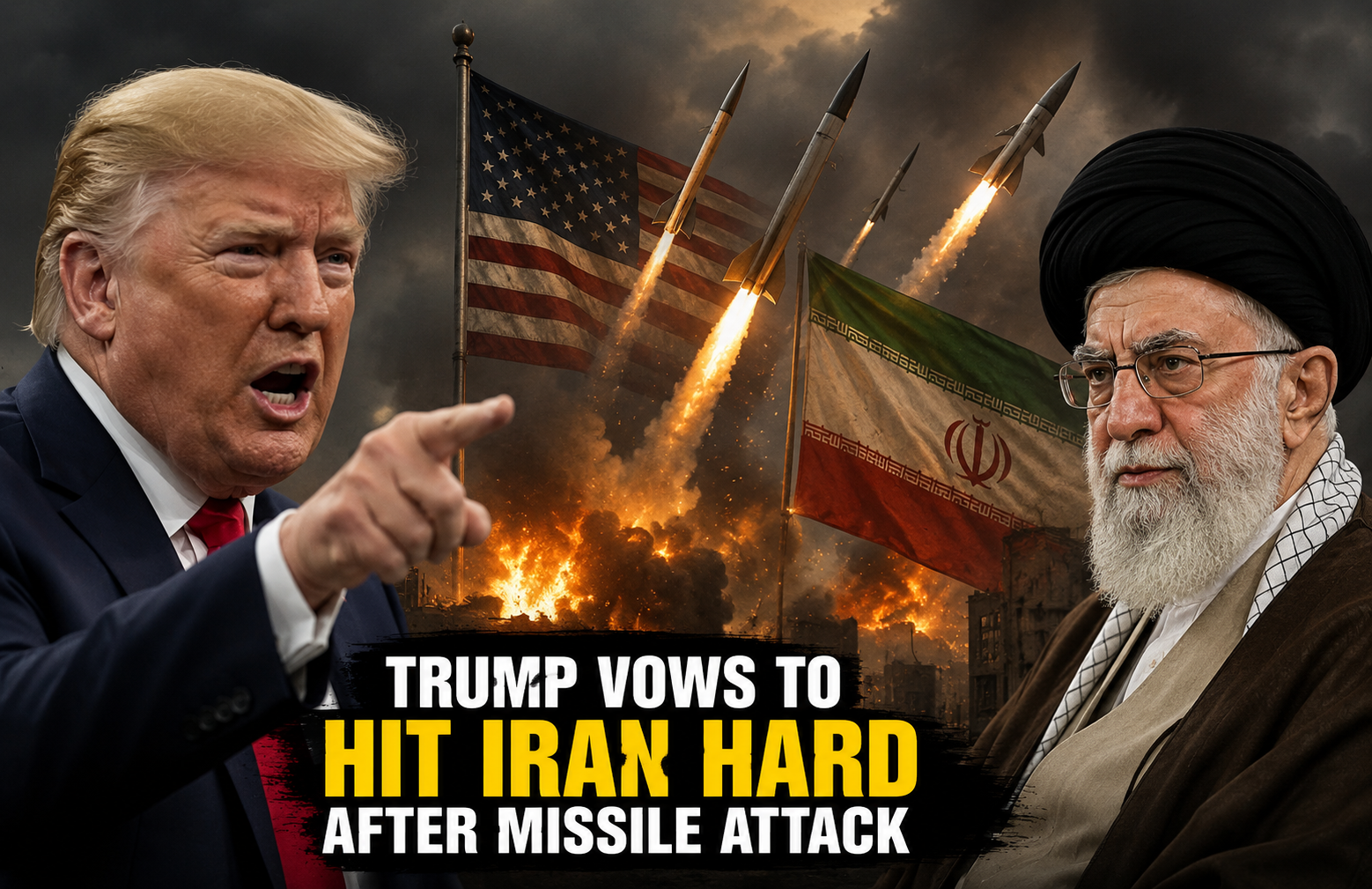
A single missile attack has reignited one of the world’s most dangerous confrontations—and President Donald Trump’s latest warning has global leaders, financial markets, and millions of people watching what happens next.
The Middle East is once again on edge after U.S. President Donald Trump promised a powerful response to Iran following a missile attack targeting American forces. While U.S. defenses reportedly intercepted the incoming missiles and prevented casualties, Trump’s remarks suggest Washington is preparing for further military action if attacks continue.
The latest escalation comes at a time when tensions between the United States and Iran were already running high, increasing fears that the conflict could spread across the region.
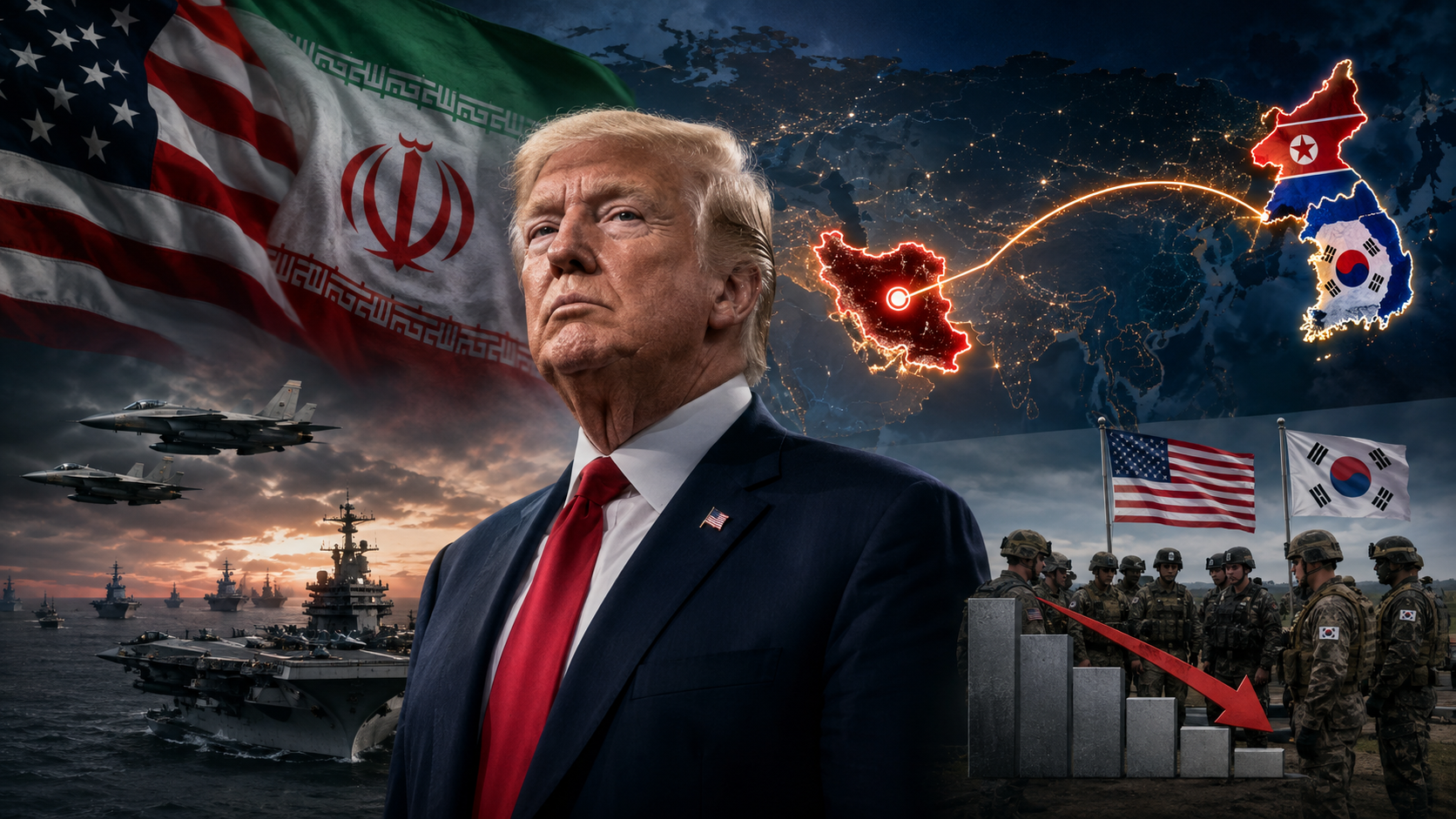
Speaking after the missile attack, Trump vowed that the United States would respond decisively, warning that Iran would face severe consequences for targeting American personnel.
According to reports, the missile strike was linked to Iran’s Islamic Revolutionary Guard Corps (IRGC), with U.S. officials saying American air defense systems successfully intercepted the incoming missiles before they reached their intended targets.
Trump also indicated that Washington remains prepared to launch additional military operations if Iran continues its attacks.
The attempted strike marks another major escalation in the ongoing confrontation between Iran and the United States.
Recent weeks have already seen:
Security analysts warn that each new exchange increases the risk of a broader regional conflict involving multiple countries.
Global financial markets reacted quickly to the renewed tensions.
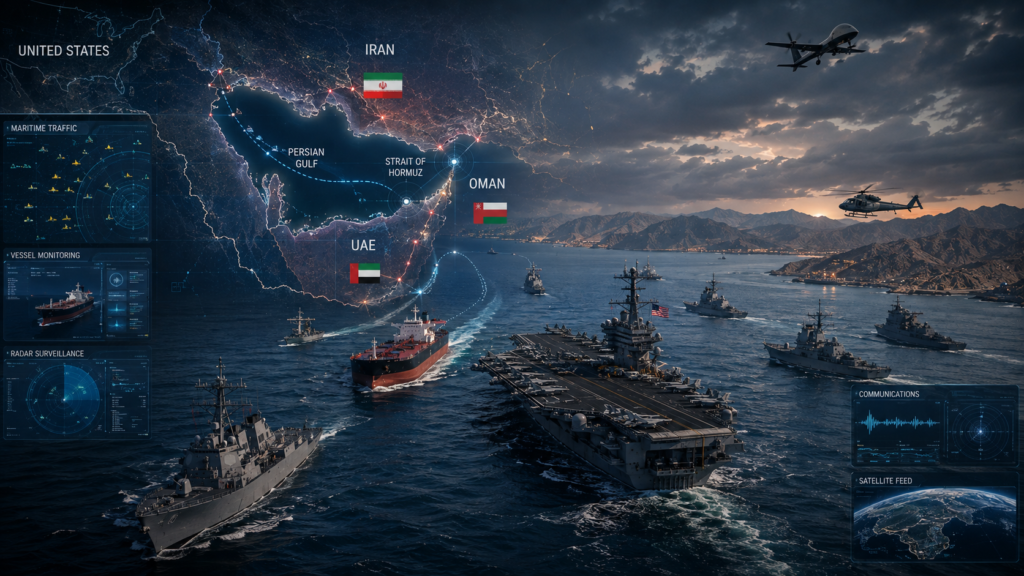
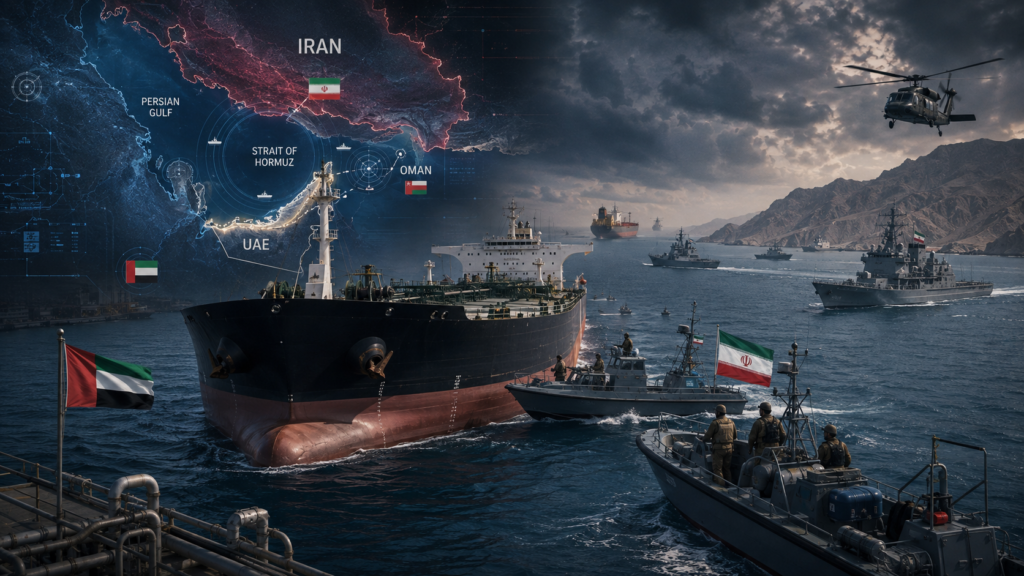
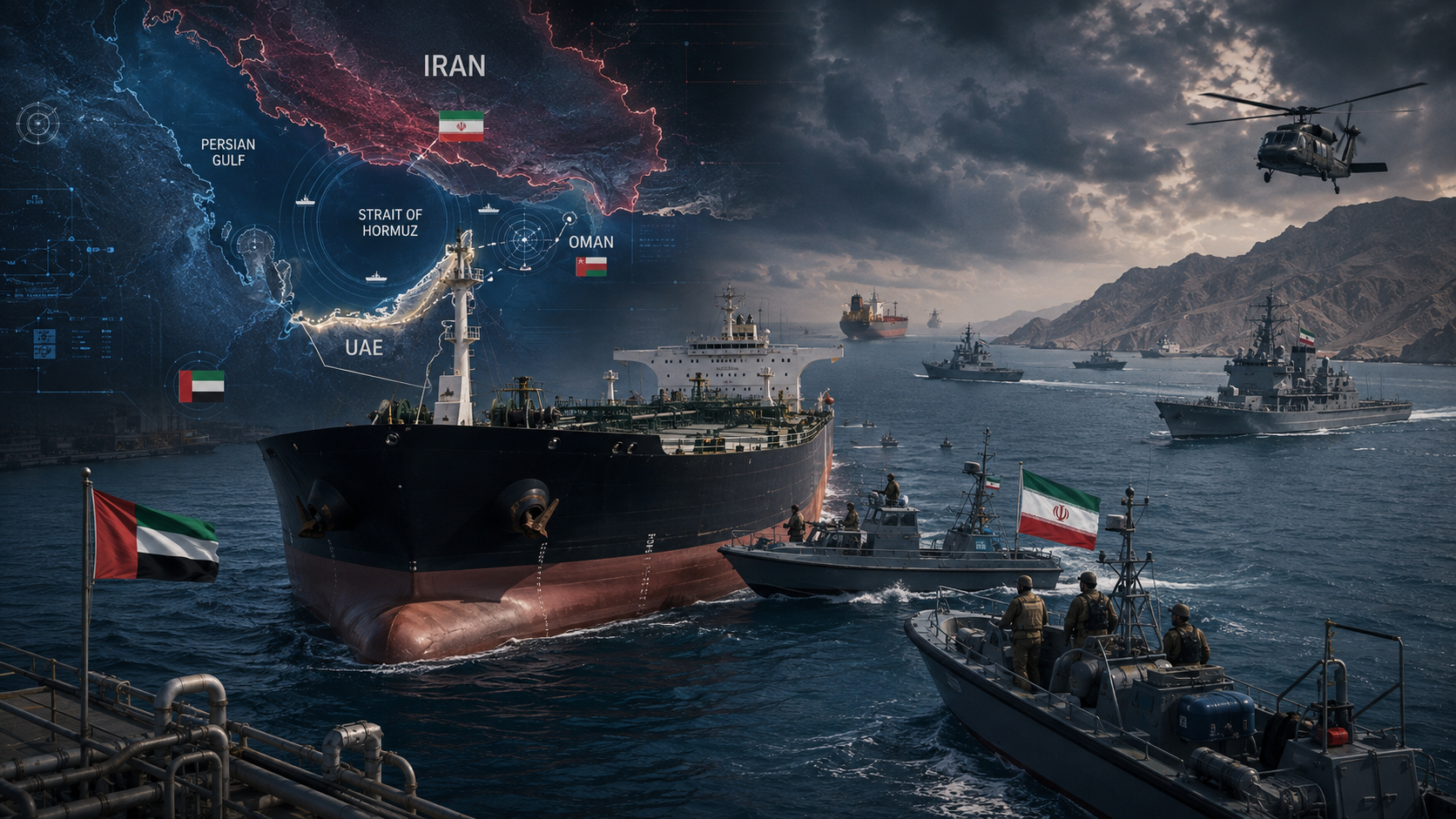
Oil prices climbed as investors worried that any disruption around key Middle Eastern shipping lanes could affect global energy supplies. Traders remain especially focused on developments surrounding the Strait of Hormuz, one of the world’s most important oil transit routes.
If military activity intensifies further, analysts believe energy prices could remain volatile in the coming days.
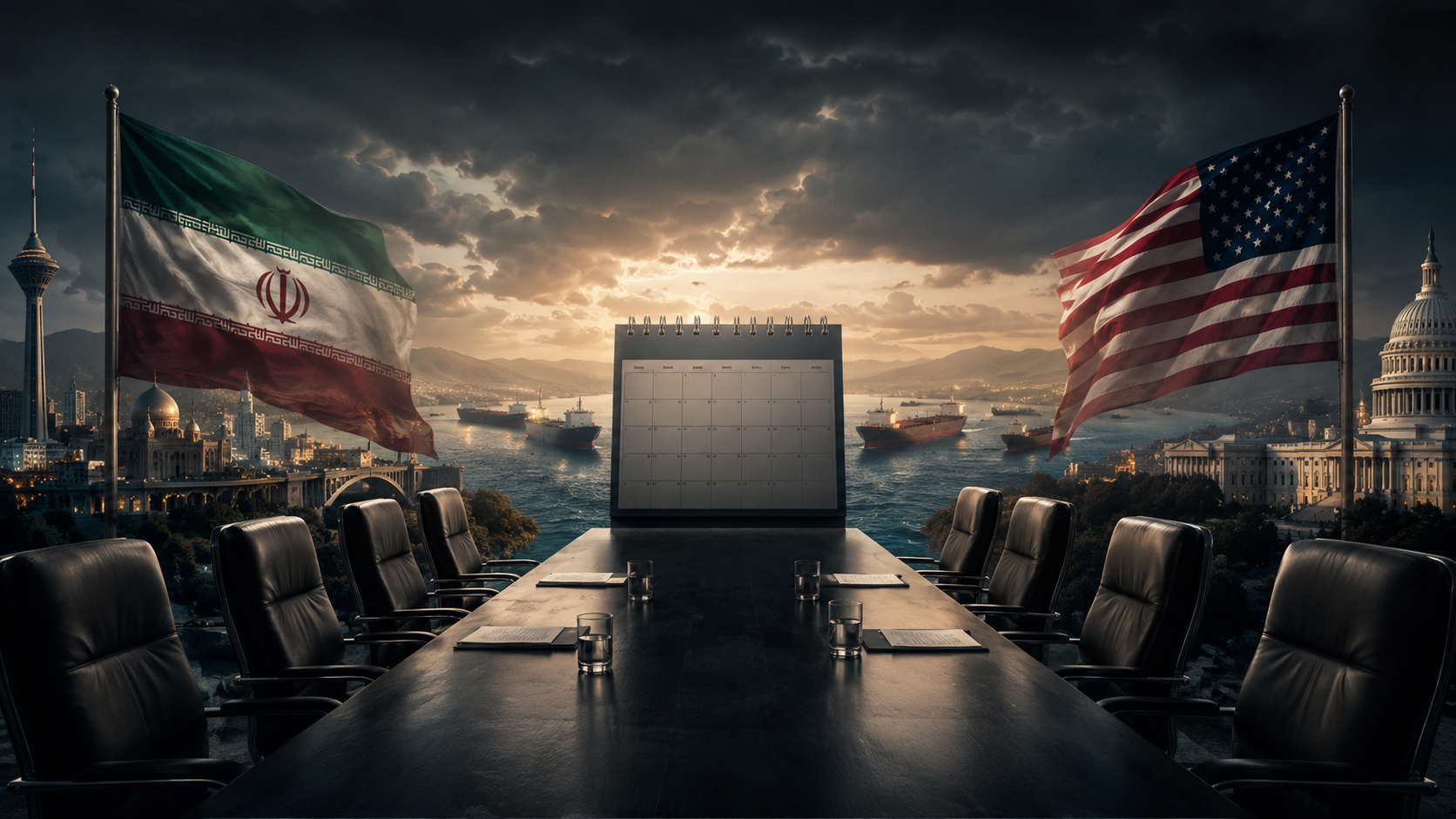
Despite his strong rhetoric, Trump also suggested that diplomatic discussions with Iran have not completely ended.
Officials say negotiations remain possible, although recent military exchanges have made any breakthrough significantly more difficult. Many international observers believe diplomacy now faces its toughest test in months as both sides exchange warnings while maintaining military readiness.
The coming days may prove critical for regional stability.
Experts are closely watching for:
Even a limited military exchange could quickly expand if either side increases its response.
President Trump’s promise to “hit Iran hard” following the latest missile attack signals that tensions between Washington and Tehran remain dangerously high. Although U.S. defenses reportedly prevented casualties, the exchange has heightened fears of a broader Middle East conflict with potential consequences for global security, energy markets, and international diplomacy.
As military forces remain on alert and world leaders monitor developments closely, the next decisions made by both Washington and Tehran could shape the region’s future for months to come.