

 11
11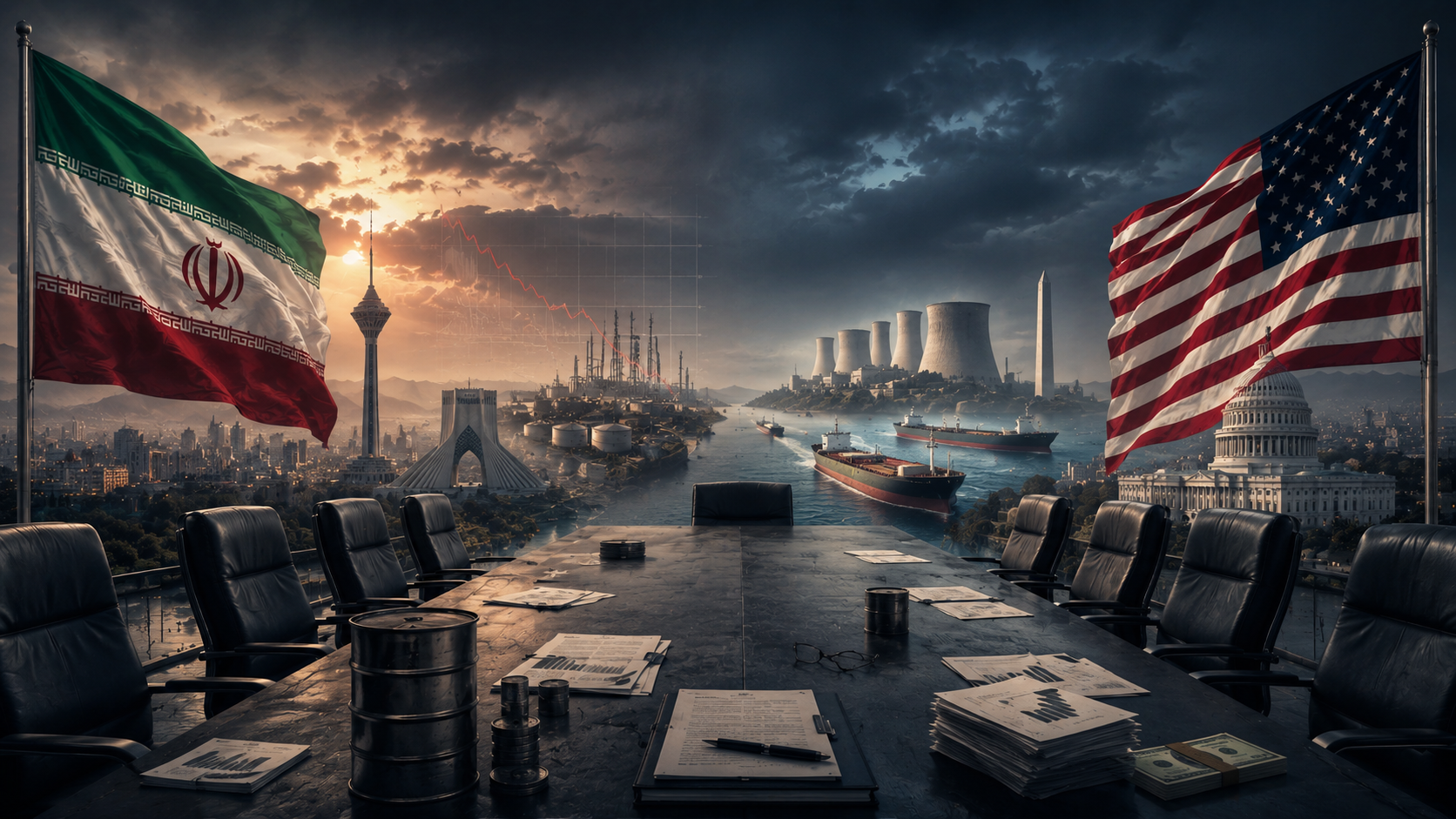
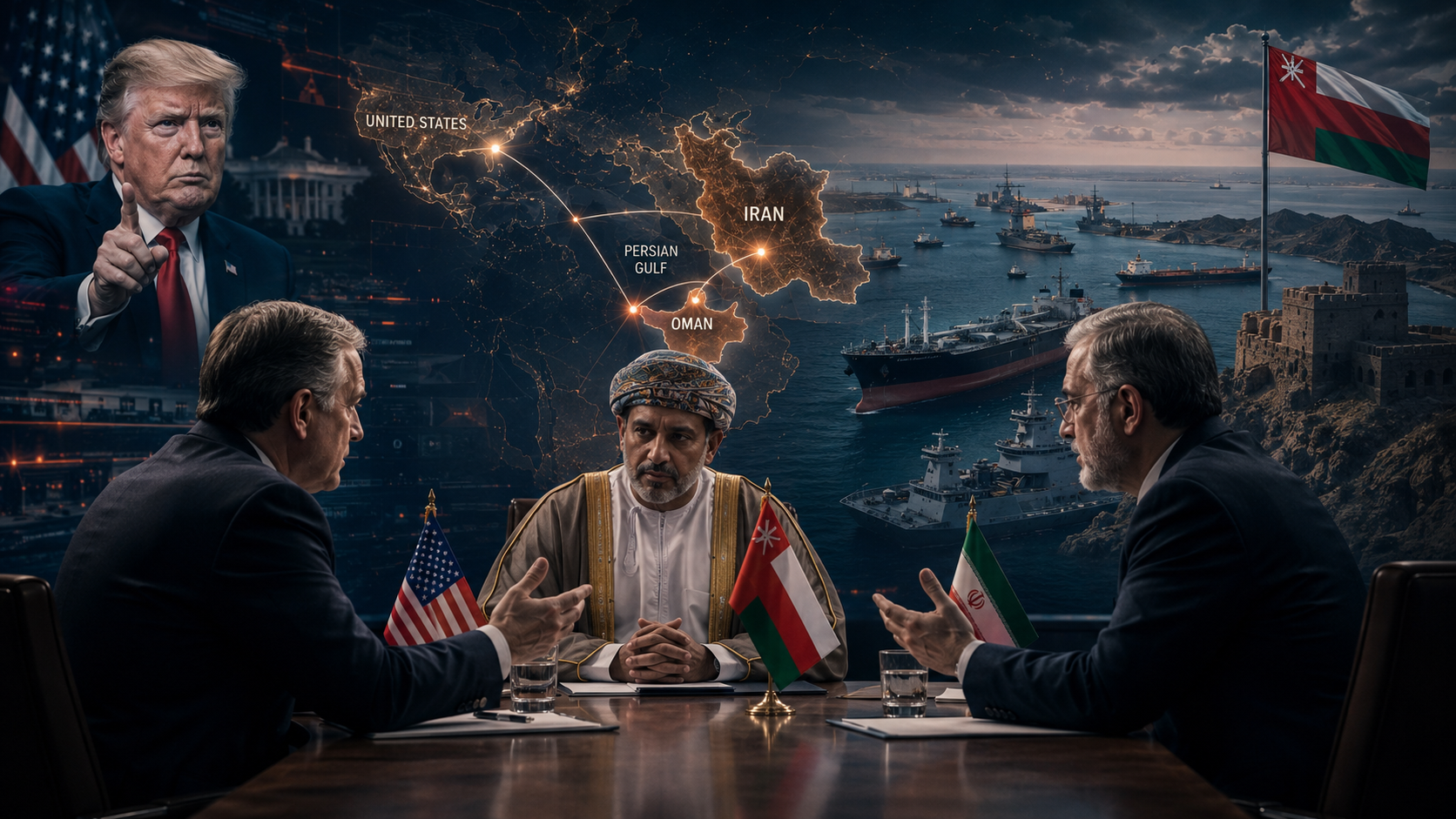
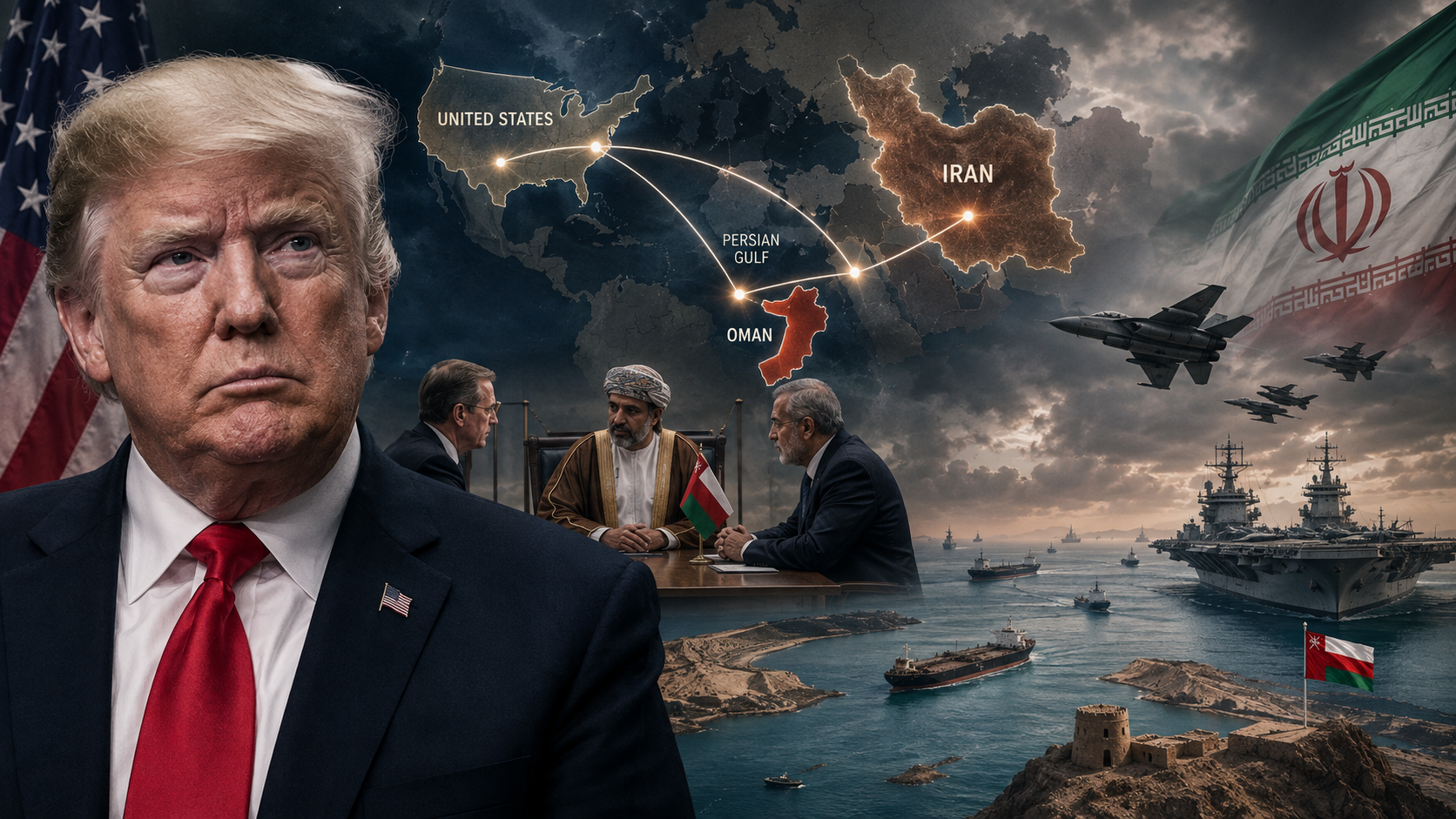
Iran’s refusal to return to negotiations with the United States is not simply about diplomacy. At the heart of the dispute is a deeper problem: Iran argues that Washington continues to impose pressure and sanctions while asking Tehran to negotiate at the same time.
From Tehran’s perspective, sitting at the negotiating table while new American restrictions continue to target its economy creates a difficult political and strategic situation. Iranian officials have repeatedly questioned why they should make concessions when the United States can continue increasing economic pressure regardless of diplomatic progress.
This is one of the key reasons Iran is reluctant to restart direct talks with the US.
The disagreement goes far beyond a single negotiation. It involves sanctions, Iran’s nuclear program, American military pressure, regional security, oil exports and years of mistrust between the two countries.
For Washington, sanctions are designed to pressure Iran into changing its behavior. For Tehran, however, those same sanctions are evidence that the United States is not negotiating in good faith.
That difference in interpretation has created a diplomatic deadlock.
The simplest explanation is lack of trust.
Iran does not view negotiations as a normal conversation between two equal partners. The country’s leaders have spent years dealing with American sanctions, political pressure and threats of further action.
As a result, Tehran has increasingly argued that negotiations cannot be meaningful while Washington continues applying maximum economic pressure.
The Iranian position can be summarized this way:
This creates a cycle that is extremely difficult to break.
The more pressure Washington applies, the less willing Tehran may become to negotiate.
At the same time, the United States argues that sanctions are necessary precisely because diplomatic pressure alone has not produced the results Washington wants.
That creates the central contradiction in the relationship.
Economic sanctions are one of the most powerful tools the United States uses against Iran.
They can target Iranian oil exports, financial institutions, companies, individuals and other parts of the economy.
The purpose is to make certain policies more costly for Tehran and encourage Iranian leaders to accept negotiations on issues important to Washington.
However, sanctions can have the opposite diplomatic effect.
When a government believes it is being economically attacked, it may become less willing to compromise, particularly when negotiations are already associated with political risk.
For Iran, sanctions are therefore not simply an economic issue.
They are also a question of sovereignty and national security.
Sanctions can create several competing pressures:
| US strategy | Intended result | Possible Iranian reaction |
|---|---|---|
| Oil sanctions | Reduce Iranian revenue | Seek alternative buyers |
| Financial restrictions | Limit international transactions | Develop alternative payment channels |
| Company sanctions | Increase economic pressure | Shift business networks |
| Diplomatic pressure | Encourage concessions | Strengthen resistance |
| Military pressure | Deter escalation | Increase security preparations |
This does not mean sanctions have no impact.
They can create serious economic difficulties and increase pressure on the Iranian government.
But economic pain does not automatically translate into diplomatic concessions.
That distinction is crucial to understanding why negotiations remain difficult.
One of Tehran’s biggest objections is the environment in which negotiations take place.
Iran wants sanctions relief and security assurances to be part of any meaningful agreement.
The United States, meanwhile, wants Iran to make significant commitments before receiving all of the benefits Tehran seeks.
This creates a classic negotiating problem.
Each side wants the other to move first.
Iran can argue:
Why should we make concessions while sanctions remain in place?
Washington can respond:
Why should we remove pressure before Iran makes verifiable commitments?
Neither position easily satisfies the other.
That is why the dispute has continued despite repeated diplomatic efforts.
The Iran nuclear program remains one of the most sensitive parts of the disagreement.
Iran has consistently maintained that its nuclear activities are intended for peaceful purposes and has rejected accusations that it is seeking nuclear weapons.
The United States and its allies, however, remain concerned about Iran’s nuclear capabilities and the possibility that Tehran could move closer to developing a nuclear weapon.
The 2015 nuclear agreement attempted to address these concerns through restrictions and monitoring in exchange for sanctions relief.
But the United States later withdrew from that agreement during Donald Trump’s first presidency and restored sanctions.
That history has had a lasting effect on Iranian thinking.
From Tehran’s perspective, an important question remains:
What guarantees exist that another agreement will not eventually be abandoned?
Without confidence that an agreement will survive political changes in Washington, Iranian leaders may be reluctant to make major concessions.
It would be a mistake to think that the disagreement is only about uranium enrichment or nuclear facilities.
The relationship now involves multiple issues.
Iran wants substantial relief from American sanctions, while Washington wants to retain economic leverage.
The United States wants stronger limits and verification regarding Iran’s nuclear activities.
Washington is concerned about Iran’s relationships with armed groups and political partners across the Middle East.
Iran’s missile program is another major issue for the United States and its allies.
Iran wants assurances that it will not simply make concessions today only to face new pressure tomorrow.
These issues are interconnected.
A compromise on one issue can therefore become difficult if the two sides remain far apart on the others.
At first glance, increasing sanctions may appear to be a straightforward negotiating strategy.
The theory is simple:
More economic pressure → greater Iranian pain → stronger incentive to negotiate.
But international diplomacy does not always work that way.
A government under pressure may decide that accepting demands would threaten its political survival or national security.
Instead of compromising, it may become more resistant.
For Iran, additional sanctions can strengthen arguments made by political factions that oppose negotiations with Washington.
Those factions can point to continued American pressure as evidence that the United States cannot be trusted.
That makes diplomacy politically harder.
Imagine an Iranian leader agreeing to major concessions while new US sanctions are being announced.
Opponents could immediately argue that Iran surrendered under pressure without receiving meaningful benefits.
The government would then face criticism from both sides:
This is one reason negotiations require more than simply putting officials in the same room.
Iran’s position is not simply that it wants the United States to stop imposing sanctions.
Tehran also wants a clear economic and political benefit from diplomacy.
If Iran limits parts of its nuclear program, for example, it wants meaningful sanctions relief and greater access to international economic opportunities.
This creates the principle of reciprocity.
Iran wants concessions from Washington in exchange for concessions from Tehran.
The United States, however, may want Iran to demonstrate compliance before significant sanctions relief is delivered.
That difference over sequencing can derail negotiations.
Iran’s preferred approach:
Washington’s preferred approach:
Neither side necessarily sees the other’s approach as reasonable.
That is the fundamental diplomatic problem.
If Tehran believes that negotiations with the current US administration cannot produce a stable agreement, waiting can become a strategic option.
Iran could use the period to:
This strategy carries risks, but it can appear preferable to signing an agreement that Iranian leaders believe may later collapse.
The question then becomes whether time benefits Iran more than it benefits the United States.
That remains uncertain.
Washington also faces pressure to demonstrate that sanctions and diplomatic leverage are producing results.
From the American perspective, simply removing sanctions without obtaining meaningful commitments could weaken its negotiating position.
The United States also has to consider its allies and regional partners.
A deal that appears too favorable to Tehran could face opposition from countries concerned about Iran’s nuclear capabilities and regional influence.
Consequently, Washington has strong incentives to maintain leverage.
This explains why sanctions can continue even while American officials express an interest in diplomacy.
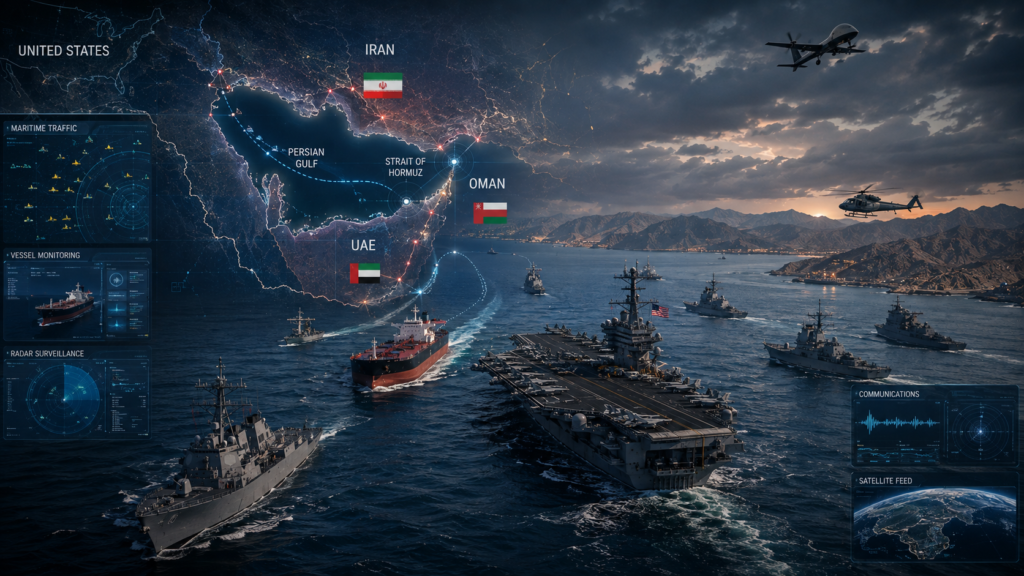
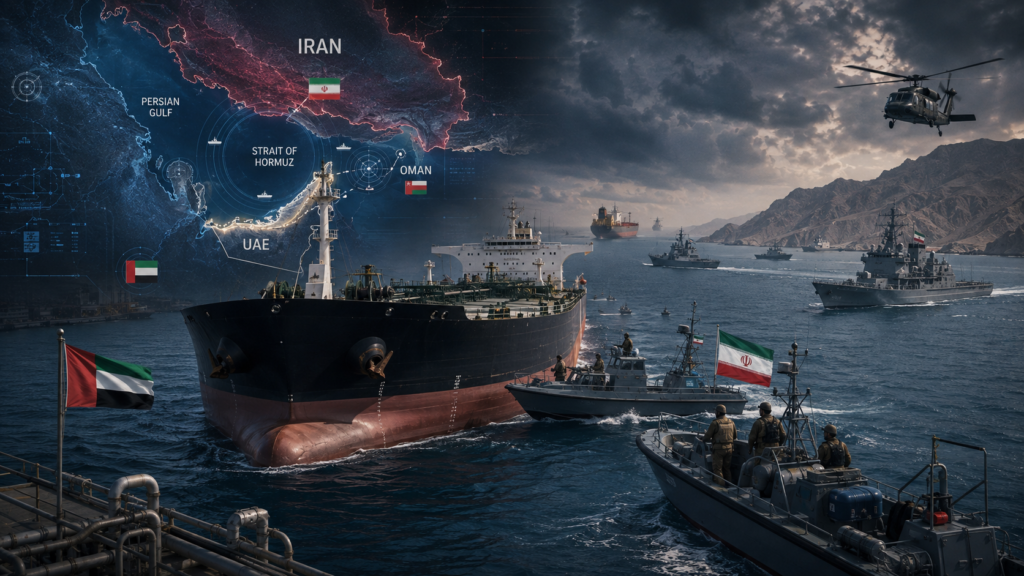
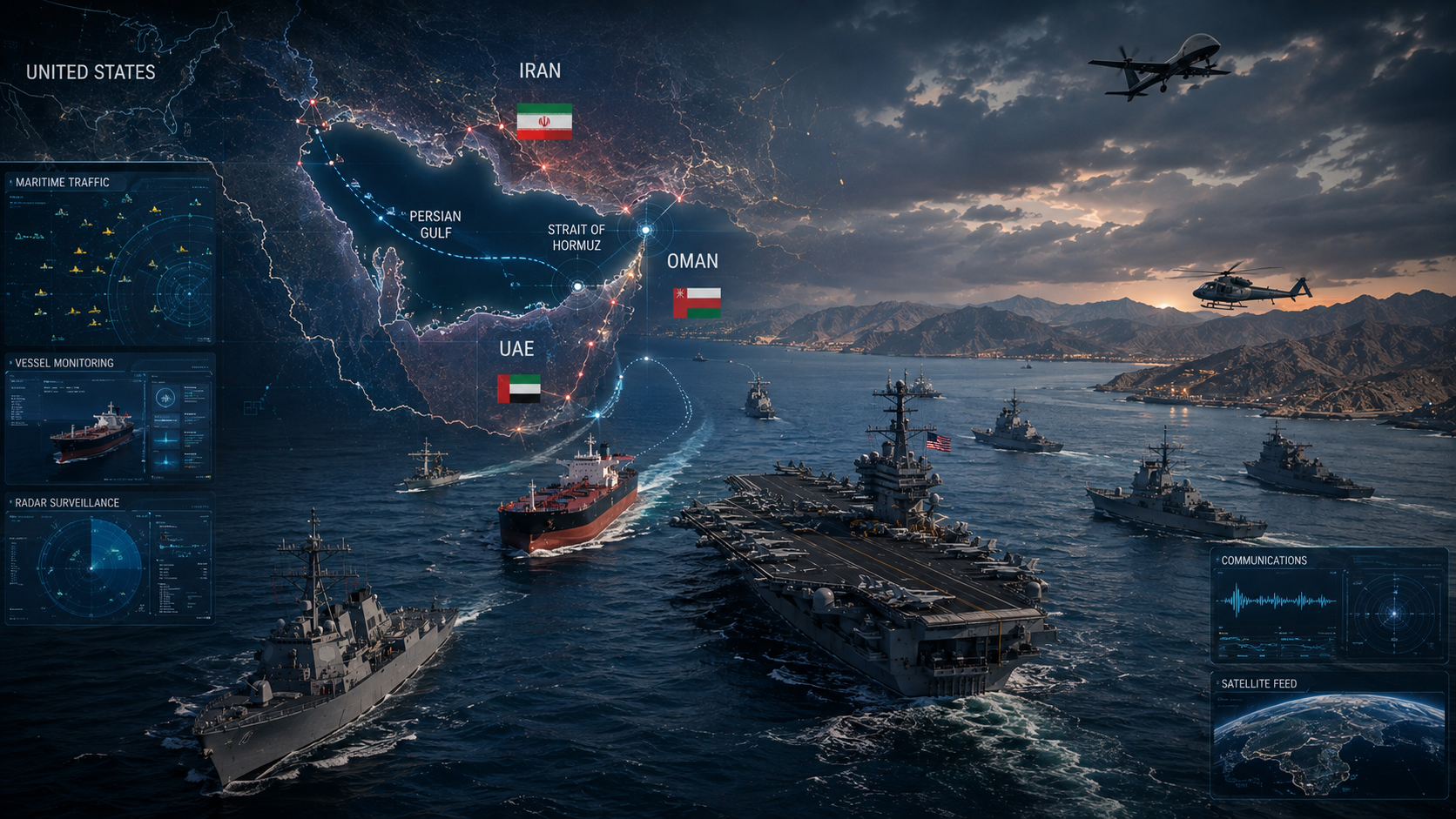
The dispute is particularly important because Iran sits beside the Strait of Hormuz, one of the world’s most strategically significant energy routes.
A serious escalation between Iran and the United States could affect shipping and global energy markets.
That means the consequences of failed diplomacy would not remain limited to Washington and Tehran.
They could potentially affect:
This is why other governments have a strong interest in keeping communication channels open.
Even countries that disagree with Iran’s policies may prefer negotiations to a prolonged military confrontation.
Yes.
Refusing talks under current conditions does not necessarily mean that Iran will never negotiate with Washington again.
Diplomatic positions can change rapidly when circumstances change.
Several developments could reopen negotiations.
If Washington offers meaningful sanctions relief or creates a clearer pathway toward economic normalization, Tehran could reconsider its position.
Third-party countries could help establish indirect communication when direct talks become politically difficult.
A new framework for monitoring and limiting Iran’s nuclear activities could provide a starting point for broader diplomacy.
Progress on regional tensions could create the confidence necessary for nuclear negotiations.
Changes in either country can significantly alter diplomatic calculations.
Therefore, the current refusal should not automatically be interpreted as a permanent end to diplomacy.
The most likely danger is a prolonged period of pressure without resolution.
The United States could continue sanctions.
Iran could continue resisting American demands.
Both sides could maintain military deterrence.
Meanwhile, regional tensions could remain high.
This would create a situation where neither country wants a full-scale war but neither is willing to make the concessions necessary for a lasting agreement.
That kind of environment is dangerous because even a relatively small incident can produce a much larger crisis.
A military misunderstanding, attack, shipping incident or sudden political development could force both governments into decisions they did not originally intend to make.
A future agreement would probably need to address the concerns of both sides rather than focusing on only one issue.
A sustainable diplomatic framework could require:
Most importantly, both sides would need to believe that diplomacy produces a better outcome than confrontation.
That sounds simple, but achieving it is extremely difficult after years of mistrust.
Iran has strong objections to negotiating while the United States continues applying sanctions and political pressure. Tehran argues that meaningful diplomacy requires trust and reciprocal concessions.
No. The disagreement also involves Iran’s nuclear program, regional security, missiles, sanctions relief and the history of broken diplomatic commitments.
Yes. Sanctions can restrict access to international financial systems, reduce economic opportunities and complicate oil exports and international trade. However, economic pressure does not necessarily guarantee that Iran will accept American demands.
Iran argues that sanctions undermine its economy and should be lifted as part of any meaningful diplomatic agreement. Tehran wants economic benefits in exchange for significant concessions.
Yes. Diplomatic positions can change when political, economic or security circumstances change. Indirect negotiations through third-party countries could also provide a pathway back to direct talks.
No. Continued tension increases risks, but neither sanctions nor diplomatic disagreement automatically means another war will occur. Maintaining communication channels remains important for preventing escalation.
The reason Iran is reluctant to negotiate with the United States cannot be reduced to one disagreement.
At the center of the problem is a cycle of sanctions, pressure and mistrust.
Washington believes economic pressure can persuade Tehran to make meaningful concessions. Iran, meanwhile, sees continued American sanctions as evidence that the United States is demanding negotiations without creating the conditions necessary for trust.
That is why repeated pressure can sometimes make diplomacy harder rather than easier.
A lasting solution will require more than another round of talks. The United States and Iran would need to establish a system in which concessions are reciprocal, sanctions relief is meaningful, nuclear commitments are verifiable and both sides have confidence that an agreement can survive political changes.
Until that happens, the standoff is likely to continue.
For Iran, refusing to negotiate under heavy pressure may be a way to protect its bargaining position. For the United States, maintaining sanctions may remain an essential source of leverage.
The difficult part is finding the point where pressure becomes diplomacy rather than an obstacle to diplomacy.
Iran, United States, US Iran Relations, Iran Sanctions, Iran US Talks, Donald Trump, Iran Nuclear Program, Middle East, US Sanctions, Geopolitics, World News, Strait of Hormuz
One thought on “Why Iran Is Refusing Talks as the US Keeps Imposing Sanctions”