
 11
11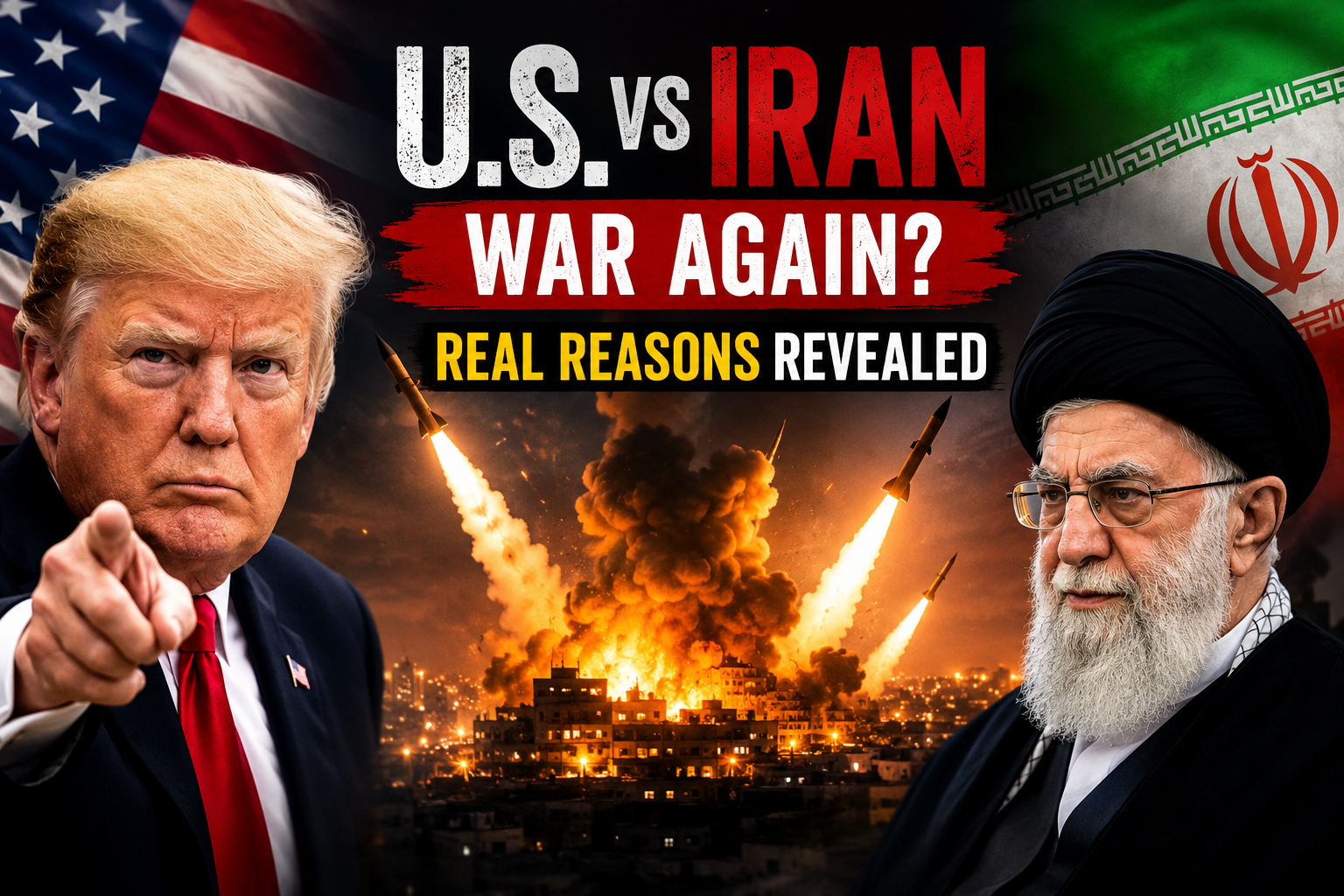
The world is once again watching the Middle East with fear. After months of fighting, the United States and Iran have failed to reach a lasting settlement. Instead, the situation has moved back toward military escalation, economic pressure, and threats of further attacks.
President Donald Trump has warned that the United States can strike Iran again if Tehran retaliates or continues actions that Washington considers a threat. At the same time, Iran has attacked U.S. interests and facilities in the region after renewed American strikes. So the obvious question is:
Why does Trump want to keep the pressure on Iran? What does America actually gain from this war? And is this really about Iran’s nuclear program, or is there something bigger behind it?
The answer is complicated. There is no single reason.
The most important American argument is Iran’s nuclear capability. Washington has repeatedly argued that Iran must not be allowed to develop a nuclear weapon. The Trump administration has therefore demanded major restrictions on Iran’s nuclear activities and has insisted that remaining nuclear material and capabilities must be dealt with.
However, the situation is far from simple. Even after earlier American attacks, questions remained about how much of Iran’s nuclear infrastructure and enriched material survived. Recent reporting has challenged Trump’s earlier claim that Iran had been completely “denuclearized.” This is one of the biggest reasons Washington does not simply walk away. From the American point of view, allowing Iran to rebuild a serious nuclear capability could create a much more dangerous Middle East. But there is another side.
Iran argues that it has the right to develop nuclear technology for peaceful purposes and rejects the idea that the United States should dictate its security policy. That disagreement has become one of the deepest obstacles to peace.
Interestingly, Trump has not always presented war as the final objective. His broader strategy appears to be based on maximum pressure: military pressure, sanctions, economic isolation, and negotiations. The idea is relatively straightforward: Make the cost of refusing an agreement so high that Iran eventually decides that negotiating is better than continuing the confrontation.
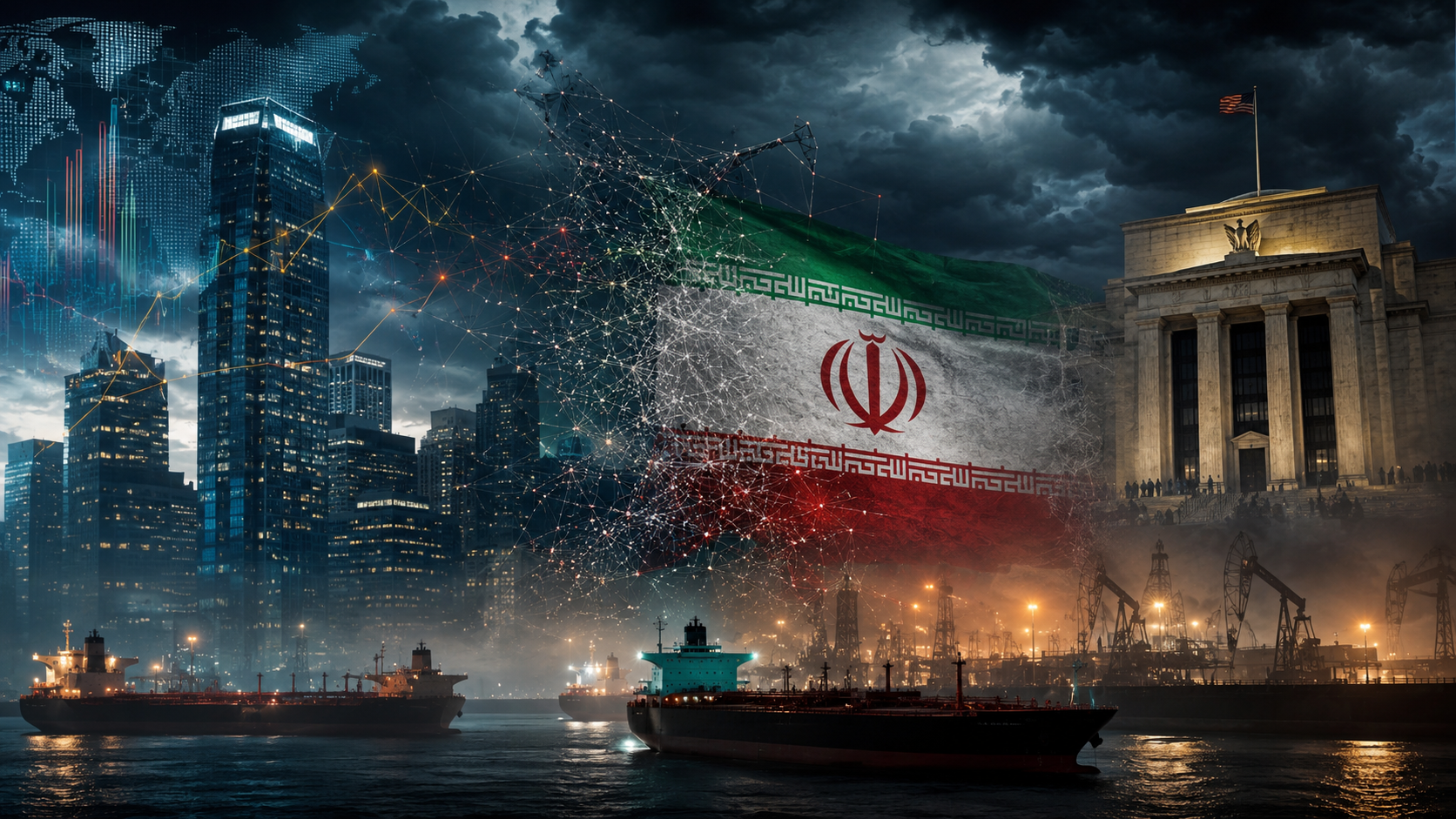
The United States has dramatically increased economic pressure on Tehran. Reuters reported this week that American sanctions and the blockade have severely damaged Iran’s economy, with oil exports falling sharply and inflation approaching 70%. Therefore, the bombs are only one part of the strategy. Economic pressure is the other weapon. Washington wants Iran to understand that refusing American demands could mean continued sanctions, restricted oil exports, military strikes, and international isolation. The problem is that this strategy can also produce the opposite reaction.
Instead of surrendering, a country under extreme pressure may become more defensive, more aggressive, and less willing to compromise. That is exactly the danger the world is now facing.
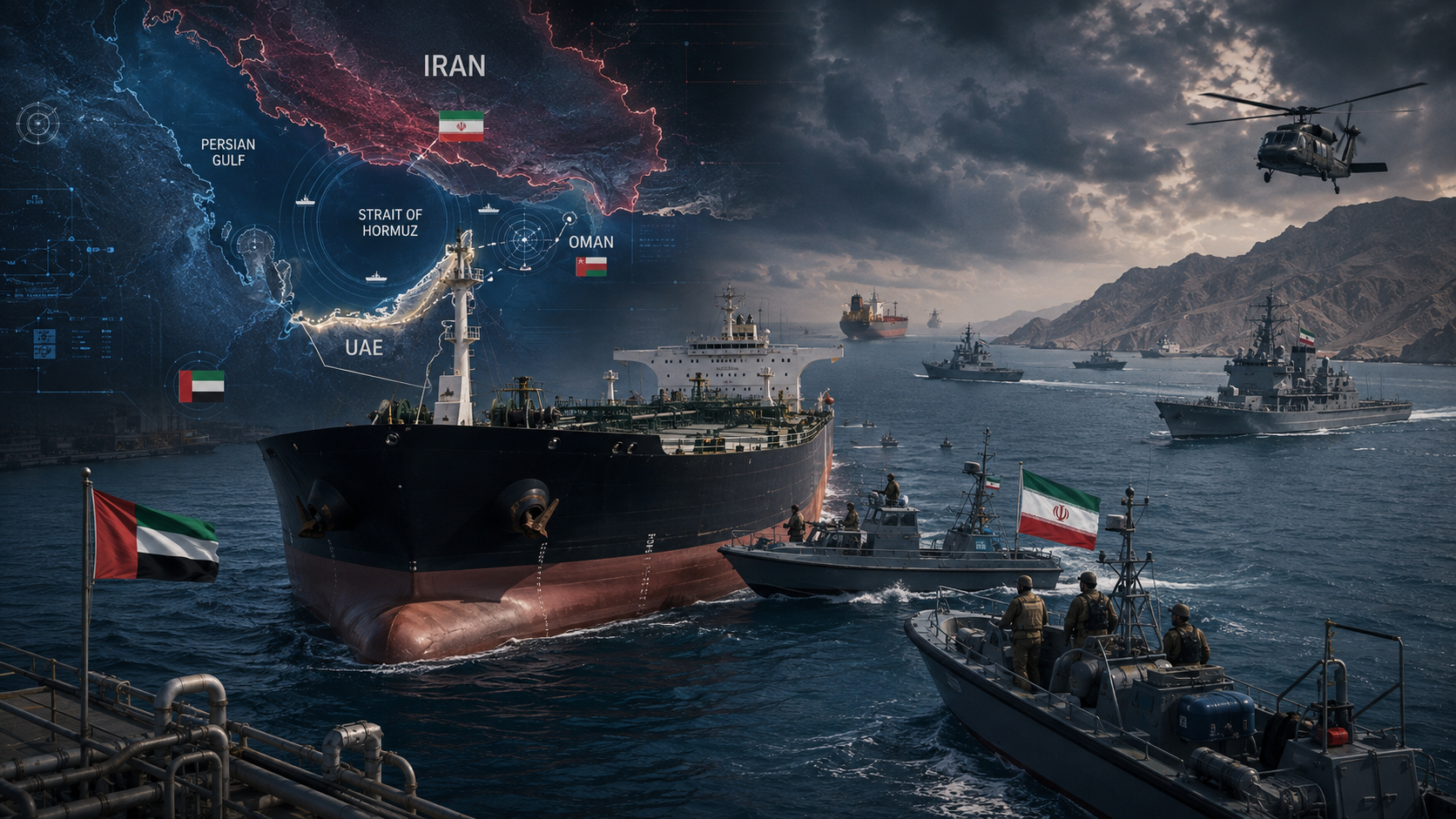
If you want to understand why the United States is so focused on this conflict, you cannot ignore the Strait of Hormuz. This narrow waterway connects the Persian Gulf with the Gulf of Oman and the Arabian Sea. It is one of the most important energy routes on Earth. Millions of barrels of oil normally pass through the region. That means Iran’s ability to threaten shipping through the Strait gives Tehran enormous strategic leverage. And America does not want Iran controlling that leverage.
The Trump administration has therefore made keeping the Strait open a major objective. The White House says U.S. forces have been protecting commercial shipping and moving large quantities of oil through the waterway while preventing Iran from using it as economic leverage. Recent U.S. strikes have also been linked to Iranian military capabilities around the Strait. In simple words: America wants the world’s energy routes to remain open and wants Iran to understand that it cannot use Hormuz as a weapon.
This is where the discussion often becomes emotional. Yes, oil and energy security matter enormously. But saying “America is attacking Iran only to steal its oil” does not accurately explain the entire situation. The United States itself is a major energy producer, so the argument is much more complicated than simply saying America needs Iranian oil. The real strategic concern is control and stability of a global energy route. If the Strait of Hormuz becomes unstable, the consequences are not limited to America.
Asian economies, European markets and developing countries can all feel the impact through higher energy prices, shipping costs and inflation. Therefore, keeping the route open gives Washington an important strategic advantage. It also strengthens America’s position as the country capable of protecting international shipping in one of the world’s most important regions.
There is another major reason for Washington’s aggressive response. The United States has military bases and personnel across the Middle East. It also has close security relationships with countries including Gulf states and Israel. When Iran attacks U.S. forces or American partners, Washington faces a difficult choice: Respond or risk appearing unable to protect its people and allies. Recent fighting has demonstrated how quickly the conflict can spread.
Iran has launched attacks toward U.S. and allied positions in the Gulf, while Washington has responded with strikes against Iranian military targets. For Trump, backing down after an attack could be politically and strategically costly. Therefore, every Iranian attack creates pressure for an American response. And every American response creates another reason for Iran to retaliate. This is how a dangerous cycle of escalation develops.
There is also a political dimension. Trump has built much of his foreign-policy image around the idea that the United States should project strength and that America’s enemies should fear the consequences of challenging Washington. For him, appearing weak is politically dangerous. His administration has repeatedly presented the Iran campaign as evidence that the United States is capable of using overwhelming economic and military power to force an adversary to change its behavior. A quick victory would therefore be politically valuable. But the problem is that Iran has not simply collapsed.
The conflict has already lasted much longer than the short campaign Trump originally predicted. ABC News reported that the war had reached six months despite earlier expectations that it would last only several weeks. That creates a serious problem for Washington. The longer the conflict continues, the harder it becomes to explain why the war has not produced a final settlement.
This is probably the most important question. America potentially gains several things from maintaining pressure on Iran.
Washington wants other countries to understand that attacking American forces or threatening major international shipping routes can bring a powerful response.
A strong American military presence allows Washington to influence what happens around the Gulf, Israel, and major energy routes.
Sanctions and military pressure are already damaging Iran’s economy. Reuters reports that Iran is facing severe economic stress, falling oil exports and a sharply weakened currency. The American calculation is that economic pain could eventually force Tehran to compromise.
This may actually be one of the biggest objectives. Trump wants to enter negotiations from a position of strength. His message is essentially:
“You can negotiate now, or you can face even greater pressure later.”
Whether that strategy succeeds is another question.
War does not create winners without creating victims. For ordinary Iranian families, the consequences can be devastating.
When infrastructure, trade, fuel supplies, and financial systems are disrupted, ordinary people pay the price first. Iran is already experiencing severe economic pressure, including shortages, inflation, and declining trade.
But Americans can also pay a price. The United States is spending enormous amounts of money on military operations, while prolonged deployments place pressure on American forces and weapons stocks. Recent reporting has raised concerns about depleted inventories of several advanced missile and air-defense systems. And the biggest danger is not even the cost. It is escalation.
This is what should genuinely worry the world. Iran does not need to defeat America directly to create enormous damage. It can target U.S. bases, regional allies, shipping routes, and energy infrastructure. At the same time, disruption around the Strait of Hormuz can affect global oil and gas markets. That means a conflict between two countries can quickly become a global economic problem. Higher oil prices mean more expensive transportation.
More expensive transportation means higher food and manufacturing costs. And higher costs can eventually produce inflation in countries thousands of miles away from the battlefield. For developing economies, the impact can be particularly painful. Pakistan and other energy-importing countries could face pressure from higher fuel and transportation costs if the disruption becomes prolonged.
Perhaps the most tragic part of the current situation is that both sides have reasons to continue. Trump does not want Iran to believe that attacking American forces is consequence-free. Iran does not want to appear as though American military pressure has forced it into surrender. America wants deterrence. Iran wants survival and sovereignty. Both sides therefore have strong incentives to show strength.
And that creates a dangerous contradiction: Every attack is presented as defensive. Every retaliation becomes a reason for another retaliation. Eventually, the original political objective can become lost inside the military escalation.
The real question is how this ends. America has enormous military power, economic influence, and global alliances. Iran, however, has geography, missiles, regional networks, energy leverage and the ability to make any prolonged conflict extremely expensive. That is why completely destroying Iran is not a realistic definition of victory.
The more realistic American objective is to weaken Iran’s military capabilities, restrict its nuclear program, protect shipping, pressure its government, and eventually force a stronger agreement. Whether bombing and economic warfare can achieve that remains uncertain. In fact, prolonged pressure can sometimes strengthen hardliners rather than weaken them.
So, why does Trump keep threatening Iran with more attacks? Because Washington believes Iran still possesses capabilities that can threaten U.S. forces, American allies, commercial shipping, and the wider regional balance. But there is also a broader strategic calculation. America wants leverage.
It wants Iran weaker at the negotiating table, wants the Strait of Hormuz open, wants its military presence respected and wants to prevent Tehran from becoming a nuclear-armed regional power. At the same time, America must consider the enormous costs of continuing the war.
The uncomfortable truth is that military power can destroy weapons, bases, and infrastructure much faster than it can solve political problems. And that is why the world should not only ask whether Trump can hit Iran again. It should ask a much more important question: If America attacks again, what comes after the bombs? Because if there is no credible diplomatic solution waiting at the end of the battlefield, another strike may not bring peace. It may simply begin the next round.