
 11
11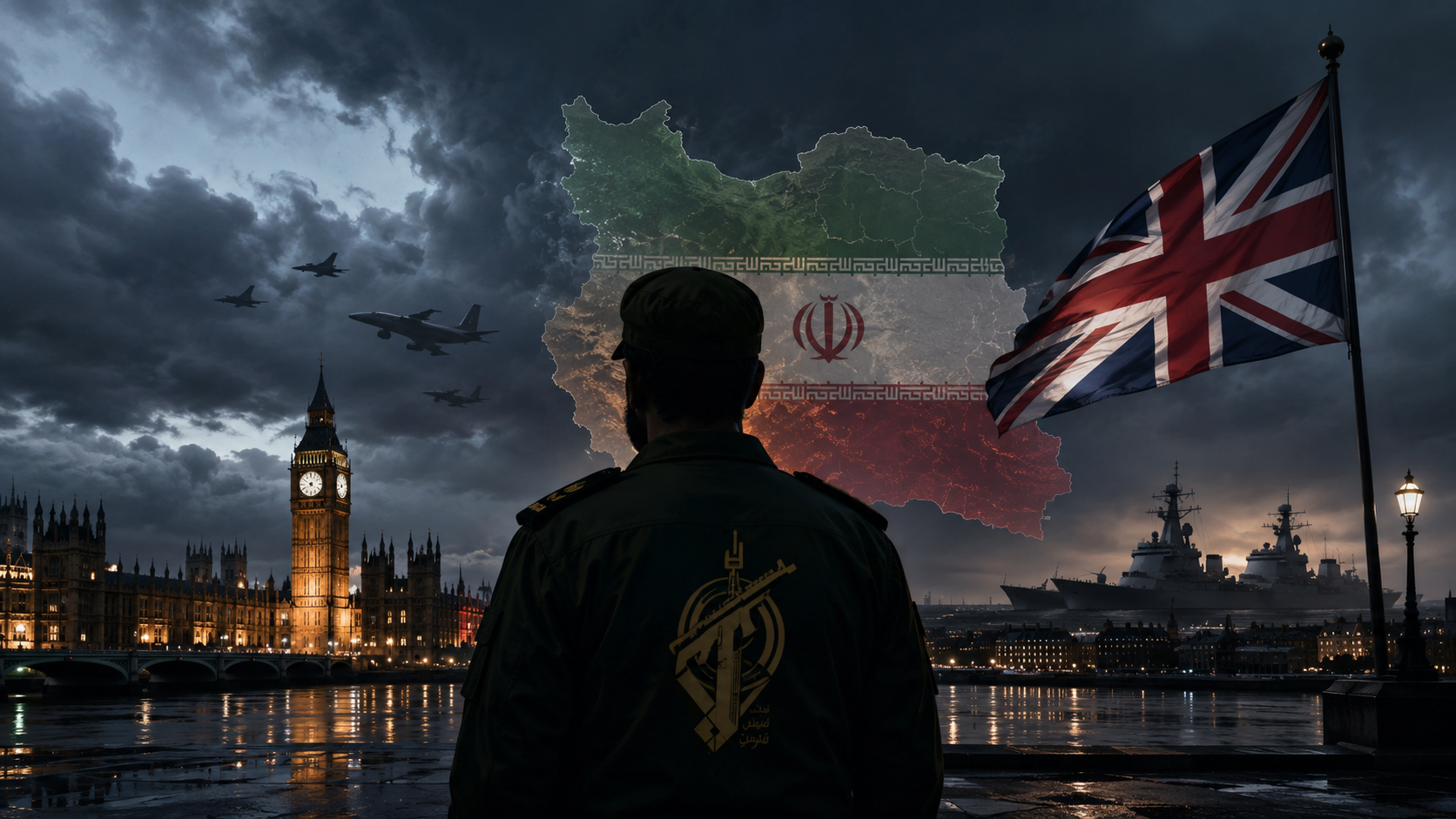
A single warning from Iran’s Revolutionary Guard has sent fresh shockwaves through global capitals, raising fears that the Israel-Iran conflict could spill far beyond the Middle East.
As tensions continue to rise, Britain has suddenly found itself at the center of Tehran’s latest threats—leaving world leaders scrambling to prevent another dangerous escalation.
The latest warning comes from Iran’s Islamic Revolutionary Guard Corps (IRGC), which accused the United Kingdom of supporting recent U.S. military attacks on Iranian targets. The statement marks one of Tehran’s strongest public warnings toward Britain since the conflict intensified.
According to Iranian state-linked media, the IRGC claimed that any country assisting the United States in military operations against Iran would be considered part of the conflict.
Although the UK has denied participating directly in any offensive strikes, Iranian officials alleged that British support for U.S. operations makes London partly responsible. The warning suggested Britain could face retaliation if it continues backing Washington.
The remarks have significantly increased concerns among international observers, who fear the conflict may expand beyond its current borders.
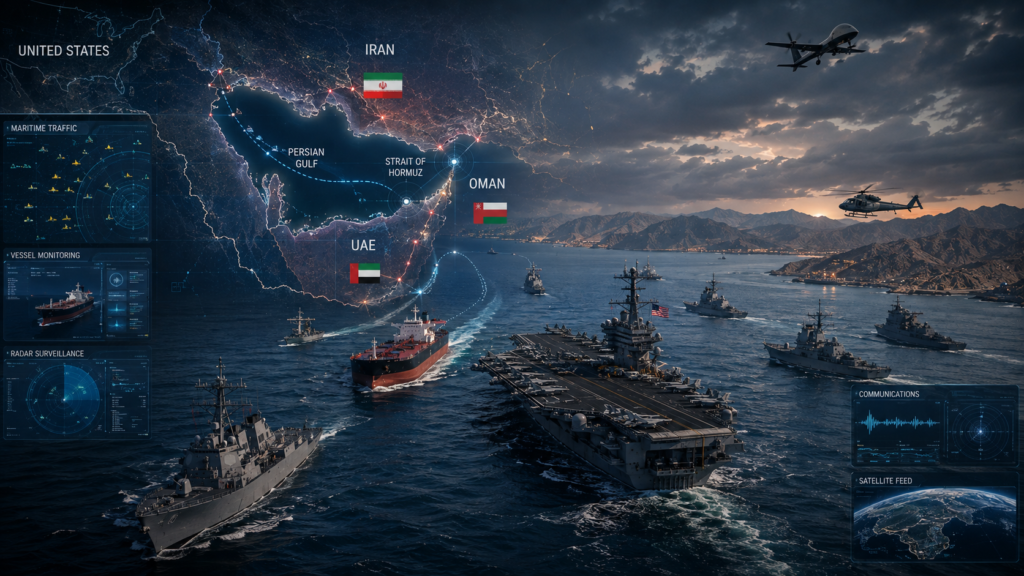
The United Kingdom remains one of Washington’s closest military and intelligence allies. British forces also maintain a strategic presence across the Middle East, including naval operations designed to protect commercial shipping routes.
Iran believes Western military cooperation strengthens U.S. operations in the region. Because of that alliance, British interests could become vulnerable if hostilities continue to grow.
Security analysts say the latest rhetoric appears aimed at deterring further Western involvement while demonstrating Iran’s willingness to respond beyond its immediate rivals.
The warning comes after weeks of escalating confrontation involving Iran, Israel, and the United States.
Recent military exchanges have included:
Each new development has increased the possibility of miscalculation, making diplomatic efforts even more urgent.
Investors are also monitoring the situation carefully.
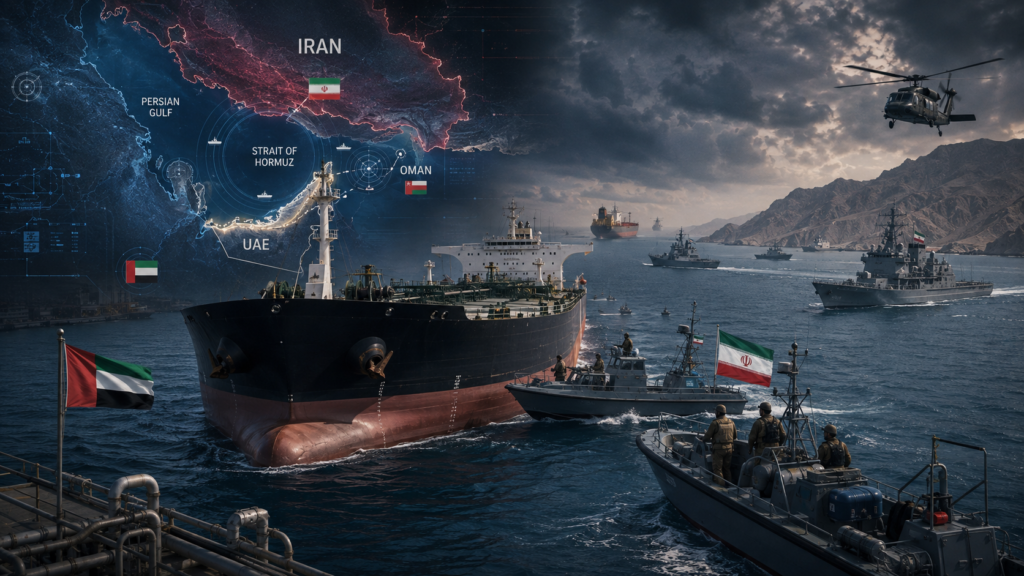
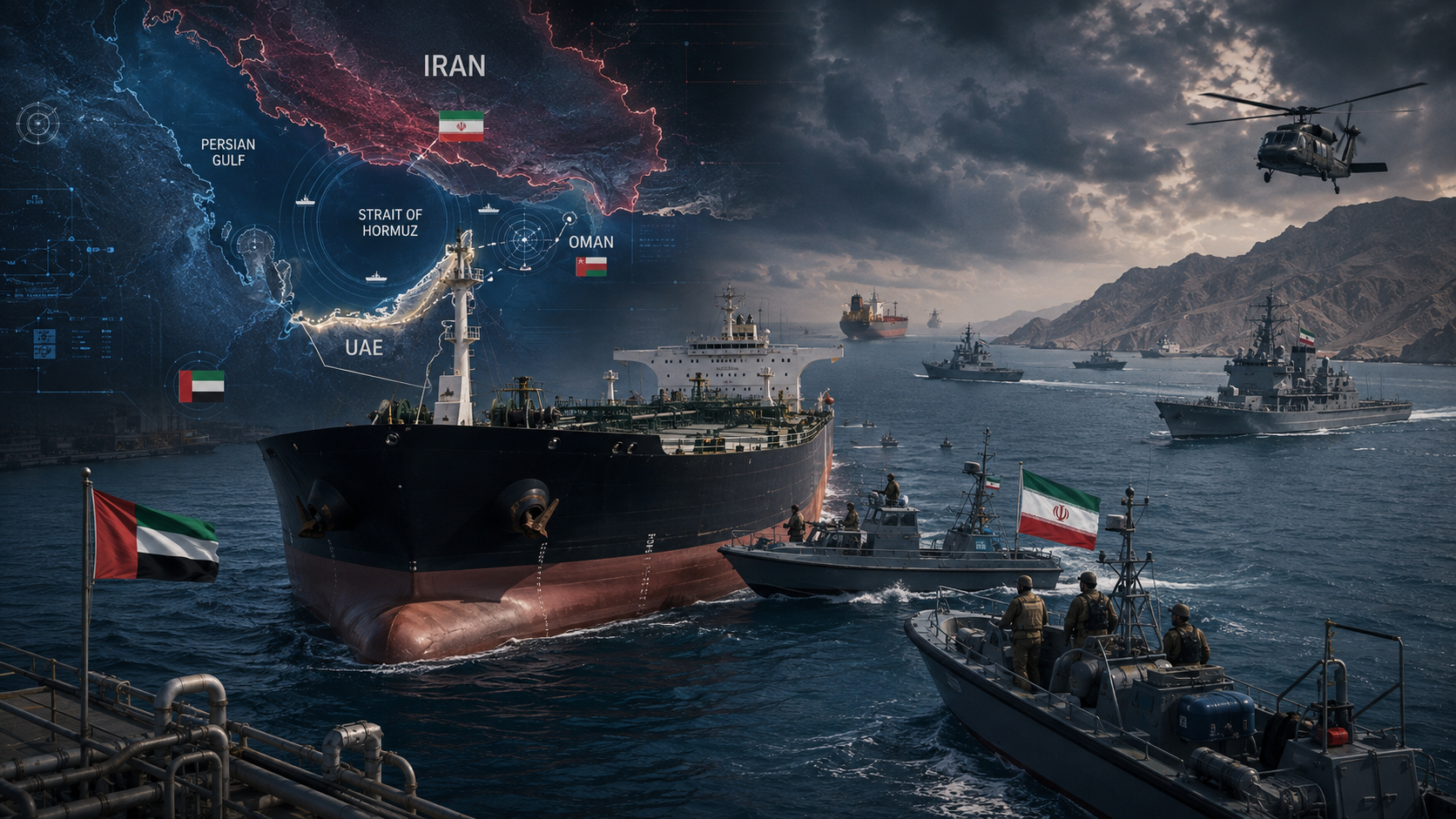
Any expansion of the conflict involving Britain or additional Western nations could disrupt shipping through key waterways such as the Strait of Hormuz—a route that carries a significant share of the world’s oil exports.
Energy markets have already experienced increased volatility as traders assess the risk of further military escalation.
Several governments continue urging all parties to avoid actions that could trigger a broader regional war.
Diplomatic channels remain active, but analysts warn that public threats, military deployments, and retaliatory statements make negotiations increasingly difficult.
For now, Britain’s government has not indicated any change in its regional posture, while Iran continues to insist it will respond to any country it believes supports attacks against its territory.
The IRGC’s warning to the United Kingdom represents another serious escalation in an already volatile crisis. While no immediate military action has followed the statement, the exchange highlights how rapidly the conflict could widen if diplomatic efforts fail.
With global powers closely involved and regional tensions at their highest level in years, every new development will be watched carefully by governments, investors, and millions of people concerned about the possibility of a broader Middle East conflict.