
 11
11
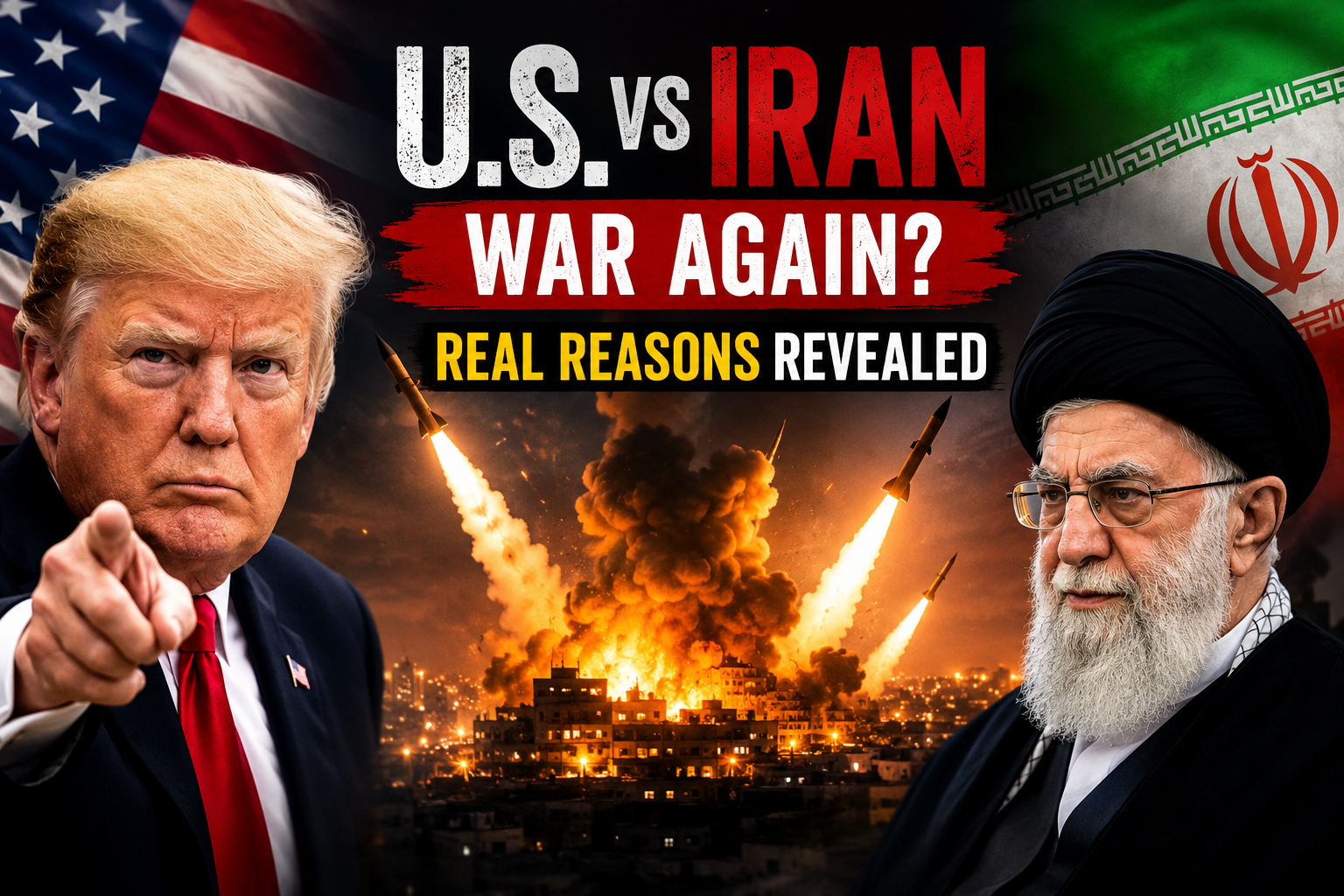
What changed behind the scenes? Why are officials suddenly paying closer attention? And could this be the beginning of a much larger geopolitical shift?
The Middle East rarely stays quiet for long. Every new military deployment, diplomatic statement, or strategic exercise has the potential to reshape regional security. That is exactly why Iran’s latest move has captured Washington’s attention.
At first glance, the development may appear routine. However, analysts believe the timing tells a very different story. When military activity increases during an already tense period, governments begin asking difficult questions.
Is Iran simply sending a political message?
Or is it preparing for something bigger?
No one can answer those questions with certainty. That uncertainty is precisely what has intelligence agencies watching every development in real time.
The United States constantly monitors military movements across the Middle East.
Every radar activation, naval deployment, missile exercise, and diplomatic announcement is carefully analyzed. Most events turn out to be routine. Some do not.
This time, officials believe Iran’s latest actions deserve closer examination because they come during a period of elevated regional tension.
Several intelligence experts note that timing often matters as much as capability.
A military exercise conducted during calm conditions sends one message.
The same exercise during a geopolitical crisis can send an entirely different one.
The Middle East is experiencing one of its most unpredictable periods in years.
Conflicts continue in several areas.
Proxy groups remain active.
International negotiations have stalled.
Meanwhile, global powers continue strengthening alliances across the region.
Against this backdrop, even relatively small developments attract enormous international attention.
That does not automatically mean conflict is imminent.
It does mean governments are preparing for every possible scenario.
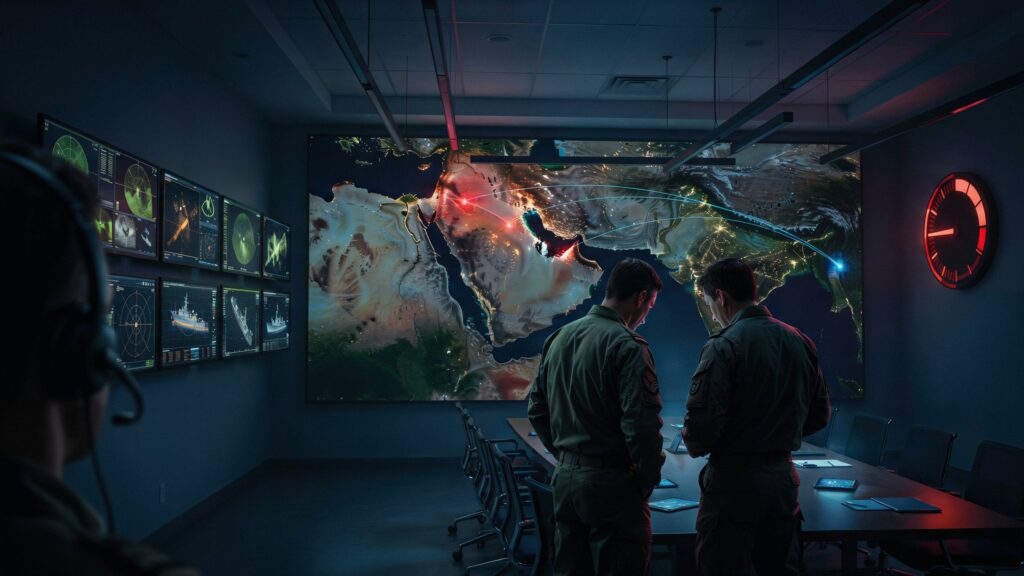
The announcement comes when regional tensions are already elevated.
Because of that, every action is viewed through a much more serious lens.
Countries often use military movements as political communication.
Sometimes the goal is deterrence.
Sometimes it is reassurance for allies.
Sometimes it is simply intended to demonstrate capability without escalating into direct conflict.
Understanding which message Iran intends to send remains difficult.
Perhaps the biggest clue is not Iran’s action itself.
It is how other governments respond.
Washington has increased monitoring.
Regional allies are reviewing security conditions.
Diplomatic channels remain active behind closed doors.
Those reactions suggest officials are taking the situation seriously while avoiding unnecessary escalation.
Rather than focusing on headlines alone, intelligence agencies examine patterns.
They monitor:
One isolated event rarely changes global policy. A series of connected developments often does.
That is why analysts continue tracking every update.
That remains one of the biggest unanswered questions.
Washington has several options available.
It could increase surveillance.
It could strengthen regional partnerships.
It could expand diplomatic engagement.
Or it could decide the situation requires no immediate change.
Until officials release more information, every possibility remains on the table.
For ordinary people, the biggest concern is stability.
Businesses watch oil markets.
Investors monitor global energy prices.
Airlines review flight routes.
Governments assess security risks.
Even without direct military confrontation, uncertainty alone can affect global markets.
That explains why international observers continue following developments so closely.
Iran and the United States have experienced decades of political and military tension.
Every new development is therefore viewed within a much larger historical context.
A single move rarely tells the whole story. Instead, analysts focus on patterns that develop over weeks and months.
Understanding those patterns often provides a clearer picture than reacting to one headline.
Not necessarily.
Military experts consistently caution against jumping to conclusions.
History shows that periods of heightened tension often end through diplomacy rather than direct confrontation.
At the same time, governments cannot afford to ignore warning signs.
Preparedness does not always indicate that conflict is about to occur. It often reflects responsible planning during uncertain times.
Iran’s latest move has undoubtedly drawn Washington’s attention, but many questions remain unanswered.
Was it a strategic signal?
A defensive measure?
A diplomatic message backed by military visibility?
Or simply a routine action taking place during an unusually sensitive moment?
Until more verified information becomes available, speculation should be treated with caution. What is certain, however, is that policymakers, intelligence agencies, and global markets will continue watching every new development closely.
The coming days may provide greater clarity—or raise even more questions.
One thing is clear: in today’s geopolitical landscape, even a single move can become the center of global attention.