
 11
11
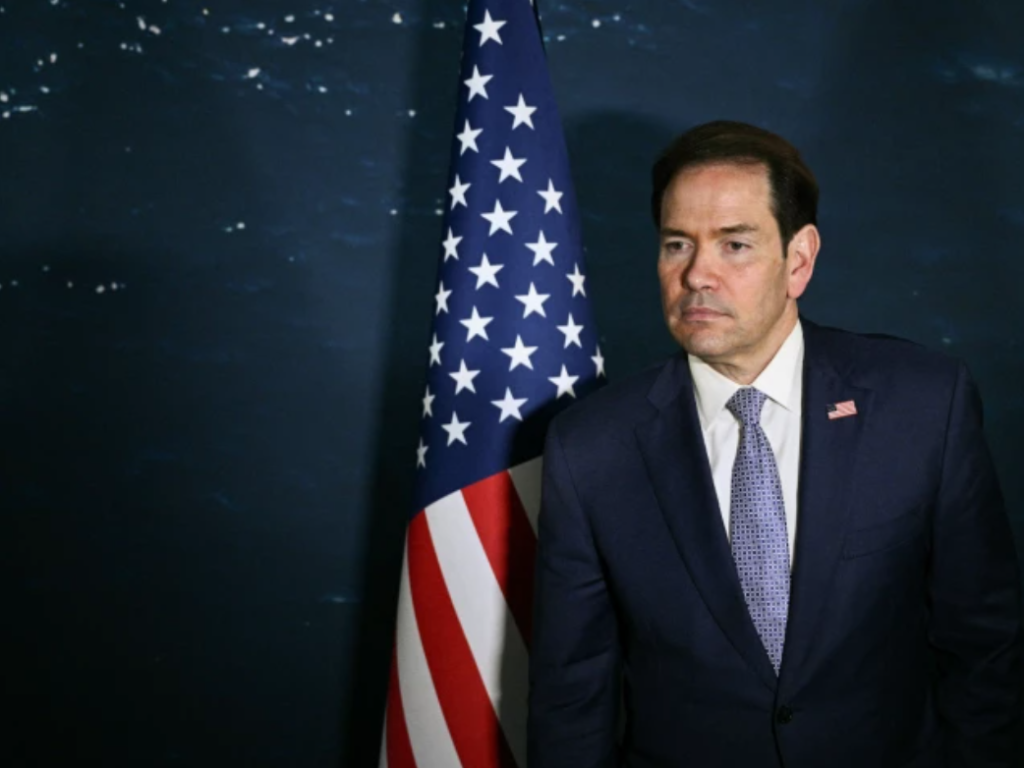
The United States has reaffirmed its willingness to negotiate with Iran, even as tensions across the Middle East continue to rise. Speaking during a regional diplomatic meeting in Manila, US Secretary of State Marco Rubio said Washington remains open to a peaceful solution, but questioned whether Tehran is genuinely committed to meaningful negotiations.
Rubio stressed that the United States prefers diplomacy over prolonged conflict, yet warned that successful negotiations require cooperation from both sides. According to him, recent actions by Iran have raised doubts about its readiness to engage in serious talks.
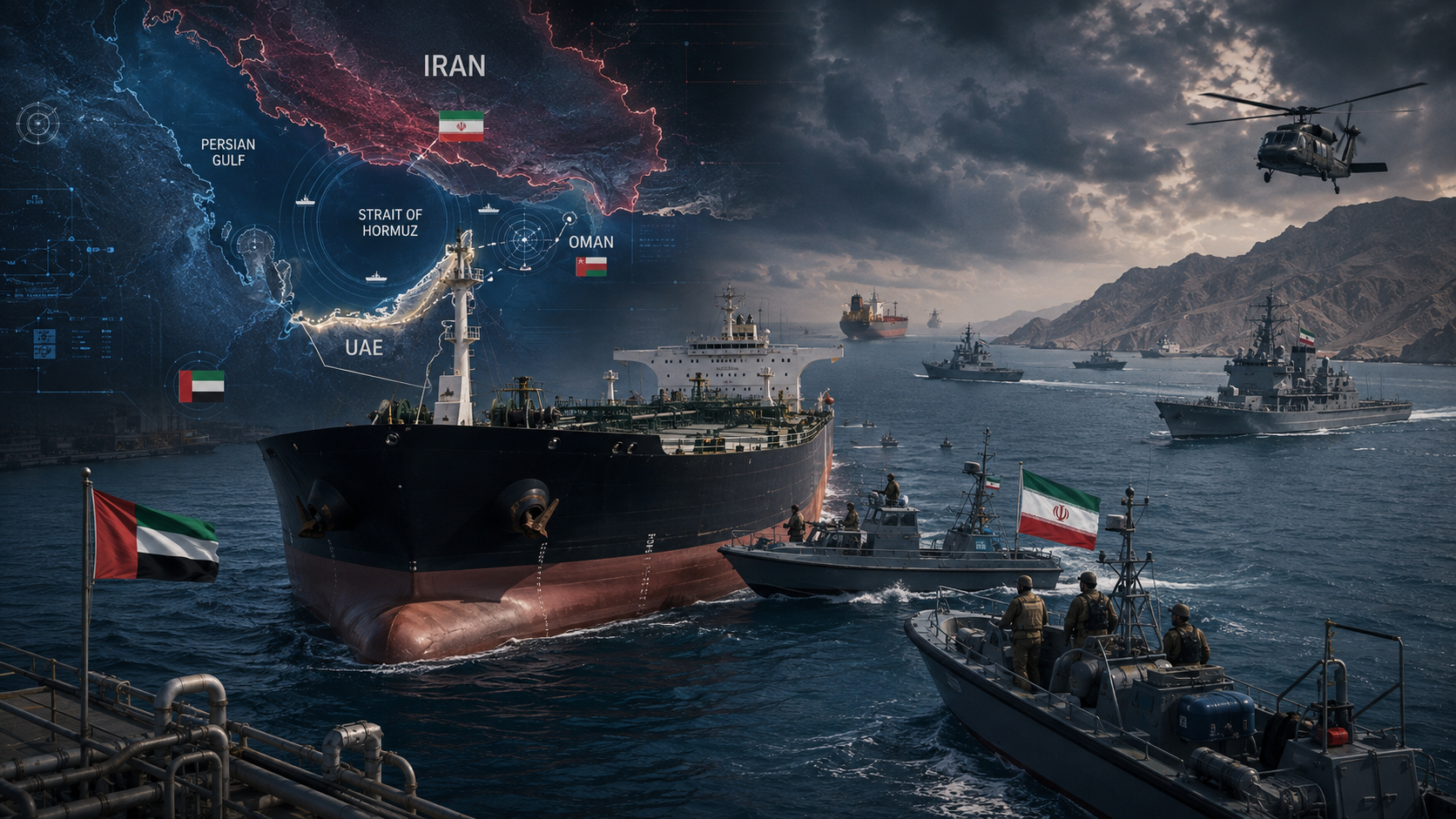
The diplomatic remarks come at a time when the Middle East is facing heightened security concerns. Threats to major shipping routes, including the Red Sea and the Strait of Hormuz, have increased fears of disruptions to global energy supplies.
Several commercial vessels have already altered their routes due to security risks, while energy markets remain on alert over the possibility of further escalation. These developments have contributed to growing uncertainty in global oil markets.
Despite the ongoing crisis, Rubio emphasized that the door to diplomacy has not been closed. However, he argued that negotiations can only succeed if Iran demonstrates a genuine willingness to engage constructively.
He also warned that any attempt to threaten international shipping lanes could have serious consequences for global trade and economic stability.
Diplomatic efforts are expected to continue through regional and international partners, but the situation remains highly uncertain. Analysts believe the coming days could determine whether the crisis moves toward renewed negotiations or further military escalation.
For now, the United States says it is prepared to continue talks—but insists that Iran must also take meaningful steps toward diplomacy.